Accessibility in the Landscape: 5 Tips for Everyone to Feel Welcome
It’s that time of year when landscape professionals are busy chatting with homeowners, designing projects and getting outside. As we start building beautiful outdoor spaces, we need to have access for all on our minds. Creating accessible spaces is crucial to building long-lasting projects that will be used for generations — regardless of our clients’ physical mobility or needs. The key to accessibility is not only building spaces everyone can access but also ensuring everyone feels welcomed and valued within those spaces. This starts with you and the initial conversations you have with your clients. From my perspective as a physiotherapist, here are five tips for creating beautiful, accessible outdoor spaces:
1. Accessibility from the get-go
Thinking and talking about accessibility from the very beginning of the project shows your clients you are truly invested in making it work for them and their specific needs. It will also save you headaches! When you think about accessibility early and throughout the design process, your project will run more efficiently, be more cost effective, and look more cohesive. The goal is for everyone to be excited and feel included.
2. Be client centred
Each and every project should be client centred. Those initial design conversations are essential to ensuring the outdoor oasis you are building meets their specific needs. Talk to the homeowners about what they need from the project. Who will access it? What physical constraints might they have? How do they want to experience the space? Ask your clients to define the ideal use and purpose of their outdoor space. Ensuring it meets the life stages of your client and their loved ones will set you on a path to creating an accessible, beautiful and functional space.
3. Choose materials wisely
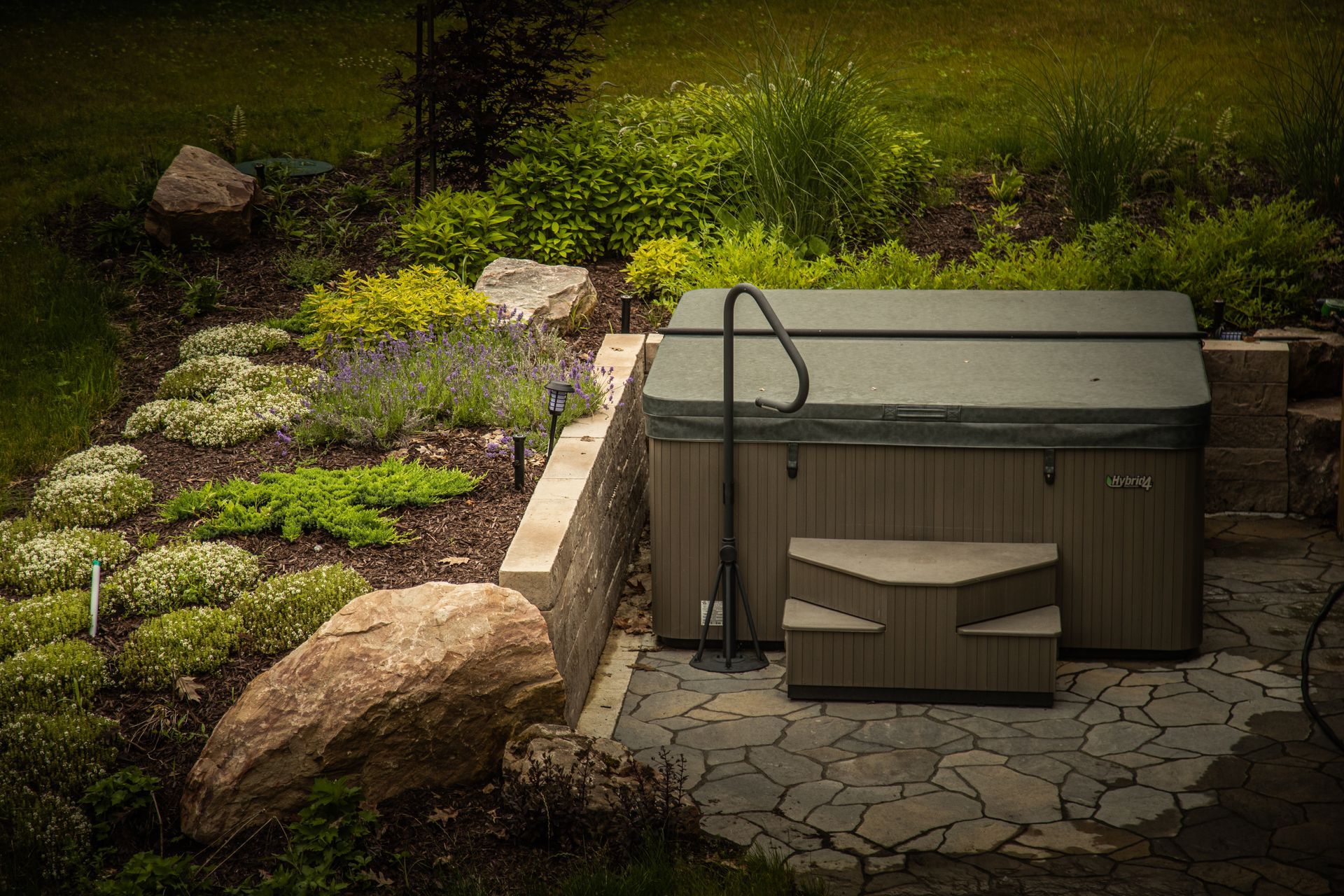
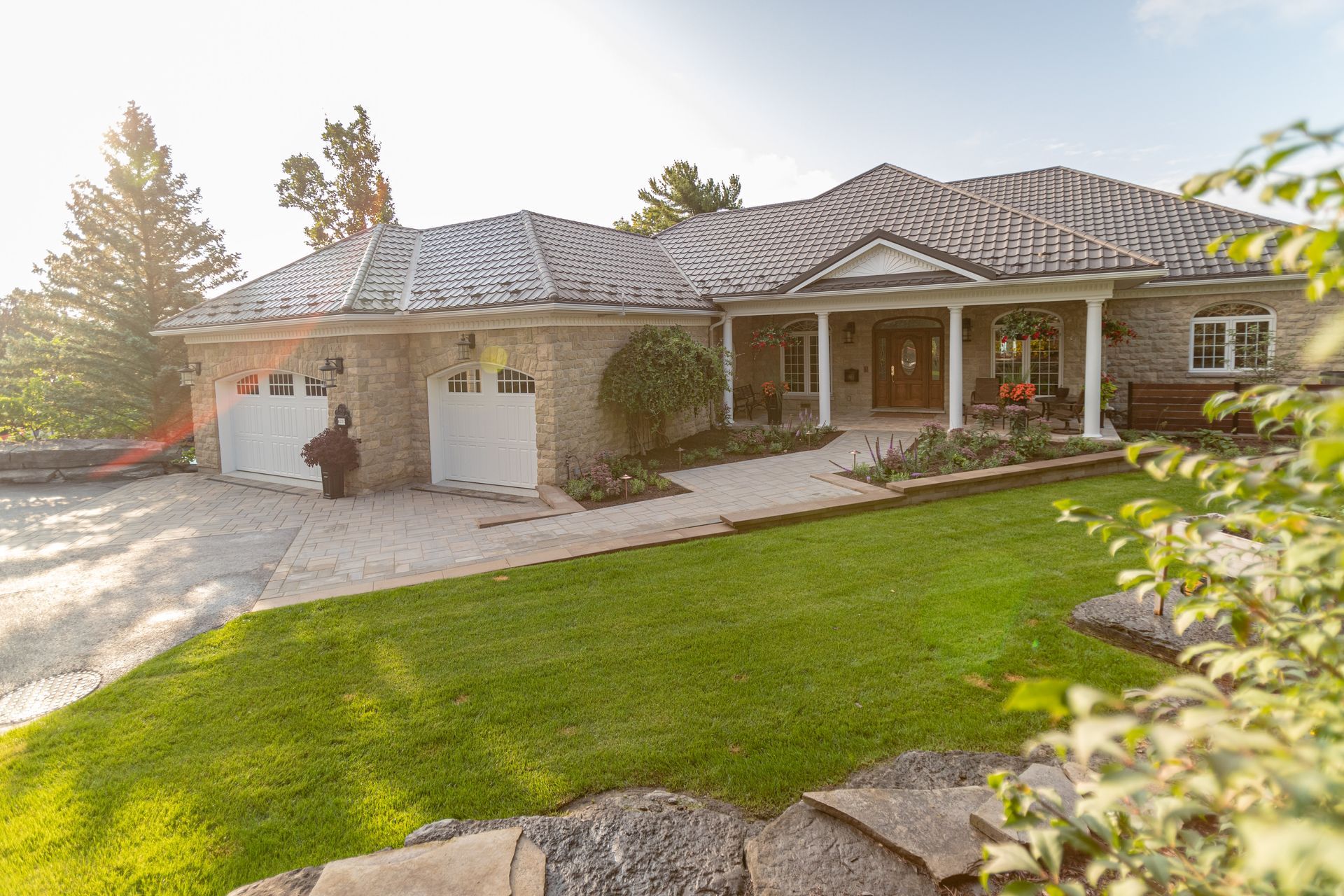
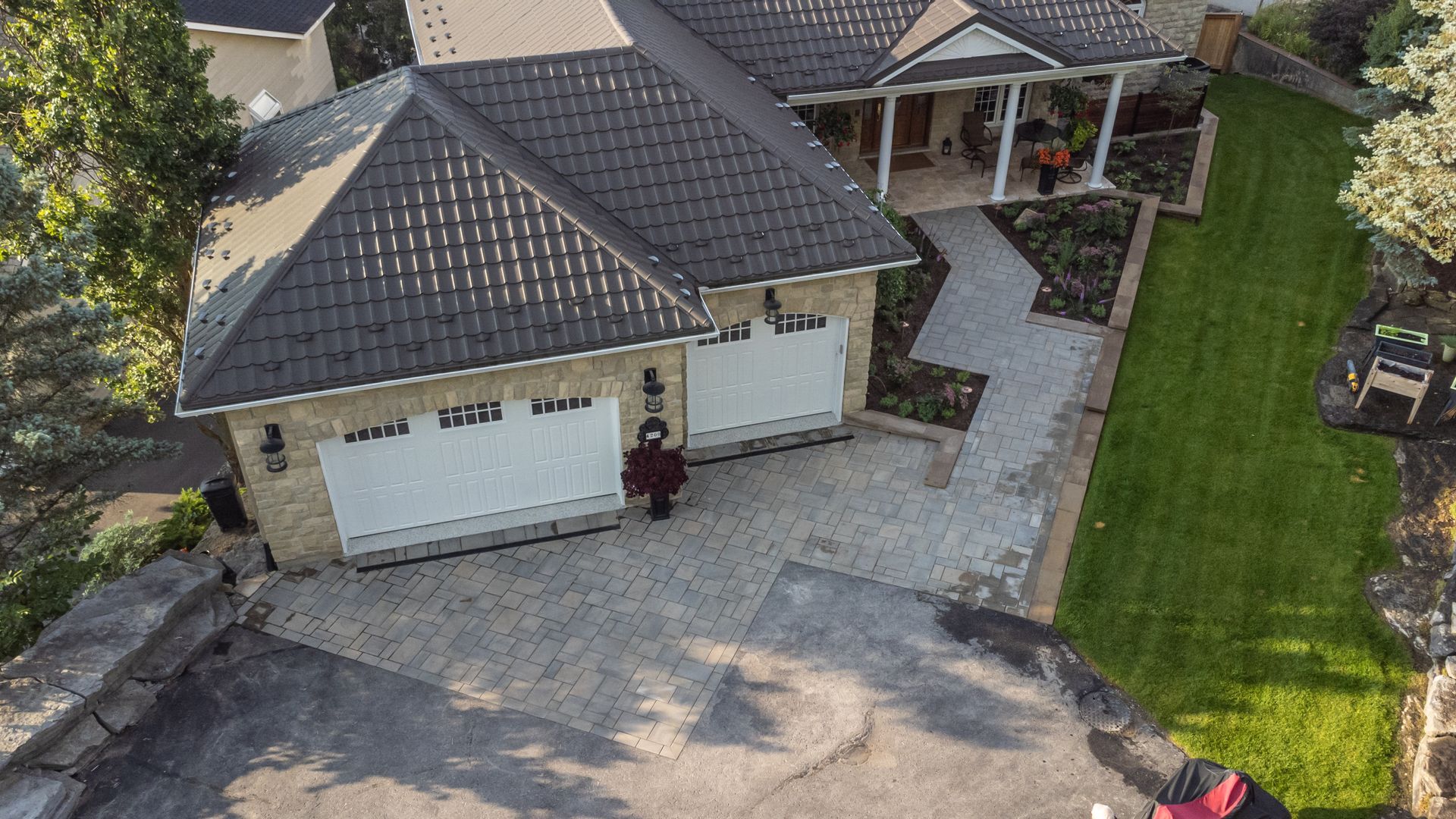
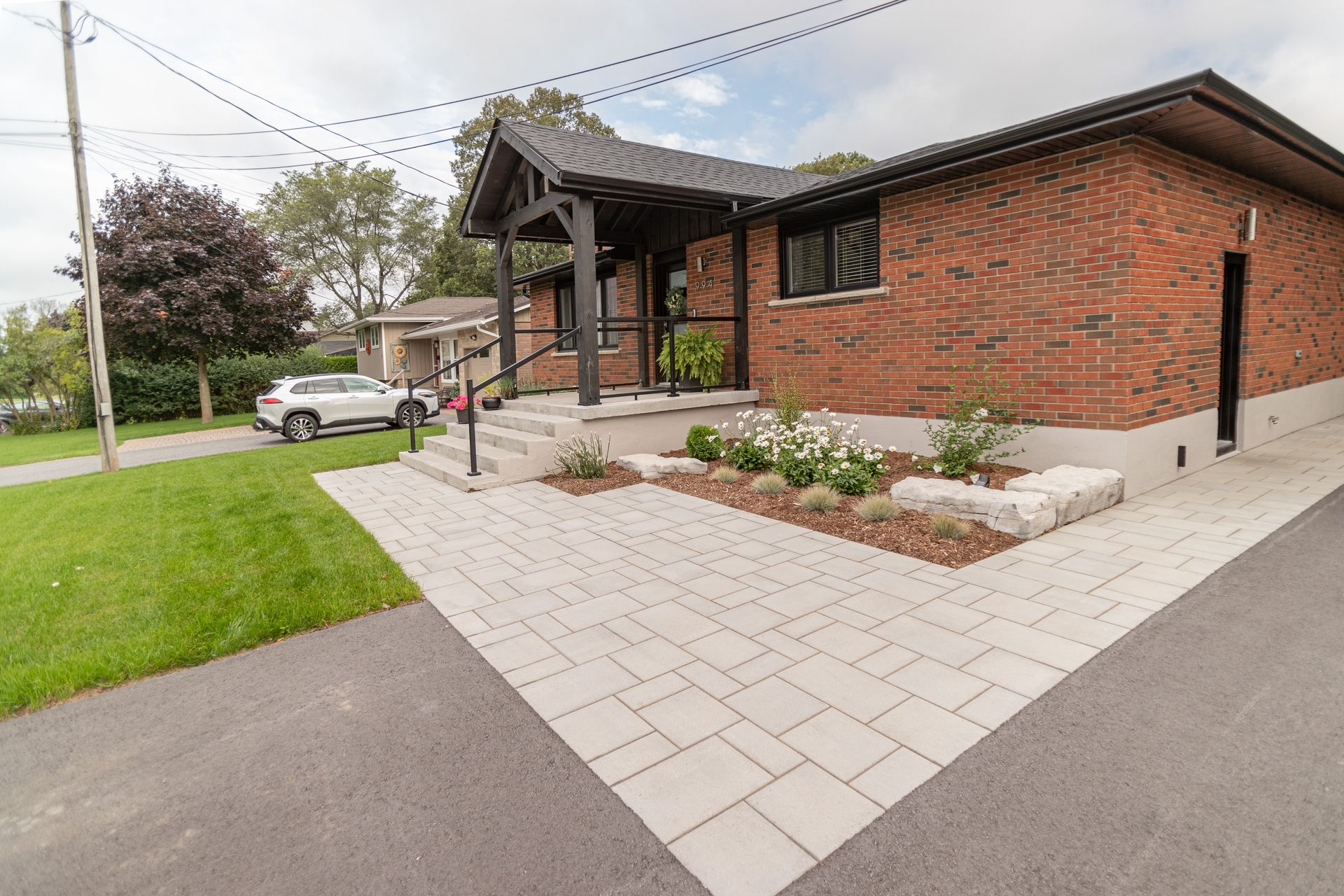
Make smart choices when choosing materials. Able-bodied individuals may give little thought to walking on mulch pathways or flagstone patios. These are actually extremely challenging materials for individuals who use mobility devices, have balance concerns or are learning (or relearning) to walk due to an injury, ailment or surgery. Interlock, for example, makes a more cohesive and smooth surface to support those with mobility challenges. Think critically about what materials you are choosing to address function as well as form.
4. Think BIG
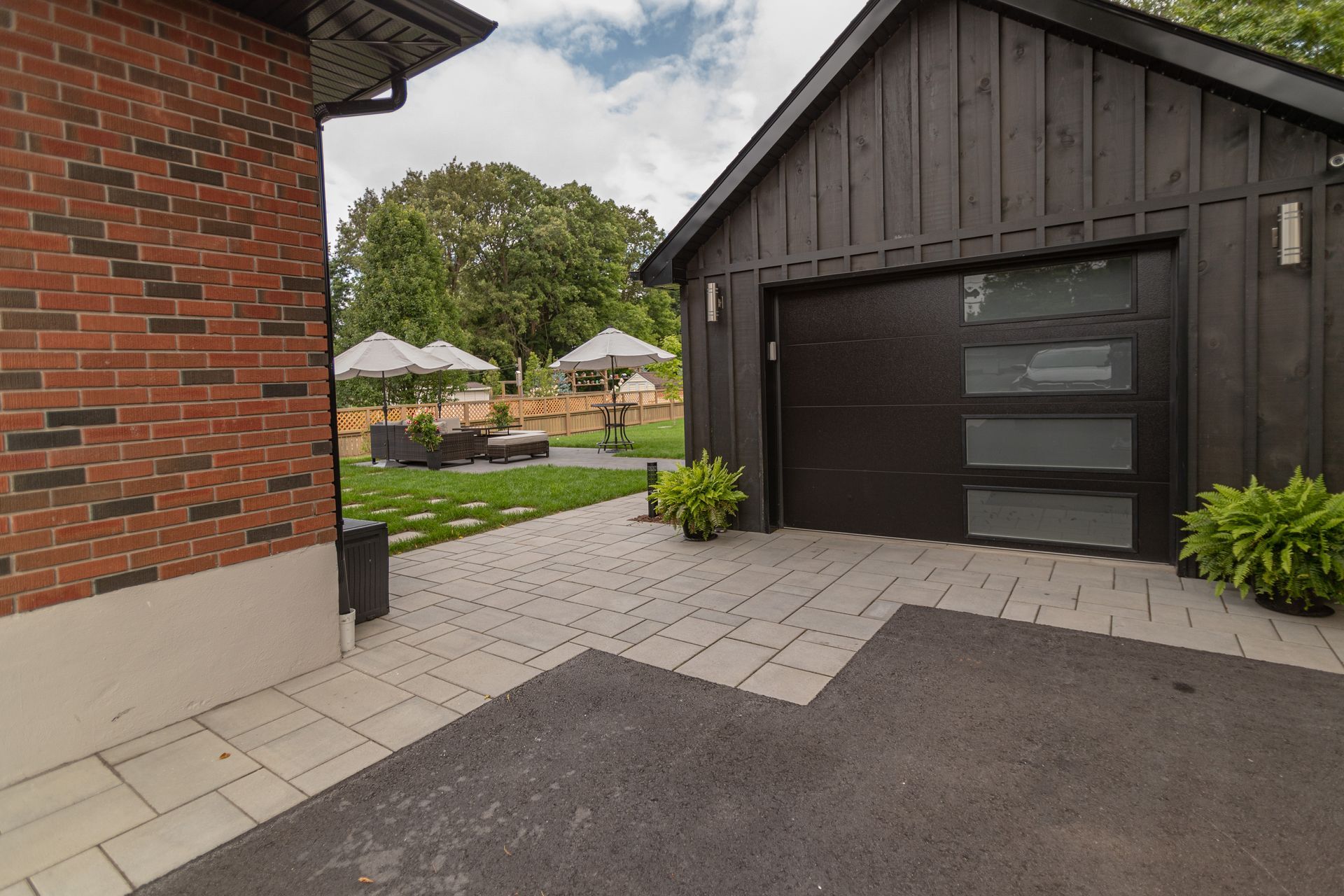
The more space we can add to pathways, driveways and patios, the greater the access and the more welcoming the space will be. A larger pathway is more accommodating for mobility devices (canes, crutches, walkers or wheelchairs) and for caregivers to support individuals. The larger the driveway is, the easier it is to unload mobility devices or utilize a wheelchair-accessible vehicle. A spacious patio allows more room to navigate around furniture with mobility devices.
5. Consider the sense
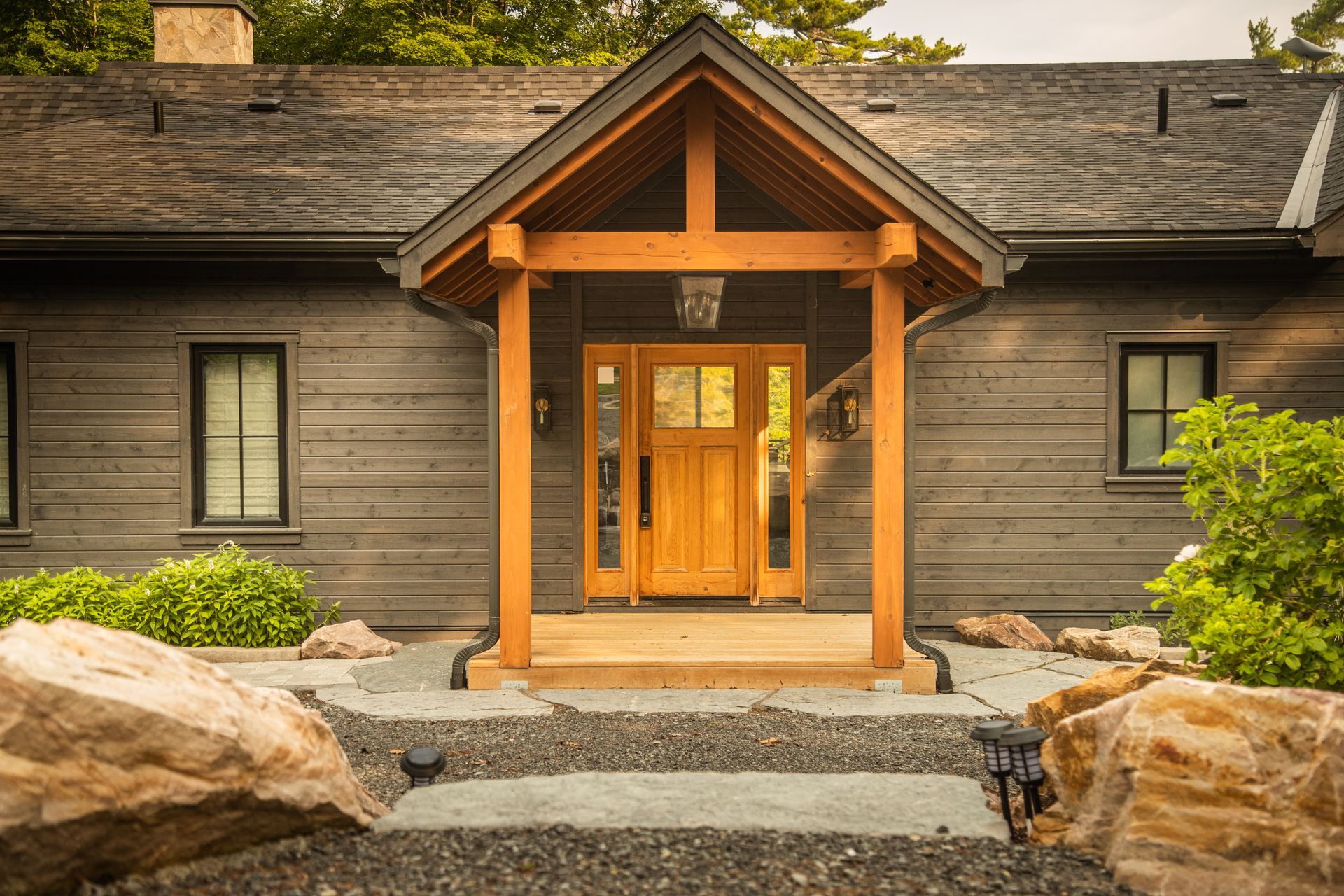
When we think about accessible landscapes, we often just think about the physical space, such as stairs, pathways and grade, but often overlook sensory needs. Individuals with neurological conditions, who are dependent on others for mobility, or even very young children, are people who might be challenged with heat regulation. Ensure everyone can enjoy the outdoors by planting or building an overhead structure to create ample shade.