The Retaining Wall That Looked Fine Until One Spring Storm
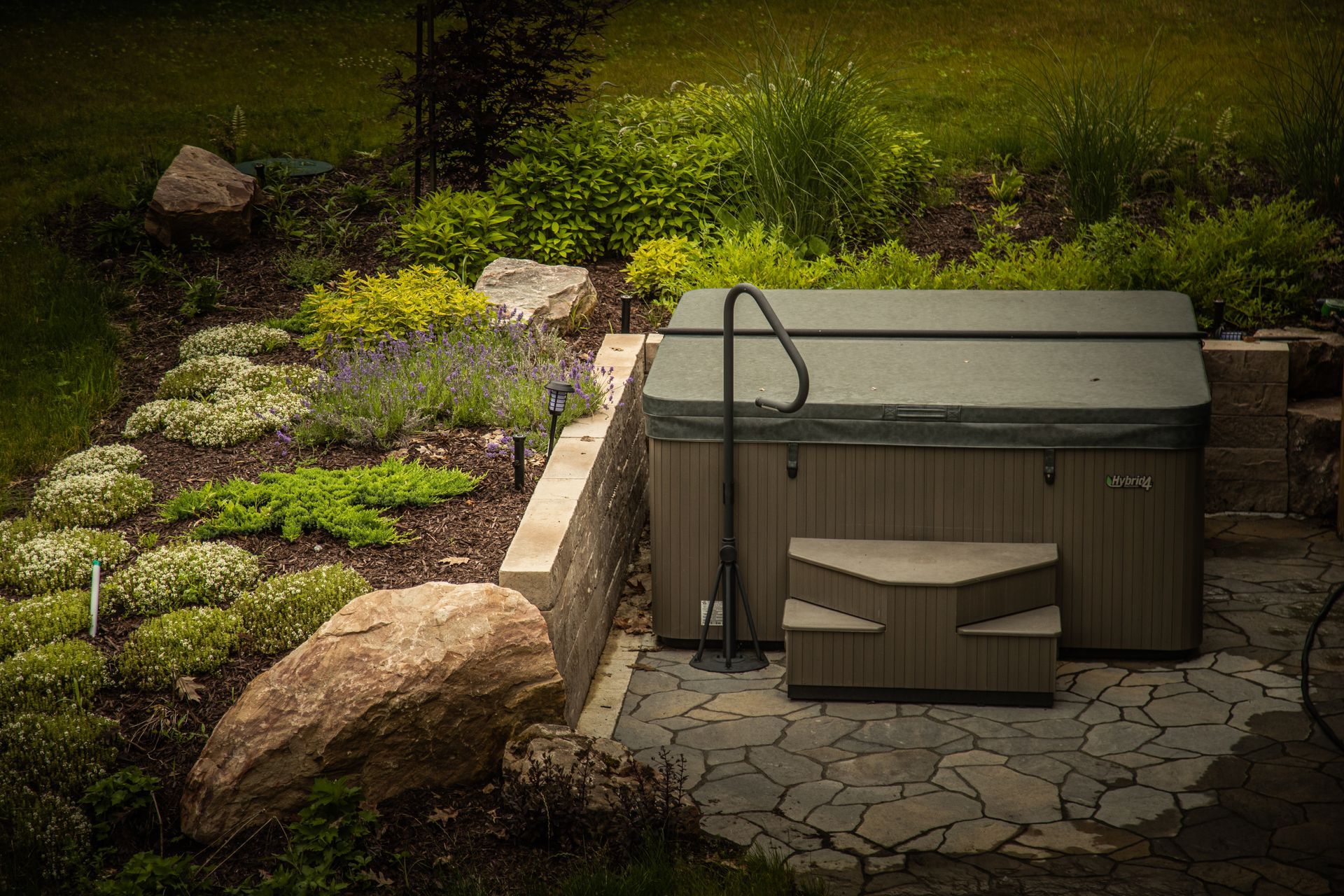
A retaining wall can look perfectly fine at first glance. The blocks may still be in place, the garden bed above it may still look tidy, and there may be no obvious collapse or major cracking.
Then one heavy spring storm rolls through, and suddenly the wall looks different.
A small lean becomes noticeable. A gap opens between blocks. Soil appears at the base. Water stains show up on the face of the wall. What seemed like a minor landscape feature now looks like something that needs attention.
The reality is that many retaining wall problems begin long before the first obvious warning sign. A wall can be under pressure for months or even years before spring rain exposes the issue.
A Wall Can Look Stable While Pressure Builds Behind It
Retaining walls are designed to hold back soil, manage grade changes, and create usable space on sloped properties. When they are built properly, they do more than sit in place. They manage weight, moisture, movement, and pressure behind the wall.
A wall that looks stable from the front may still be dealing with hidden stress behind the scenes. Soil expands when it becomes saturated. Water adds weight. Poor drainage allows moisture to collect where it should be moving away. Over time, that pressure pushes forward against the wall.
This is why proper retaining wall design matters. A retaining wall is not only a visual feature. It is a structure built to hold back geotechnical materials and deal with hydrostatic pressure.
For homeowners, the challenge is that pressure is not always visible right away. The face of the wall may still look clean and orderly while the soil behind it is becoming heavier, wetter, and less stable.
Why Spring Storms Reveal Hidden Issues
Spring is often when retaining wall problems become easier to spot. The ground is already holding extra moisture from snowmelt, freeze thaw cycles have disturbed the soil, and heavy rain can add more water in a short period of time.
When a wall has proper drainage, water has a controlled path to move away. When drainage is missing, blocked, undersized, or poorly installed, water collects behind the wall and increases pressure.
That pressure can show up as:
- A wall beginning to lean outward
- Blocks separating or shifting
- Bulging along the middle of the wall
- Soil washing out at the base
- Cracks forming in mortar, concrete, or nearby hardscape
- Water staining or damp areas along the wall face
- Soft or sinking ground above or below the wall
A single storm usually does not cause the entire problem on its own. More often, it reveals a weakness that was already developing.
The Drainage Behind the Wall Matters Most
When homeowners look at a retaining wall, they usually focus on the visible materials. Stone, block, timber, and concrete all matter, but the hidden drainage system behind the wall is often what determines long term performance.
A wall needs more than strength at the front. It needs a proper base, suitable backfill, and a way for water to escape. Without that, even a well built looking wall can start to move.
The same principle applies across many parts of a property. Positive lot drainage helps direct surface water away from buildings and reduces the risk of ponding, dampness, flooding, and property damage.
Around a retaining wall, poor water movement can come from several sources:
- Downspouts emptying near the wall
- Irrigation running too heavily in nearby garden beds
- Soil sloping toward the wall
- Compacted ground preventing absorption
- Blocked drainage stone or pipe
- A lack of proper granular backfill
- Heavy clay soil holding water behind the structure
This is where professional
retaining walls are different from a simple stack of landscape blocks. The finished wall is only one part of the system. What happens behind and below it is just as important.
Small Signs Are Easy to Dismiss
The early warning signs of retaining wall stress can look harmless. A slight gap may not feel urgent. A small lean may seem cosmetic. A little soil at the base may be brushed off after a storm.
The issue is that retaining walls rarely improve on their own. Once water begins finding the wrong path, it often keeps using that path. Once soil starts shifting, pressure continues to build in the weaker area. Once the wall begins moving, the structure has already started responding to forces behind it.
Homeowners should pay attention to changes like:
- One section looking different from the rest of the wall
- Blocks no longer lining up evenly
- Soil pulling away from the top edge
- Mulch or garden material washing over the wall
- New low spots near the base
- Water sitting behind or above the wall after rain
- A wall that looks worse each spring
These are not always signs of immediate failure, but they do suggest the wall should be assessed before the issue becomes larger.
The Ground Around the Wall Tells Part of the Story
A retaining wall does not fail in isolation. The surrounding landscape often gives clues about what is happening.
If the patio beside the wall is settling, if nearby garden beds are washing out, or if the lawn below the wall stays wet long after rain, the issue may be connected to grading and water movement across the property.
Proper lot grading is one of the most important ways to direct water away from homes and reduce drainage related problems. The same idea applies to landscape structures, where the slope and surface flow around a wall can affect how much pressure the wall has to manage.
This is why surface repairs do not always solve retaining wall problems. Replacing a few blocks or cleaning up the face of the wall may improve the appearance, but it does not correct saturated soil, poor grading, or failed drainage behind the structure.
When the surrounding ground is part of the problem, proper excavation may be needed to expose what is happening below the surface and rebuild the wall system correctly.
When a Retaining Wall Needs Immediate Attention
Not every retaining wall concern is an emergency, but some signs should not be ignored.
A wall should be looked at promptly if it is:
- Leaning noticeably outward
- Bulging in the centre
- Cracking across multiple sections
- Holding back a steep slope
- Supporting a driveway, patio, walkway, or structure
- Showing washout at the base
- Moving more after each rainfall
- Causing water or soil to collect near the foundation of the home
The more load a wall is holding back, the more important it is to address movement early. A short decorative garden wall carries a very different level of risk than a taller wall supporting a major grade change.
Why Quick Fixes Can Cost More Later
It can be tempting to patch the most visible issue and move on. For example, a homeowner may replace a few shifted blocks, add more soil behind the wall, or try to redirect water with a small surface trench.
Those fixes may help in very minor cases, but they can also hide the real issue. Adding more soil behind a stressed wall can increase pressure. Redirecting water without understanding the full grade can move the problem somewhere else. Repairing the face of the wall without improving drainage may only delay the same movement.
A better approach starts with understanding the cause:
- Is water collecting behind the wall?
- Is the base still stable?
- Has the wall been overloaded?
- Is the surrounding grade pushing water toward the wall?
- Are nearby patios, beds, or walkways also moving?
- Is the issue isolated or spreading?
Answering those questions helps determine if the wall needs a targeted repair, drainage improvement, partial rebuild, or full reconstruction.
Building for the Next Storm, Not Just the Last One
A retaining wall should not only look good on installation day. It should be built to handle the seasons that follow.
Long term performance depends on:
- Proper base preparation
- Adequate drainage behind the wall
- Suitable backfill material
- Correct wall height and structure
- Thoughtful grading around the area
- Managing water from downspouts, irrigation, and slopes
- Choosing materials suited to the site conditions
A strong wall is part of a larger landscape system. It connects to the way water moves, the way soil settles, and the way outdoor features are used over time.
This is where experienced
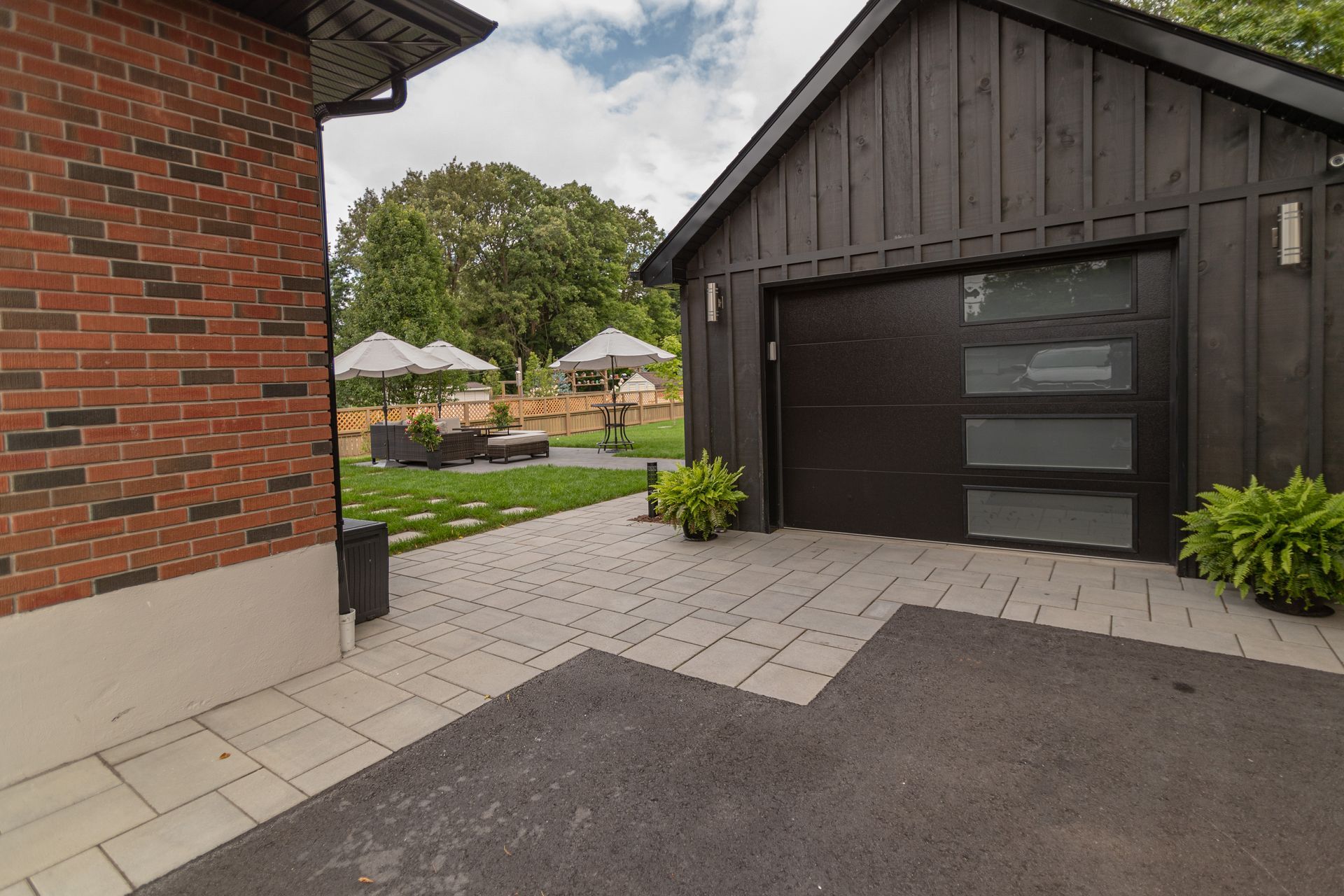
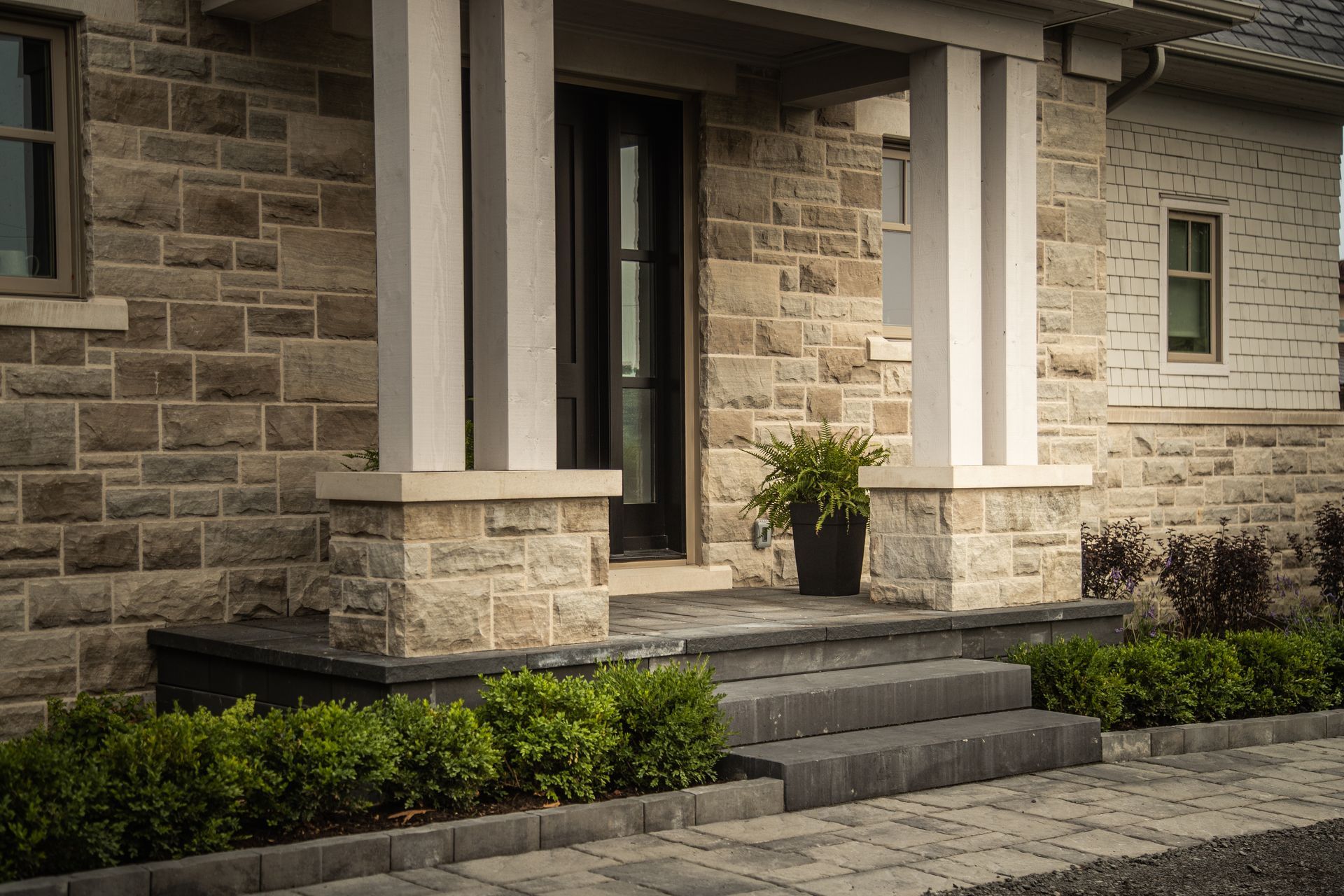
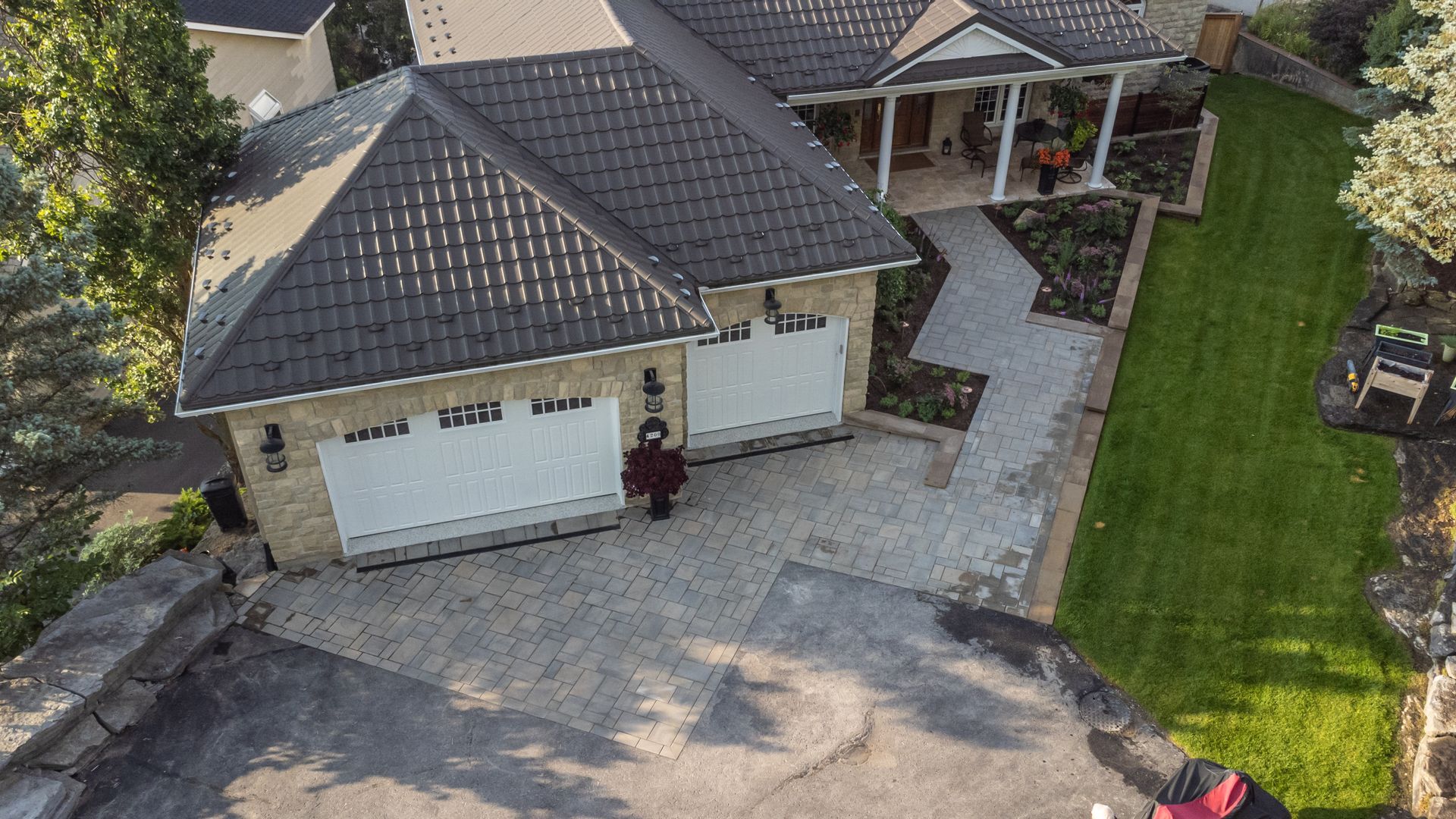
hardscaping makes a difference. Patios, walls, steps, edging, and stonework all need to work together so one feature does not create pressure or drainage problems for another.
A Wall That Looks Fine Still Deserves a Closer Look
The best time to look at a retaining wall is before it becomes an obvious problem.
After a heavy spring storm, walk the area and look closely at both the wall and the ground around it. Check the top, base, nearby garden beds, drainage paths, and any hardscape connected to the area. Small changes can tell you a lot about how the wall is performing.
A retaining wall that looks fine today may still be under pressure. Catching the early signs gives homeowners more options, helps avoid unnecessary damage, and protects the long term stability of the landscape.