This Small Landscaping Project Made a Bigger Impact Than a Full Backyard Reno
Not every landscaping project needs to be a full backyard transformation to make a meaningful difference. In many cases, smaller, well-planned upgrades deliver more noticeable improvements in how a space looks, functions, and holds up over time.
Homeowners often assume that impact comes from scale. In reality, it comes from choosing the right improvement and executing it properly.
Why Smaller Projects Often Deliver Better Results
Large renovations can be impressive, but they also come with higher costs, longer timelines, and more moving parts. Smaller projects, when done strategically, can solve specific problems while improving the overall feel of a property.
These projects tend to:
- Address one clear issue instead of trying to solve everything at once
- Be completed faster with less disruption
- Offer a more controlled budget
- Deliver immediate, visible improvements
A well-executed upgrade in the right location can completely change how a space is used.
The Project: Fixing One Problem That Changed Everything
In this case, the homeowner wasn’t looking for a full redesign. Their main concern was a section of their yard that had become difficult to use. Water would collect after rainfall, the ground felt uneven underfoot, and the space had gradually become something they avoided.
Instead of rebuilding the entire yard, the focus was placed on a targeted solution.
The project included:
- Regrading the problem area to correct slope
- Installing proper drainage to move water away from the space
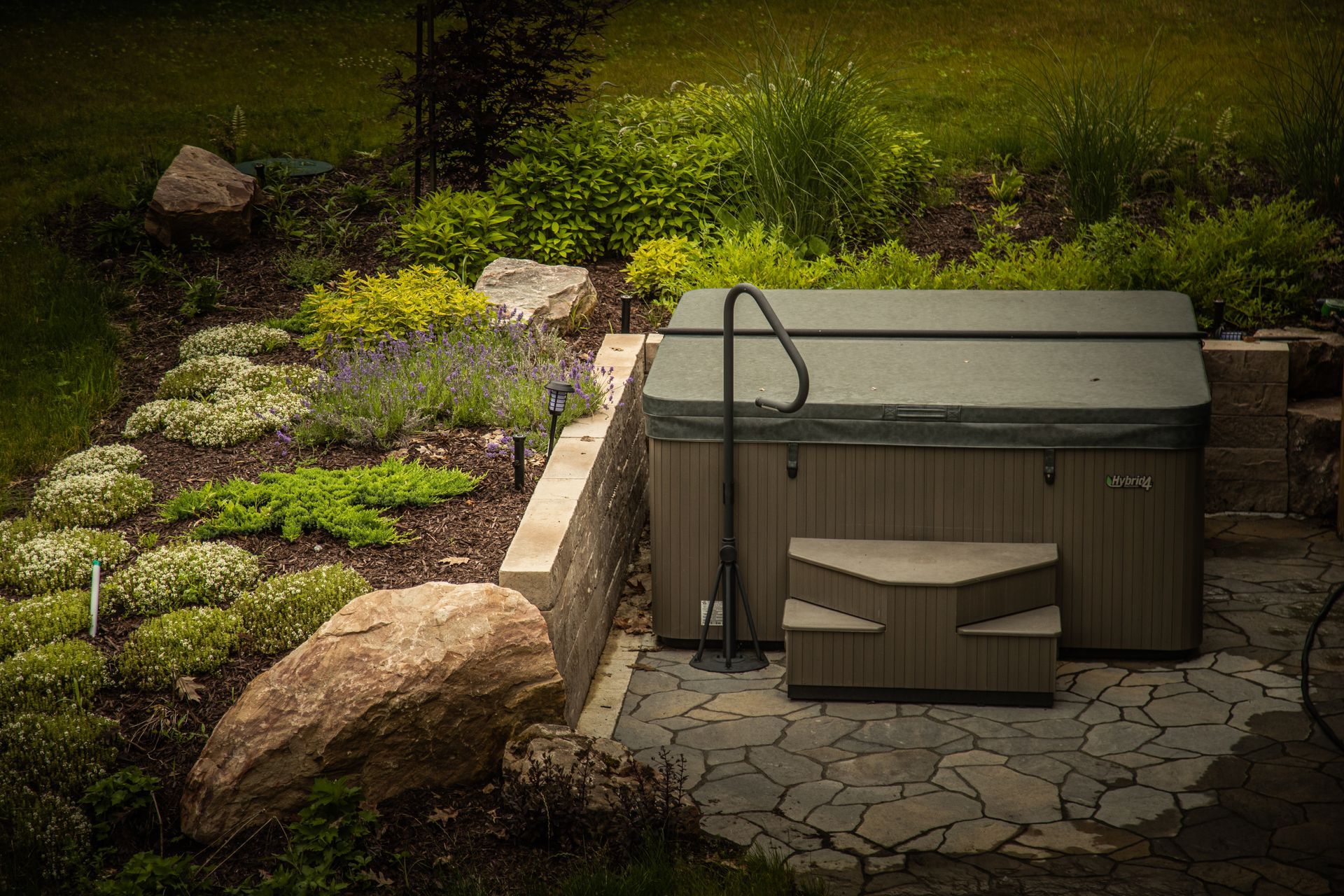
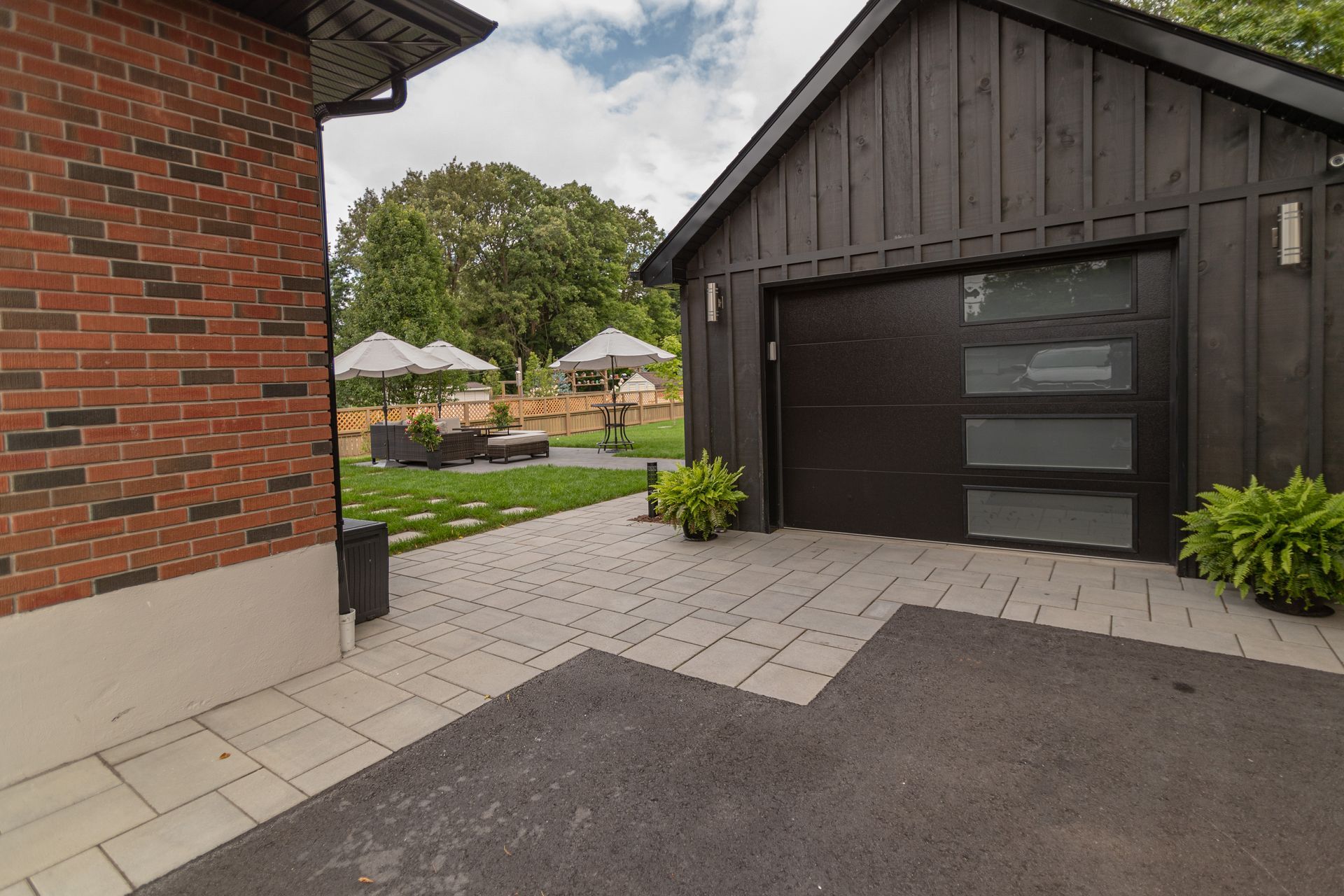
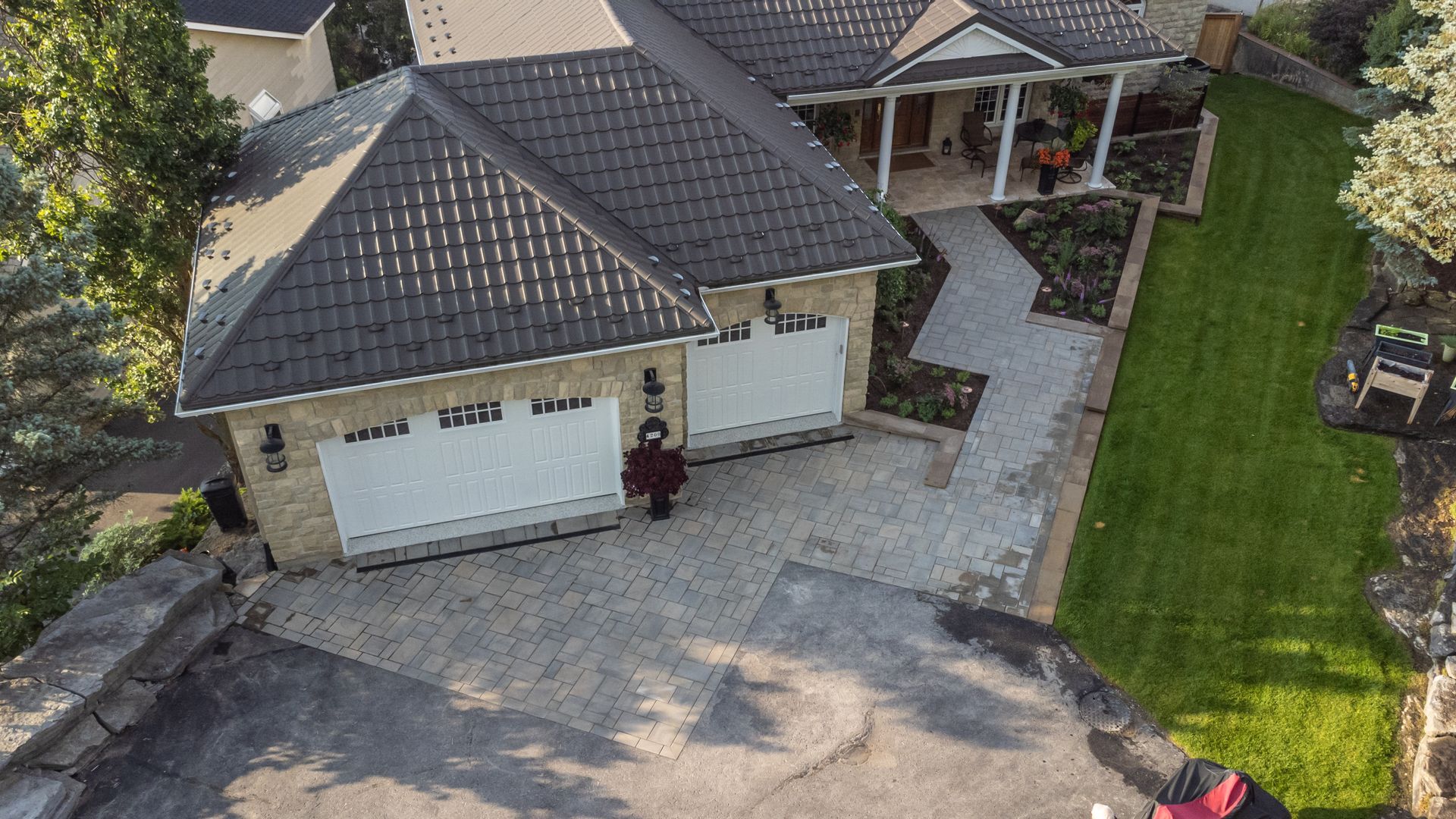
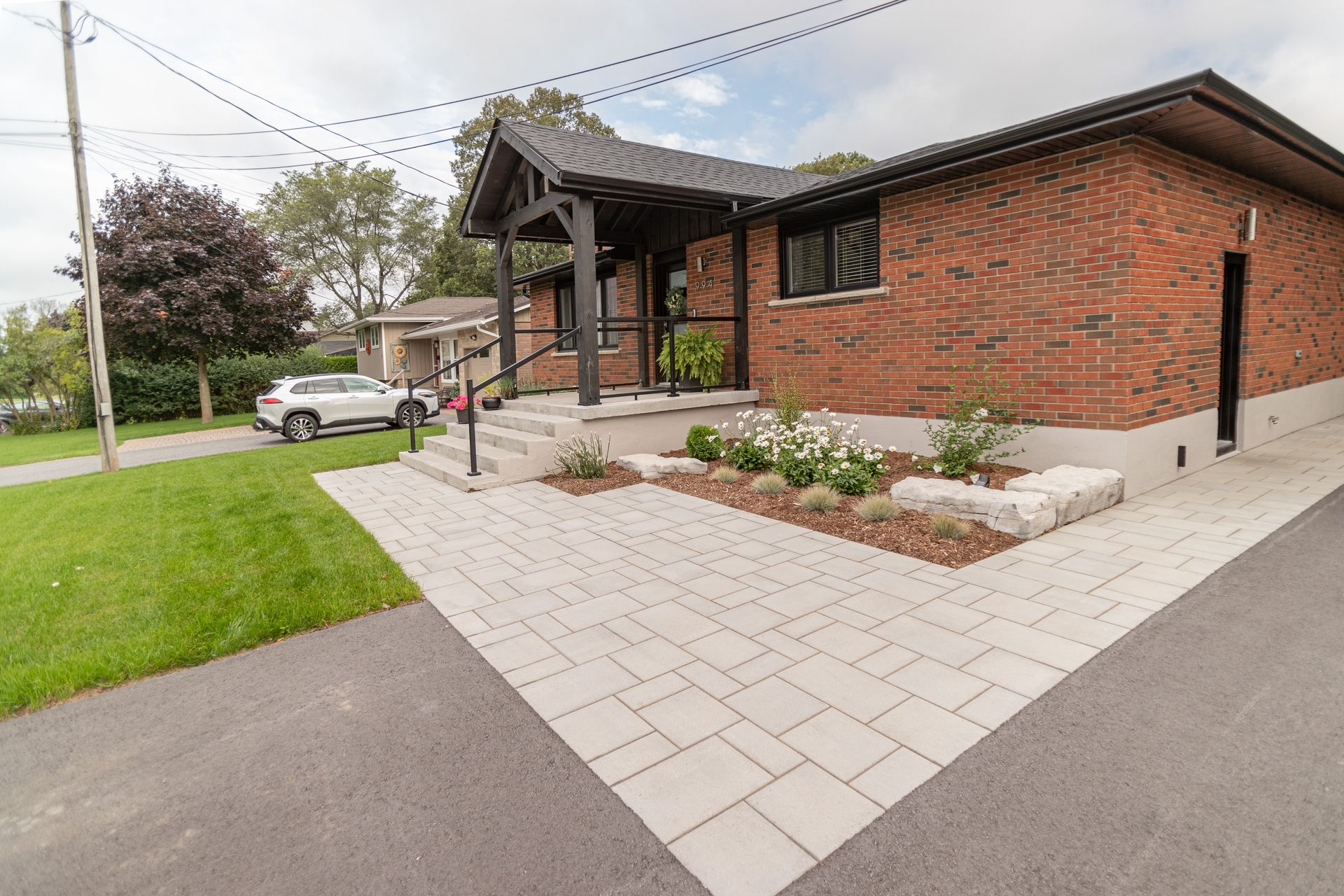
- Adding a small, well-built patio to create a usable surface
This type of focused work often ties directly into proper drainage and grading, which plays a major role in how a landscape performs over time.
In Canada, saturated soils can weaken structure and reduce stability, as excess moisture limits how well soil holds together and supports surfaces. Over time, this can contribute to
shifting ground, settling, and surface failure.
What Made the Difference
The transformation wasn’t about size. It came down to solving the root problem instead of covering it up.
Three factors made the biggest impact:
Correcting the Base
Uneven ground and soft spots usually point to underlying issues. Addressing the base ensured the new surface would remain stable over time and not continue to shift with seasonal changes.
Managing Water Properly
Water was the original cause of the problem. Redirecting it prevented future damage and made the space usable again, even after heavy rainfall.
Proper water management is a core part of any successful landscape build, which is why it is often addressed alongside drainage and grading.
Building With the Right Materials
Choosing durable materials helped ensure the upgrade would hold up through regular use and changing weather conditions. This is a key part of any hardscaping project, where long-term performance matters just as much as appearance.
Guidelines from Landscape Ontario emphasize the importance of proper installation methods and material selection to ensure outdoor features perform well over time in Canadian conditions.
Why Larger Projects Don’t Always Solve the Problem
It’s common to assume that a full renovation will fix underlying issues. In some cases, it can actually make things more complicated if the root cause isn’t addressed first.
Large-scale projects can:
- Spread budget across too many areas without fully resolving the main issue
- Introduce new grading or drainage challenges
- Delay fixing the part of the yard that actually needs attention
Focusing on one problem area often leads to better long-term results than trying to change everything at once.
When a Smaller Project Makes Sense
A targeted upgrade is usually the right approach when:
- One area of the yard is clearly underperforming
- Water pooling or drainage issues are localized
- Existing features are still in good condition
- The goal is to improve usability without committing to a full redesign
Smaller projects allow homeowners to make meaningful improvements while keeping scope, cost, and disruption under control.
Long-Term Impact
After the work was completed, the difference was immediate. The space that had been avoided became one of the most used areas of the yard. It stayed dry after rainfall, felt solid underfoot, and provided a clean, functional surface for everyday use.
Smaller projects like this often deliver a strong return because they improve both function and comfort. Instead of spreading effort across an entire property, they concentrate it where it matters most.