Why Your Yard Holds Water in Spring (And How to Fix It Properly)
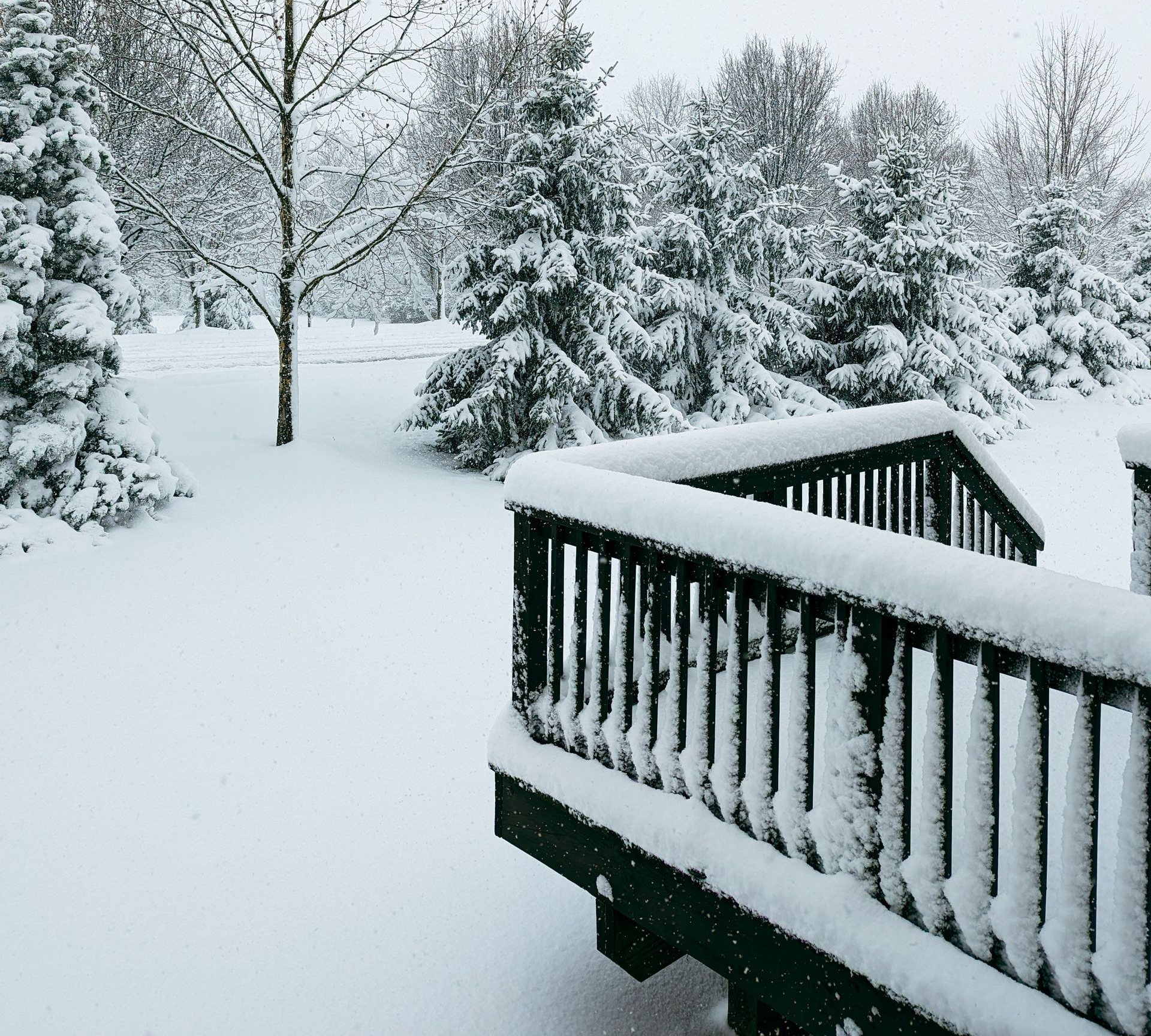
As snow melts and spring rain begins, many homeowners notice water collecting in areas where it was never an issue before. Pooling water, soft ground, and slow drainage are all signs that something beneath the surface is no longer functioning as it should.
Understanding why your yard holds water is the first step toward fixing it properly and preventing long term damage to your landscape.
What Changes Over Winter
Winter doesn’t just impact the surface of your yard. It changes the structure of the soil, the way water moves, and how your landscape performs as a whole.
As temperatures fluctuate, moisture in the ground freezes, expands, and shifts surrounding materials. When everything thaws, it rarely settles back into place evenly. This is where low spots, compaction, and drainage issues begin.
The way
soil and water movement behave during seasonal transitions plays a major role in how your yard handles spring conditions.
The Most Common Reasons Water Starts Pooling
Not all drainage issues are obvious, but most come down to a few underlying causes.
Improper Grading
Your property should be designed to direct water away from your home and key landscape features. When grading is off, even slightly, water will follow the wrong path and collect in low areas.
Over time, natural settling and winter movement can undo previously effective grading.
Understanding proper
drainage around your home is essential when identifying where water should be going versus where it is currently collecting.
Compacted or Saturated Soil
Soil that has become compacted over winter prevents water from absorbing properly. Instead of draining downward, water sits on the surface or moves laterally across your yard.
This is especially common in areas with:
- Heavy foot traffic
- Clay based soil
- Poor base preparation beneath landscaped areas
Ineffective Water Management
Spring introduces a high volume of water in a short period of time. If your yard cannot manage that volume, pooling becomes inevitable.
Downspouts, natural slopes, and surface drainage all play a role in
managing rainwater on your property, especially during peak thaw and rainfall periods.
Why Surface Fixes Don’t Work
It is tempting to fix pooling water by adding soil or regrading small sections of your yard. While this may improve the appearance temporarily, it rarely solves the actual issue.
In many cases:
- Water simply moves to another low area
- The underlying soil remains compacted
- The base structure beneath patios or lawns is unchanged
Without addressing what is happening below the surface, the problem will return.
This is where understanding proper groundwork and site preparation becomes important. The role of excavation is often overlooked, but it is critical in correcting foundational drainage issues.
How to Identify the Right Solution
The correct solution depends entirely on the cause of the issue. Applying the wrong fix can make the problem worse over time.
Minor Surface Issues
If water is pooling due to slight grading inconsistencies:
- Regrading may be enough
- Soil can be redistributed to improve flow
- Small drainage adjustments can help redirect water
Deeper Structural Problems
If the issue is more severe:
- Base layers may need to be rebuilt
- Drainage systems may need to be installed
- Soil conditions may need to be improved
Water management directly impacts the performance and lifespan of your outdoor features. A well built patio relies on proper drainage and a stable base to prevent movement and long term damage.
Signs the Problem Is Getting Worse
Some drainage issues develop gradually. Catching them early can prevent more extensive repairs.
Watch for:
- Water that takes longer to drain each season
- Expanding wet or soft areas in your yard
- Movement in patios, walkways, or edging
- Soil erosion or exposed base materials
Seasonal changes can compound these issues over time. Understanding how your yard performs throughout the year is key, which is why seasonal landscaping considerations play an important role in long term planning.
Fixing the Problem the Right Way
The most effective solutions address both surface conditions and what lies beneath.
This may include:
- Regrading the property to improve water flow
- Installing proper drainage systems
- Rebuilding compromised base layers
- Improving soil conditions for better absorption
Softscape areas can also play a role in water management. Strategic planting and material selection through proper softscaping can help regulate moisture and improve drainage naturally.
Plan Early to Avoid Bigger Issues
Spring is the best time to identify drainage problems, but it is also when demand for landscaping work increases quickly.
Addressing issues early allows for:
- Proper assessment and planning
- Better scheduling availability
- Reduced risk of further damage
- More effective long term solutions
Water problems rarely resolve on their own. Taking action early helps protect both the structure and longevity of your landscape.