Landscaping Projects That Add the Most Value to Your Property
Landscaping is often viewed as cosmetic. In reality, certain exterior improvements influence property performance, buyer perception, and long-term asset value in measurable ways.
Not all projects contribute equally. Strategic upgrades that improve structure, usability, and drainage tend to produce stronger returns than purely decorative additions.
Below are the landscaping investments that consistently support property value over time.
Curb Appeal That Signals Long-Term Care
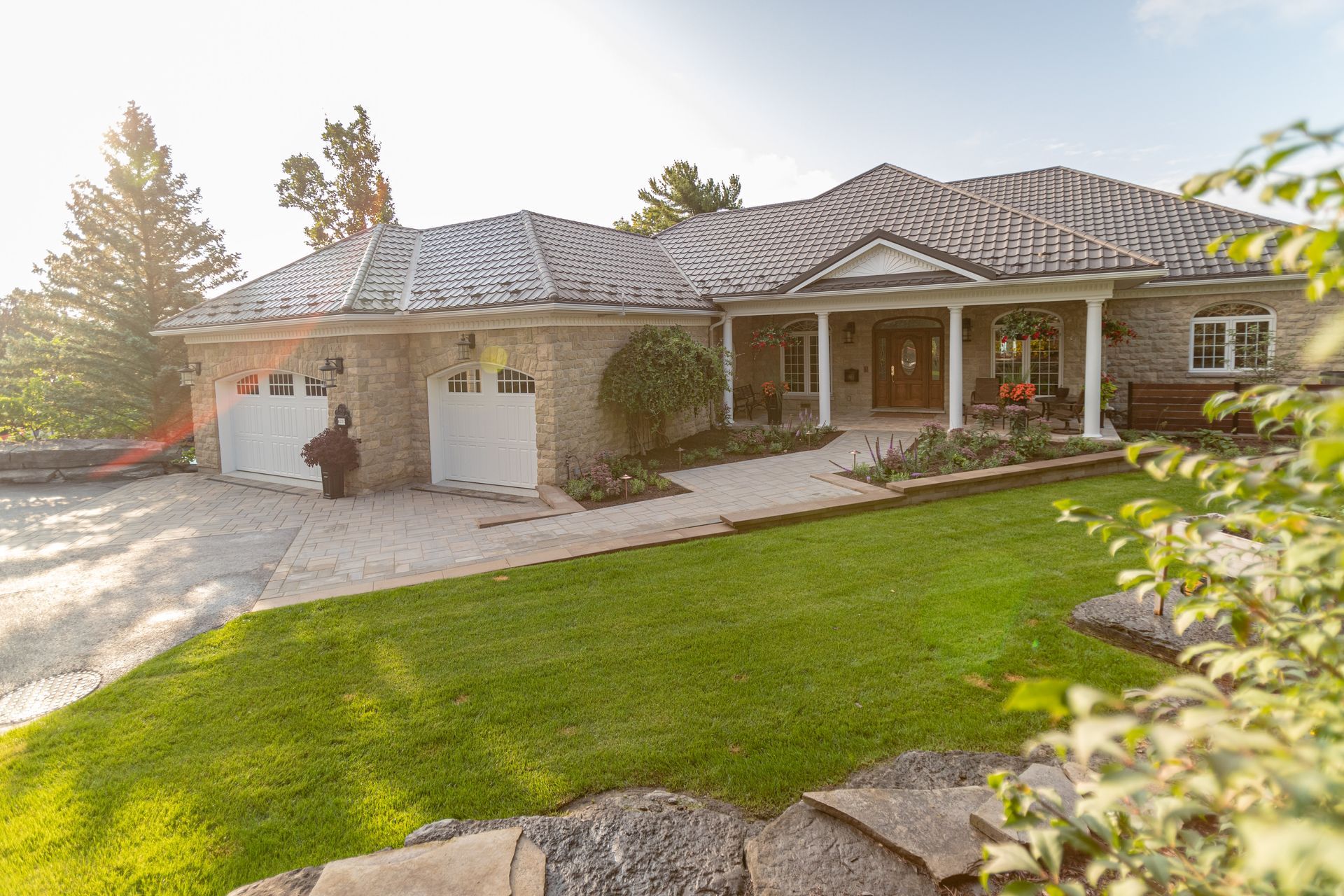
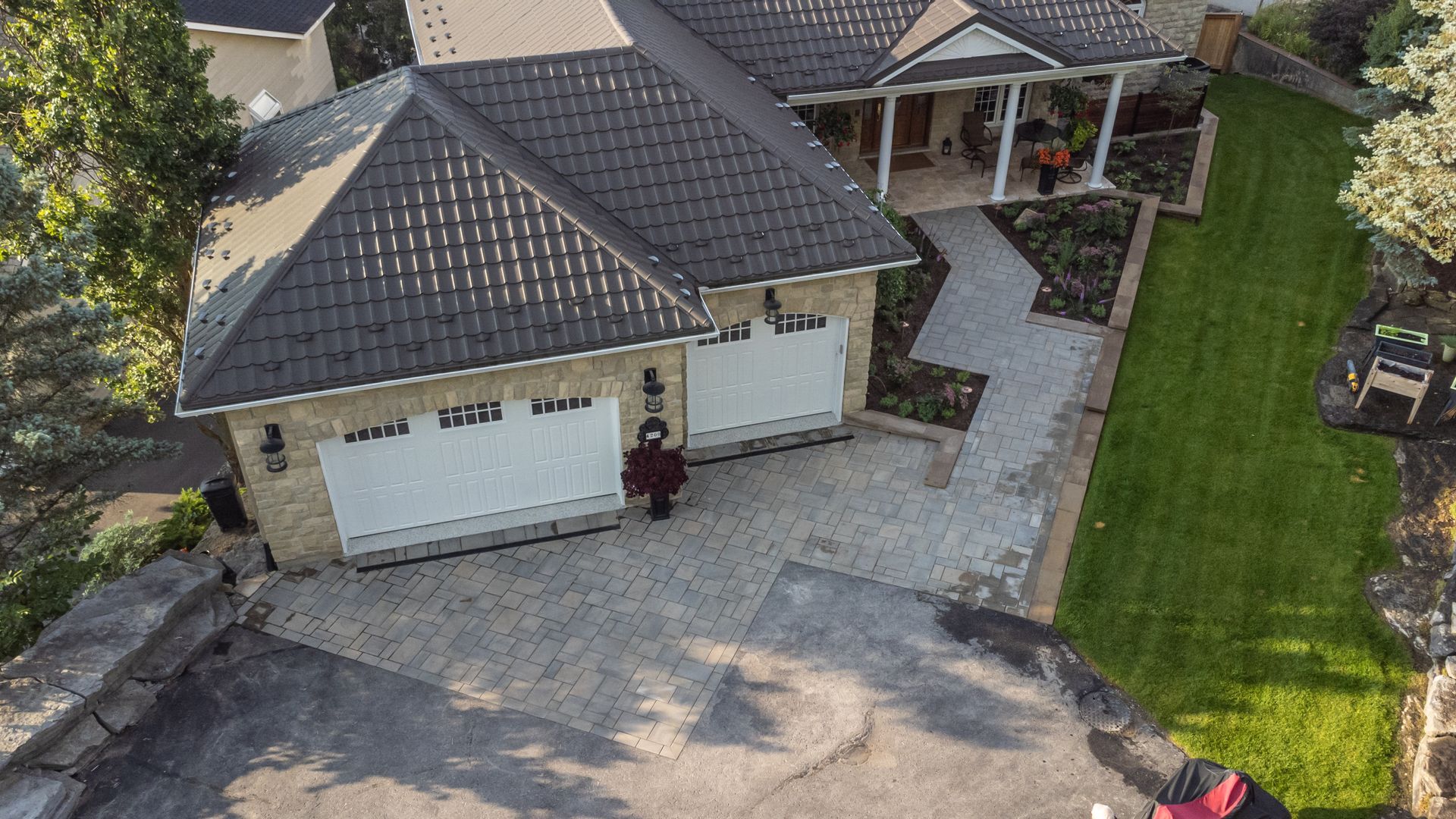
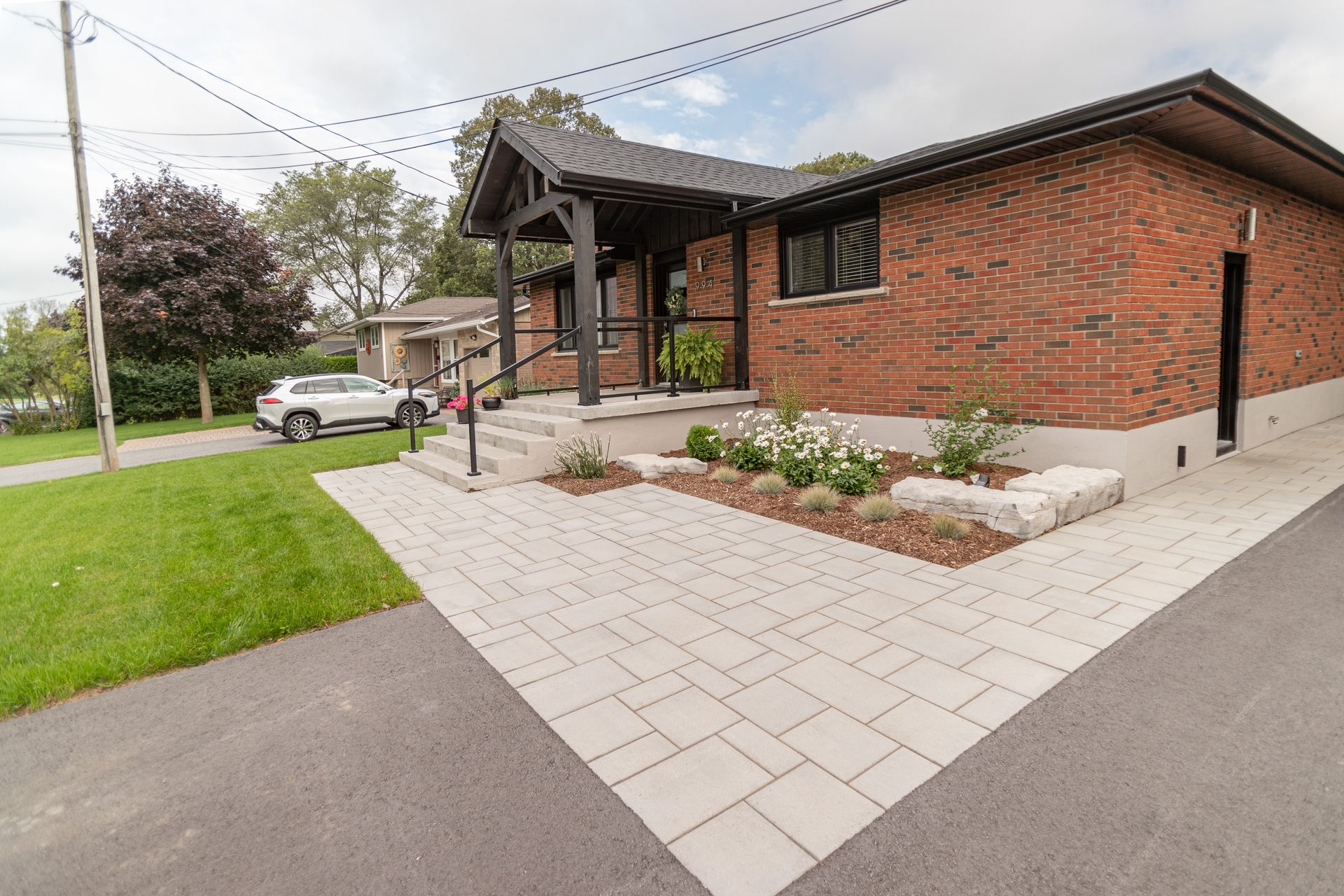
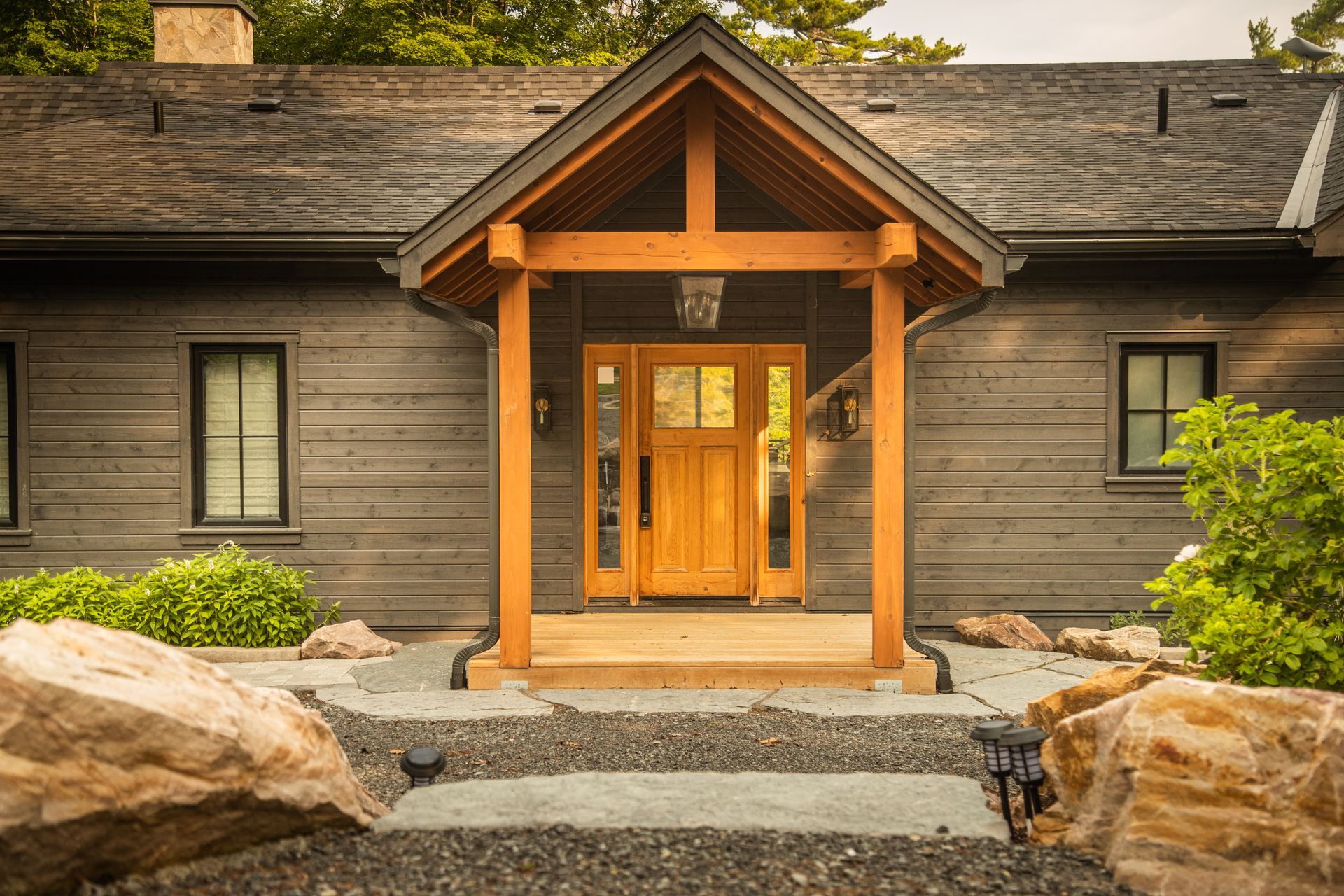
The front yard sets expectations before anyone steps inside. Clean lines, healthy plantings, defined walkways, and proper grading communicate maintenance and structural attention.
Buyers respond strongly to exterior presentation. Data around Canadian homebuyer preferences and property value trends consistently shows that first impressions influence purchasing decisions and perceived value.
Improvements that strengthen curb appeal include:
- Replacing uneven walkways
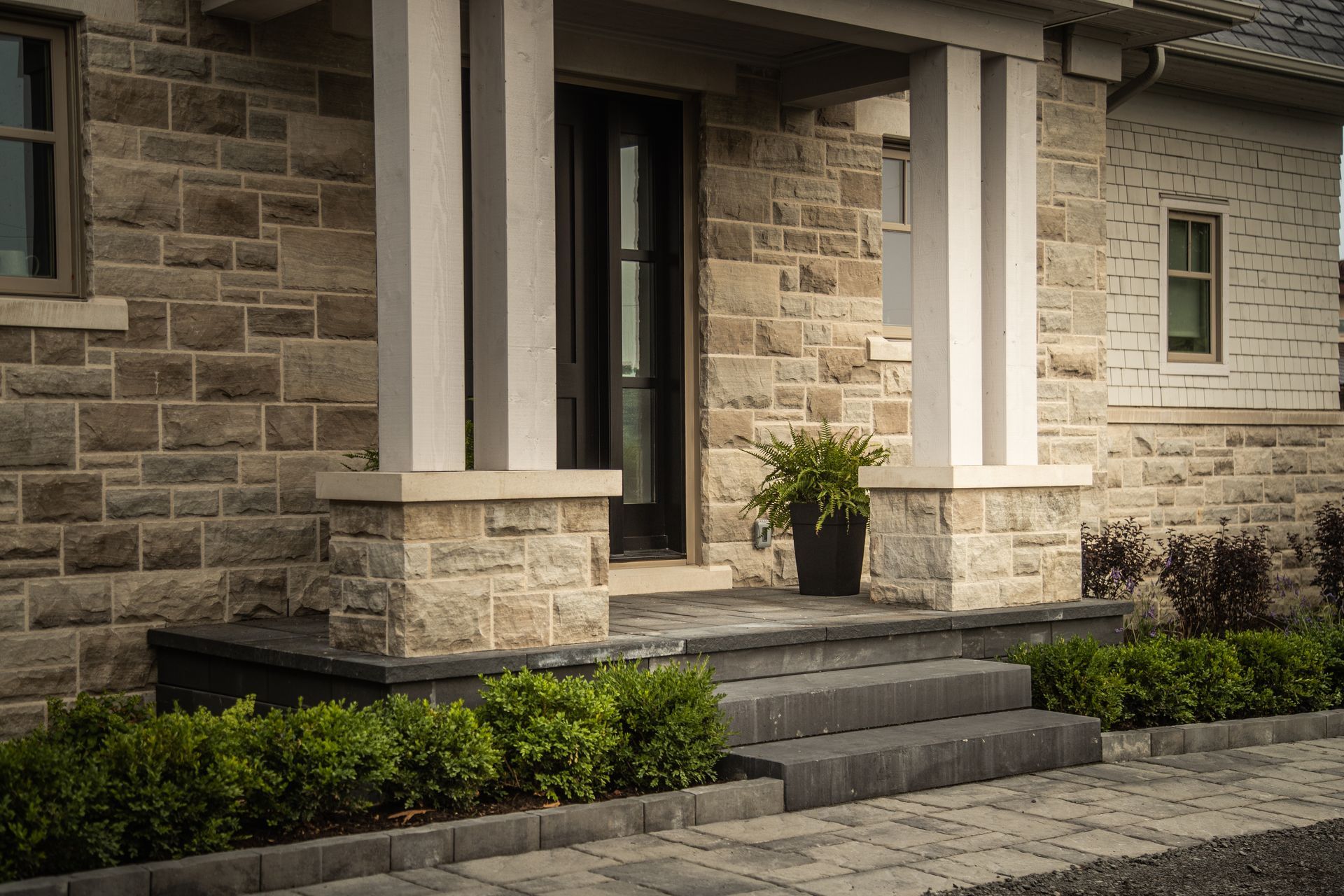
- Updating front steps or entry hardscaping
- Installing defined garden beds with structured plant groupings
- Improving lawn condition and edge definition
These upgrades improve visual impact while reinforcing functional durability.
For homeowners considering entry-focused upgrades,
Front Yard Landscaping Improvements explores how design and grading choices influence both aesthetics and structural stability.
Patios and Outdoor Living Spaces That Expand Usable Square Footage
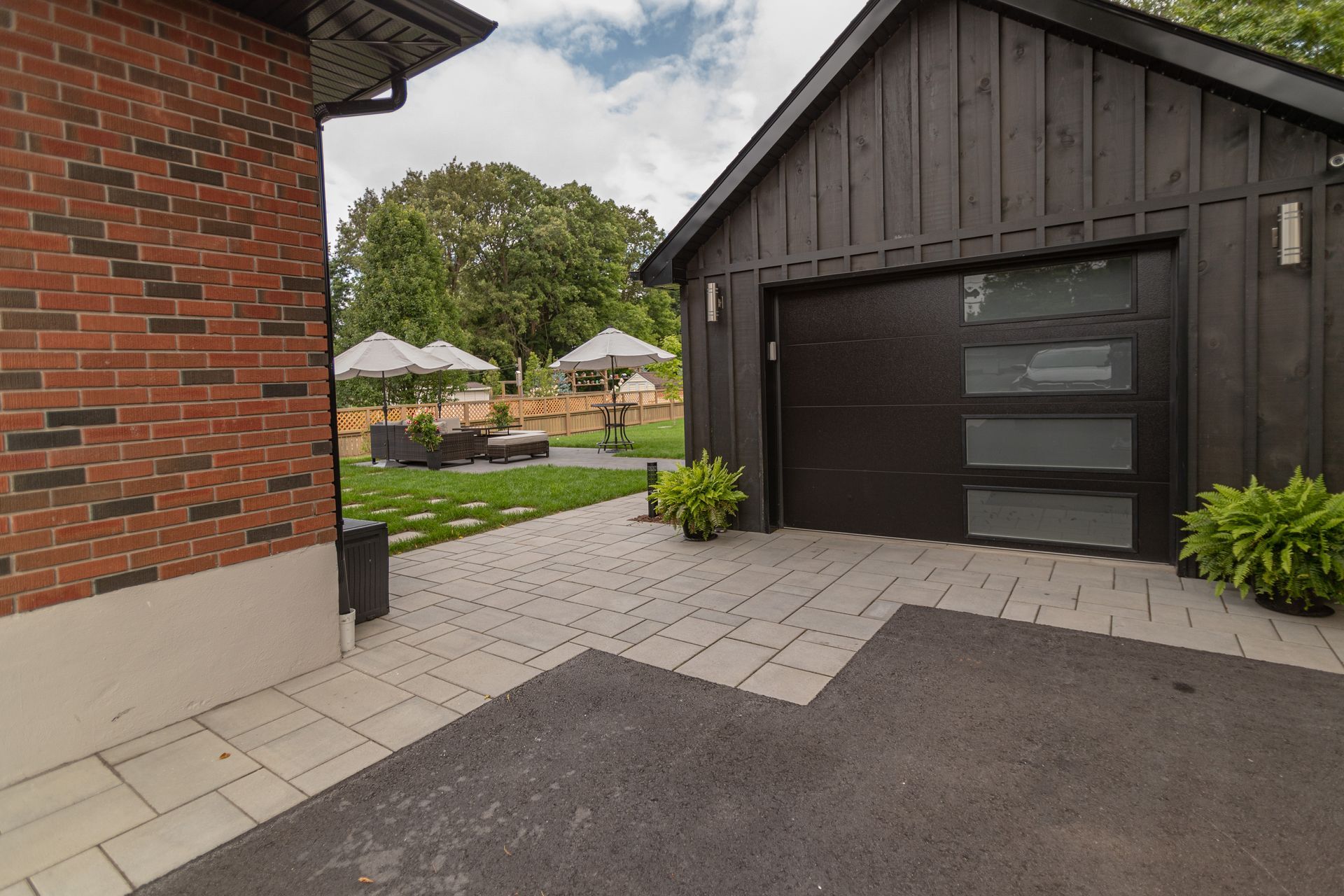
Functional outdoor living areas increase how a property performs, not just how it looks. A properly built patio adds entertaining space without altering interior structure.
Value comes from:
- Solid base preparation
- Proper slope for drainage
- Durable materials suited to climate conditions
- Seamless integration with the home’s architecture
Well-designed hardscapes create an extension of living space, which contributes to perceived square footage and lifestyle appeal.
The structural planning behind those installations is detailed in
The Value of a Well-Designed Patio, where base depth and load distribution are examined in more detail.
Drainage and Grading That Protect the Structure
Water management rarely receives attention during resale conversations, yet it plays a central role in preserving property value.
Poor drainage leads to:
- Soil erosion
- Foundation stress
- Frost heave
- Hardscape settlement
Investments in proper grading, swales, and runoff control protect structural components long term.
National data on residential investment trends in Canada highlights the importance of exterior improvements that protect core infrastructure rather than purely cosmetic upgrades.
Addressing drainage before installing patios or retaining features prevents future repair costs and stabilizes the landscape system as a whole.
For properties experiencing pooling or runoff issues, Drainage and Grading in Landscaping outlines how site adjustments improve durability and reduce long-term risk.
Retaining Walls That Improve Function and Stability
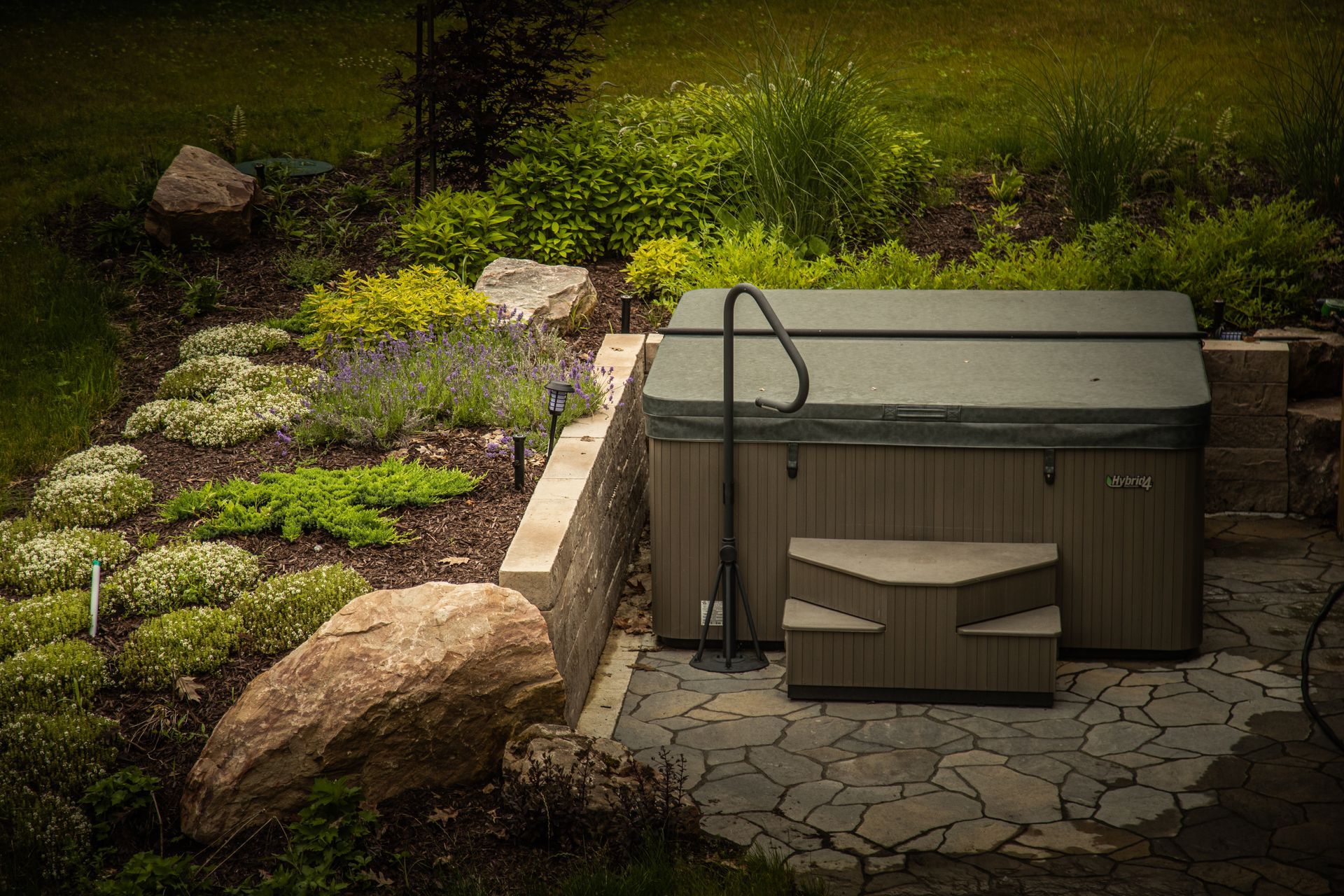
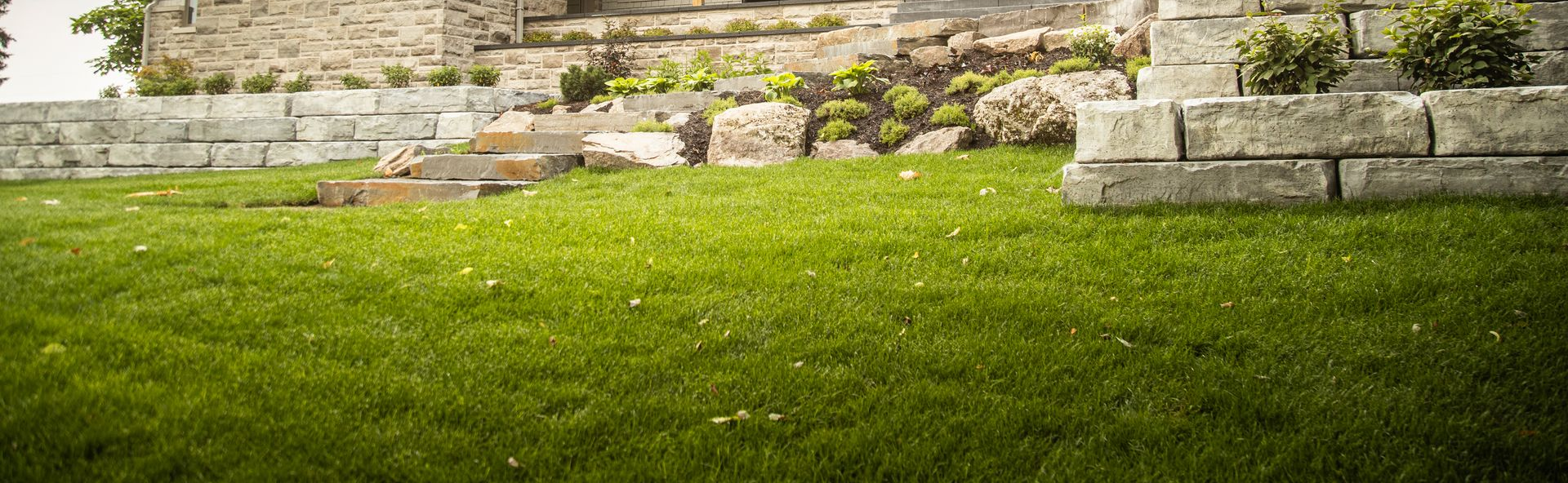
On sloped properties, retaining walls do more than create level planting areas. They stabilize soil, manage runoff, and increase usable yard space.
Value comes from:
- Structural reinforcement
- Improved access to previously unusable areas
- Reduced erosion risk
- Enhanced layout flexibility
When properly engineered, retaining systems convert challenging terrain into functional outdoor space.
Landscape Lighting That Extends Practical Use
Outdoor lighting improves safety and usability while increasing evening curb appeal. It also supports perceived value by emphasizing architectural and landscape features.
Strategic lighting placement can:
- Highlight entryways
- Illuminate pathways
- Showcase stonework or planting features
- Improve security perception
When integrated during initial hardscape installation, lighting infrastructure adds long-term functionality without invasive retrofits later.
Structured Planting and Softscaping
Plant selection and placement influence long-term maintenance costs and visual cohesion. Well-planned softscaping enhances value by reinforcing architectural scale and seasonal balance.
Effective planting plans include:
- Layered height variation
- Root systems suited to soil conditions
- Low-maintenance species
- Defined bed borders to prevent lawn intrusion
While trends change, structure and proportion remain consistent markers of quality landscaping.
What Does Not Add Meaningful Value
Certain upgrades offer limited return when compared to their cost:
- Overly niche design features
- High-maintenance plant selections
- Decorative elements that lack structural benefit
- Oversized installations that reduce open yard space
Value is strongest when improvements improve performance, durability, and usability.
Professional appraisers evaluate exterior improvements based on durability, functionality, and integration. Industry standards around how exterior improvements influence residential appraisals reinforce that quality execution and structural relevance matter more than trend-based design.
Prioritizing Projects Strategically
When planning upgrades, focus on improvements that:
- Protect the structure
- Increase usable space
- Improve drainage
- Enhance curb presentation
- Reduce future maintenance
Landscaping becomes a value driver when it supports the long-term performance of the property rather than acting as surface decoration.
Thoughtful planning and disciplined installation practices create exterior environments that hold their appeal and structural integrity for years.
Building for Stability Instead of Repair
A well-built patio should withstand seasonal moisture changes and freeze-thaw cycles without noticeable shifting. That durability comes from thoughtful planning, correct excavation, and disciplined compaction practices.
When patios shift, crack, or sink, the surface is rarely the root cause. Soil stability, drainage control, and structural preparation determine how well the hardscape performs over time.
Investing in proper installation protects both the aesthetic appeal and structural integrity of the space for years to come.