Spring Yard Inspection Checklist: What to Look for After Winter
As the snow melts and the ground begins to thaw, hidden damage across your property starts to reveal itself. Freeze thaw cycles, excess moisture, and shifting soil can impact everything from patios to retaining walls. A proper spring inspection helps identify small issues before they become costly structural problems.
Start With Structural Elements First
Before focusing on appearance, it is important to assess the structural components of your landscape. These are the areas most affected by winter conditions and the most expensive to repair if left unchecked.
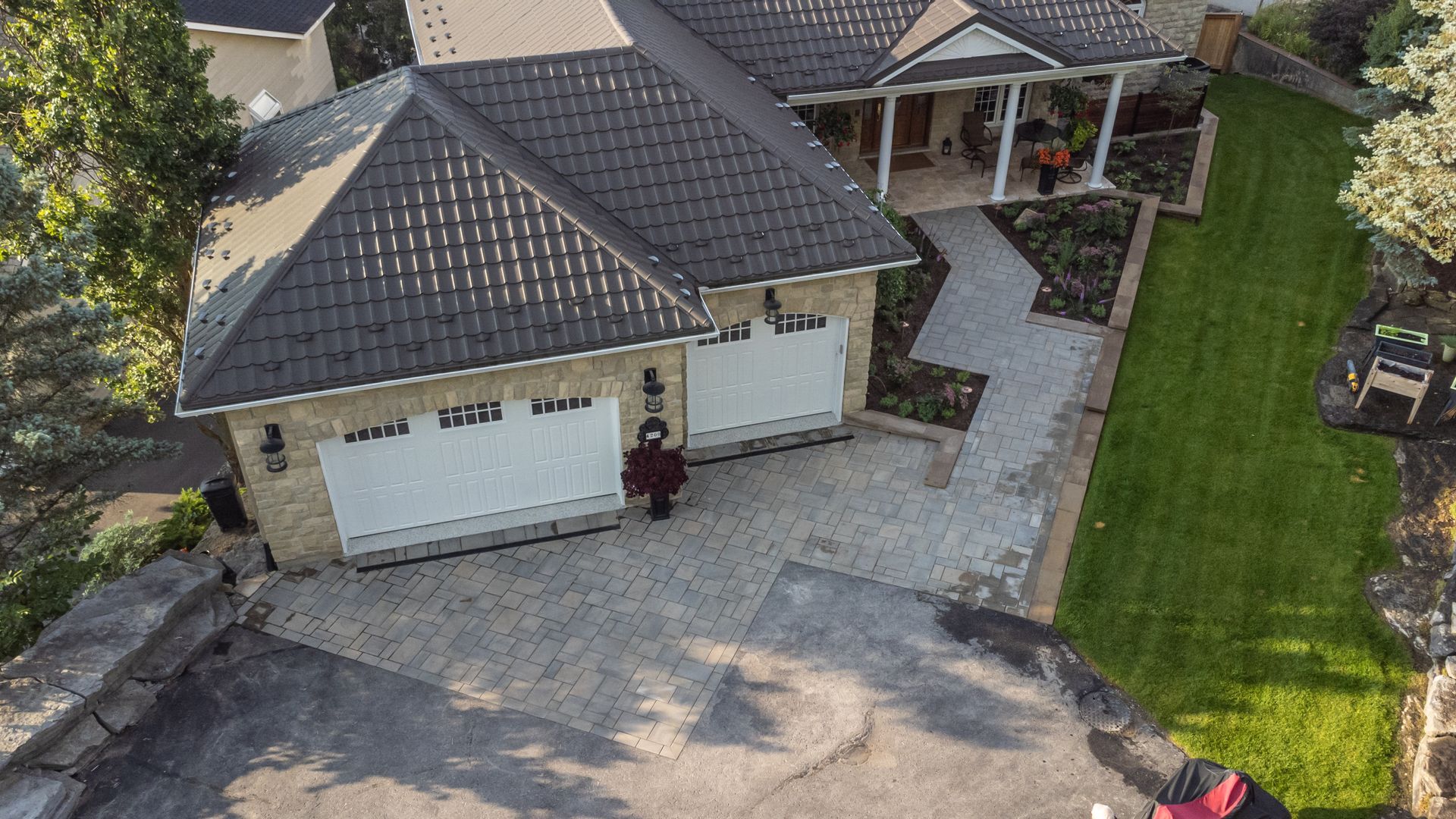
Patios and Outdoor Living Spaces That Expand Usable Square Footage
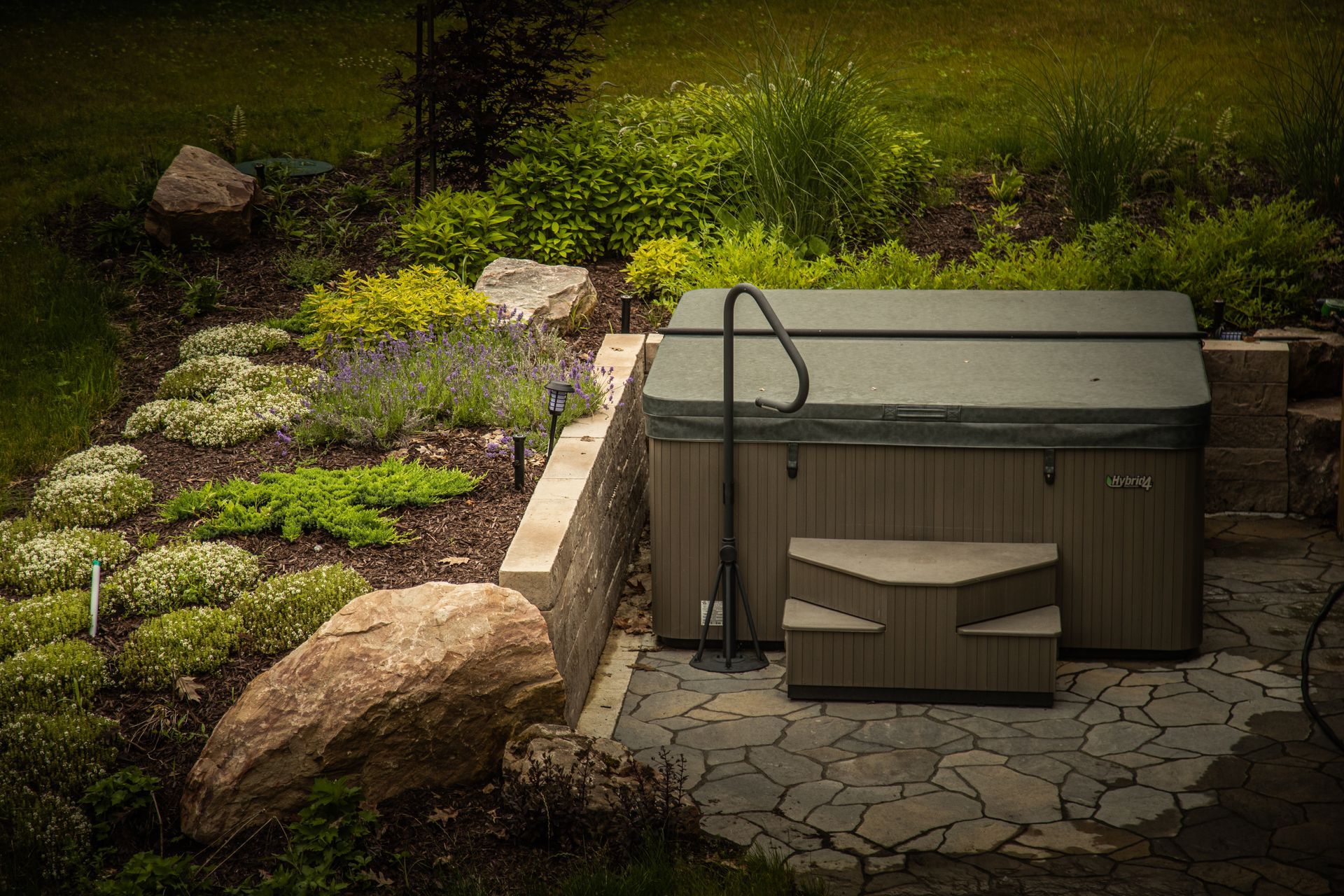
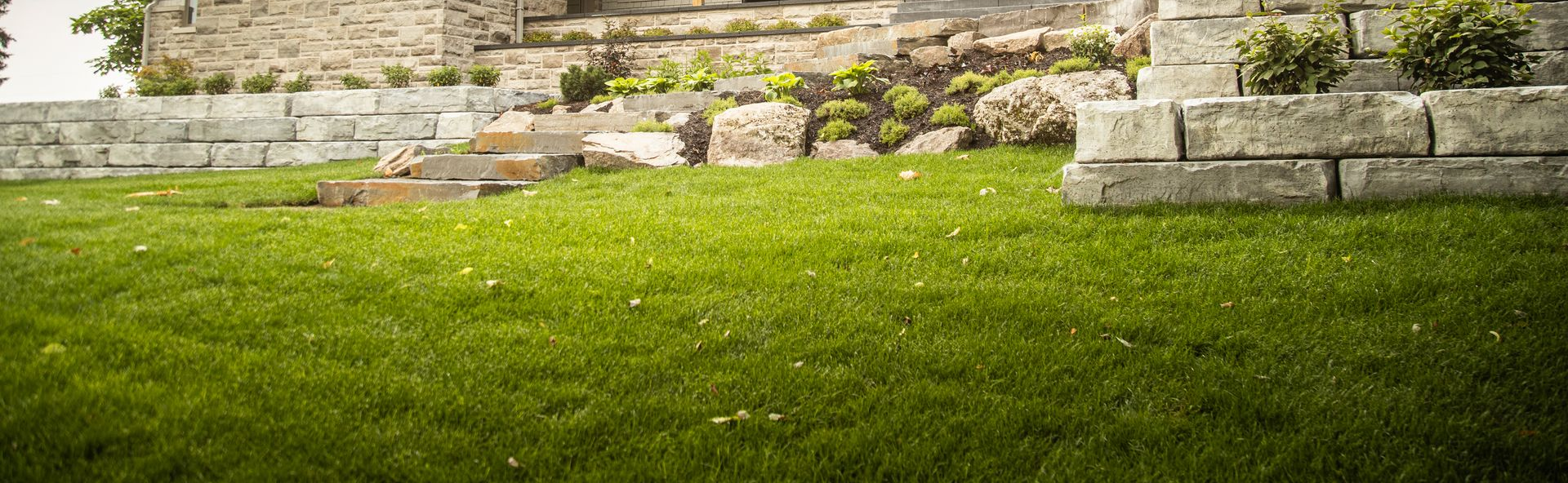
Retaining Walls
Retaining walls are particularly vulnerable to frost movement and water pressure buildup.
Look for:
- Leaning or bowing sections
- Separation between blocks or stones
- Cracking along joints
- Signs of water pooling or poor drainage behind the wall
Movement in retaining walls is often tied to improper base preparation or drainage failure. If caught early, repairs can be localized rather than requiring a full rebuild.
If you are unsure what proper construction should look like, reviewing
retaining walls can provide helpful context.
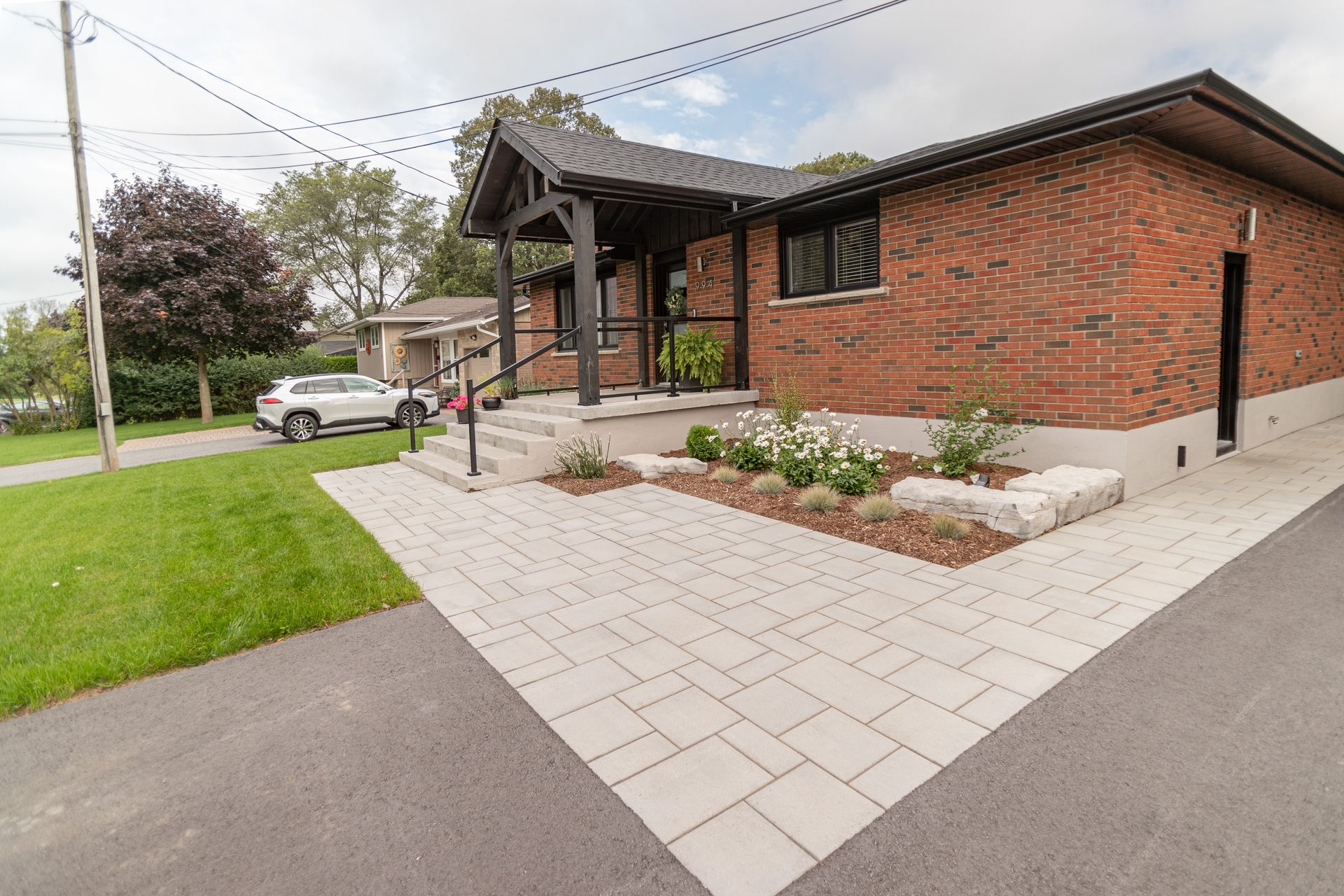
Patios and Walkways
Patios often show the most visible signs of winter damage.
Watch for:
- Uneven or sunken sections
- Loose or shifting stones
- Pooling water after rain
- Gaps forming between joints
These issues are typically caused by frost heave or a compromised base layer. Even small shifts can create drainage problems that accelerate further damage.
A deeper understanding of proper installation can be found in
hardscaping.
Check Drainage and Water Flow
Water is one of the most damaging forces in any landscape. Spring is when drainage issues become most obvious due to snowmelt and increased rainfall.
Look for:
- Standing water near foundations or patios
- Erosion or washed out areas
- Water flowing toward structures instead of away
- Saturated soil that remains wet for extended periods
Poor drainage not only damages surfaces but also weakens the soil structure beneath them. Understanding how grading impacts your property can help identify root causes. Reviewing drainage and grading can provide additional insight.
Proper site grading is also recognized as a key factor in protecting residential properties from moisture damage.
Water should be directed away from your home using
proper grading and downspout placement, as poor drainage can lead to pooling, foundation issues, and long term property damage.
Watch for Frost Heave and Ground Movement
Frost heave occurs when moisture in the soil freezes, expands, and pushes surfaces upward. When the ground thaws, it does not always settle evenly.
Common signs include:
- Raised sections of lawn or garden beds
- Tilted steps or edging
- Cracks in hard surfaces
- Newly uneven walking areas
This type of movement is especially common in areas with poor compaction or high moisture levels.
Soil movement during freeze thaw cycles is a common issue in Canadian climates, where moisture in the ground expands when frozen and can shift surfaces before settling unevenly during spring thaw.
Evaluate Lawn and Softscape Health
While structural elements should take priority, lawn and planting areas also require attention in early spring.
Look for:
- Dead or thinning grass
- Compacted soil from snow cover
- Salt damage near walkways or driveways
- Areas where water is not draining properly
These issues are often surface level but can point to deeper problems with soil quality or drainage.
Seasonal changes play a major role in how landscapes recover and perform throughout the year, particularly after harsh winters.
Inspect Edging, Steps, and Smaller Features
Smaller elements are often overlooked but can indicate underlying movement.
Check:
- Garden edging that has shifted or lifted
- Steps that feel unstable
- Loose caps or coping stones
- Minor cracks appearing across multiple areas
These details may seem minor but often reflect movement in the base layers below.
Prioritize What Needs Immediate Attention
Not every issue requires urgent repair, but some should be addressed early to prevent further damage.
Prioritize:
- Drainage issues causing water buildup
- Structural movement in retaining walls
- Significant patio settling or trip hazards
- Soil erosion near foundations
Cosmetic concerns can typically wait, but structural issues should be handled early in the season.
Plan Ahead Before Peak Season
Spring is one of the busiest times for landscaping projects. Identifying issues early allows for better planning and scheduling.
Early planning helps with:
- Securing availability with contractors
- Allowing time for proper design and materials
- Preventing further damage while waiting
- Ensuring work is completed under ideal conditions
In many cases, early action can prevent minor issues from becoming larger, more expensive projects.