Why Patios Shift, Crack, or Sink and How to Prevent It
A patio should feel solid underfoot. When pavers start separating, corners dip, or concrete cracks widen each season, the issue usually runs deeper than the surface. Most failures trace back to soil movement, drainage missteps, or inadequate base preparation.
Understanding why patios shift helps homeowners make better installation decisions and avoid recurring repairs.
What Causes Patio Movement?
Patio systems rely on layered construction: subgrade soil, compacted base material, bedding layer, and surface material. If any layer is compromised, the entire structure reacts.
Common causes include:
- Poor soil compaction
- If the native soil beneath the patio is not properly compacted, it can settle unevenly over time, creating low spots and stress points.
- Inadequate base depth
- A base that is too thin cannot distribute weight properly. This often leads to cracking in concrete or shifting in interlock systems.
- Water infiltration
- Water weakens soil structure. When it pools beneath a patio, it softens the subgrade and accelerates settlement.
- Seasonal soil expansion
- Clay-heavy soils expand and contract with moisture changes, placing pressure on hardscape surfaces.
Each of these factors contributes differently, but they all relate to one central principle: structural stability begins below the surface.
Freeze-Thaw Cycles and Soil Expansion
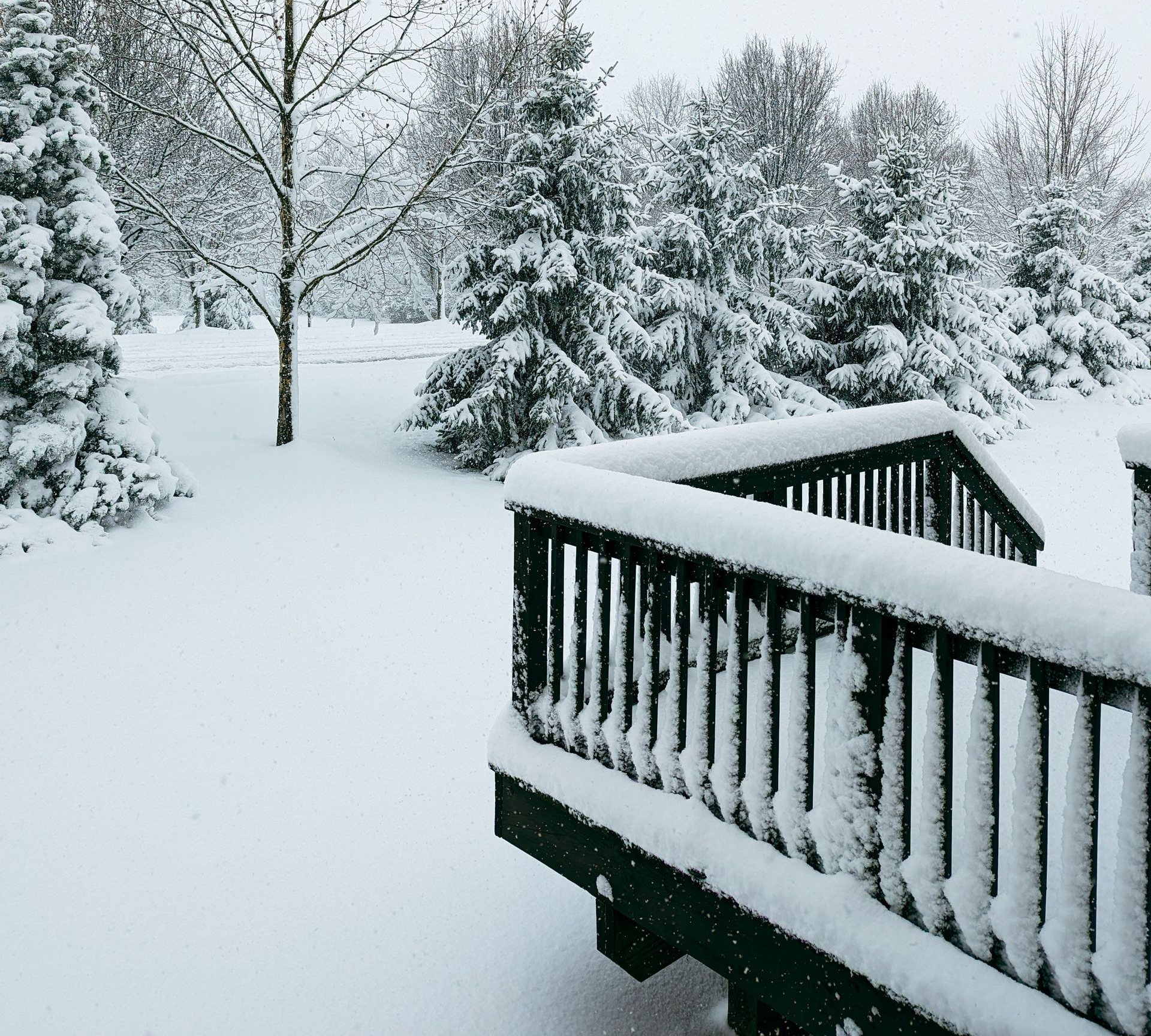
In colder climates, repeated freezing and thawing is one of the most aggressive forces acting on patios. When moisture in the soil freezes, it expands. As it thaws, the soil contracts. Over multiple seasons, this movement can push surfaces upward or allow them to settle unevenly.
The impact of freeze thaw cycles in Canadian climates is well documented and plays a significant role in exterior hardscape movement.
If the patio base does not allow proper drainage, trapped water magnifies this expansion. Over time, that pressure results in lifted pavers, cracked slabs, or uneven sections.
Drainage Is Often the Hidden Culprit
Surface water should always move away from hardscapes. When grading directs runoff toward a patio, or when downspouts discharge too close to it, moisture accumulates beneath the structure.
Improper drainage contributes to:
- Soil erosion beneath edges
- Washout of bedding sand
- Frost heave amplification
- Settlement at corners and perimeter zones
Provincial planning frameworks emphasize the importance of stormwater management guidance in Ontario to reduce erosion and structural damage to exterior surfaces.
A properly graded landscape protects not only the patio surface but also the base layers that support it.
The Role of Base Preparation
A durable patio depends on the correct base depth, compaction method, and aggregate selection. Skipping or rushing this stage is one of the most common installation errors.
Professional installation typically includes:
- Excavation to a stable subgrade
- Installation of geotextile where needed
- Layered aggregate compacted in lifts
- Proper edge restraint to prevent lateral movement
Structural guidance outlined within National Building Code requirements for soil and foundation performance reinforces the importance of load-bearing preparation and soil stability.
Without sufficient compaction, even the highest quality pavers will fail prematurely.
For a deeper look at how excavation influences long-term performance, Excavation: The Foundation of Every Successful Landscape Project explains how soil preparation determines structural integrity.
Edge Restraint and Lateral Movement
Many patio issues begin at the perimeter. If edge restraints are weak or improperly anchored, pavers begin to spread outward. This creates joint gaps and uneven sections.
Once lateral movement begins:
- Bedding sand shifts
- Surface units loosen
- Water penetrates more easily
- Repairs become increasingly complex
Edge control is often overlooked but plays a critical role in structural stability.
Concrete Cracking vs. Paver Shifting
Concrete slabs and interlocking systems respond differently to soil movement.
Concrete tends to crack when stress builds beyond its tensile capacity. Control joints help manage this, but poor base conditions still result in visible fractures.
Interlocking systems are more flexible but will settle or shift if the base is compromised.
Understanding the structural differences is important when evaluating performance expectations. The design and structural intent behind each approach is explored further in Hardscaping in Kingston, which outlines how different systems function under load.
Preventative Measures That Protect Long-Term Performance
Patio longevity depends on proactive planning rather than reactive repair.
Key prevention strategies include:
- Ensuring adequate excavation depth based on soil type
- Compacting aggregate in controlled layers
- Maintaining proper slope away from structures
- Redirecting downspouts away from hardscape surfaces
- Using quality edge restraint systems
When patios fail, homeowners often focus on surface repair. However, the underlying issue is frequently drainage or grading related. Addressing those elements at the installation stage reduces future movement.
For properties with broader water control challenges, Drainage and Grading in Landscaping examines how site planning influences hardscape durability.
Recognizing Early Warning Signs
Catching minor movement early can prevent larger structural repairs later.
Watch for:
- Small joint separations between pavers
- Standing water after rainfall
- Hairline cracks widening seasonally
- Patio edges pulling away from steps or curbs
These signals often indicate sub-base instability rather than simple surface wear.
Building for Stability Instead of Repair
A well-built patio should withstand seasonal moisture changes and freeze-thaw cycles without noticeable shifting. That durability comes from thoughtful planning, correct excavation, and disciplined compaction practices.
When patios shift, crack, or sink, the surface is rarely the root cause. Soil stability, drainage control, and structural preparation determine how well the hardscape performs over time.
Investing in proper installation protects both the aesthetic appeal and structural integrity of the space for years to come.