Softscaping Essentials: Plants, Beds, Soil, Edging, and Maintenance
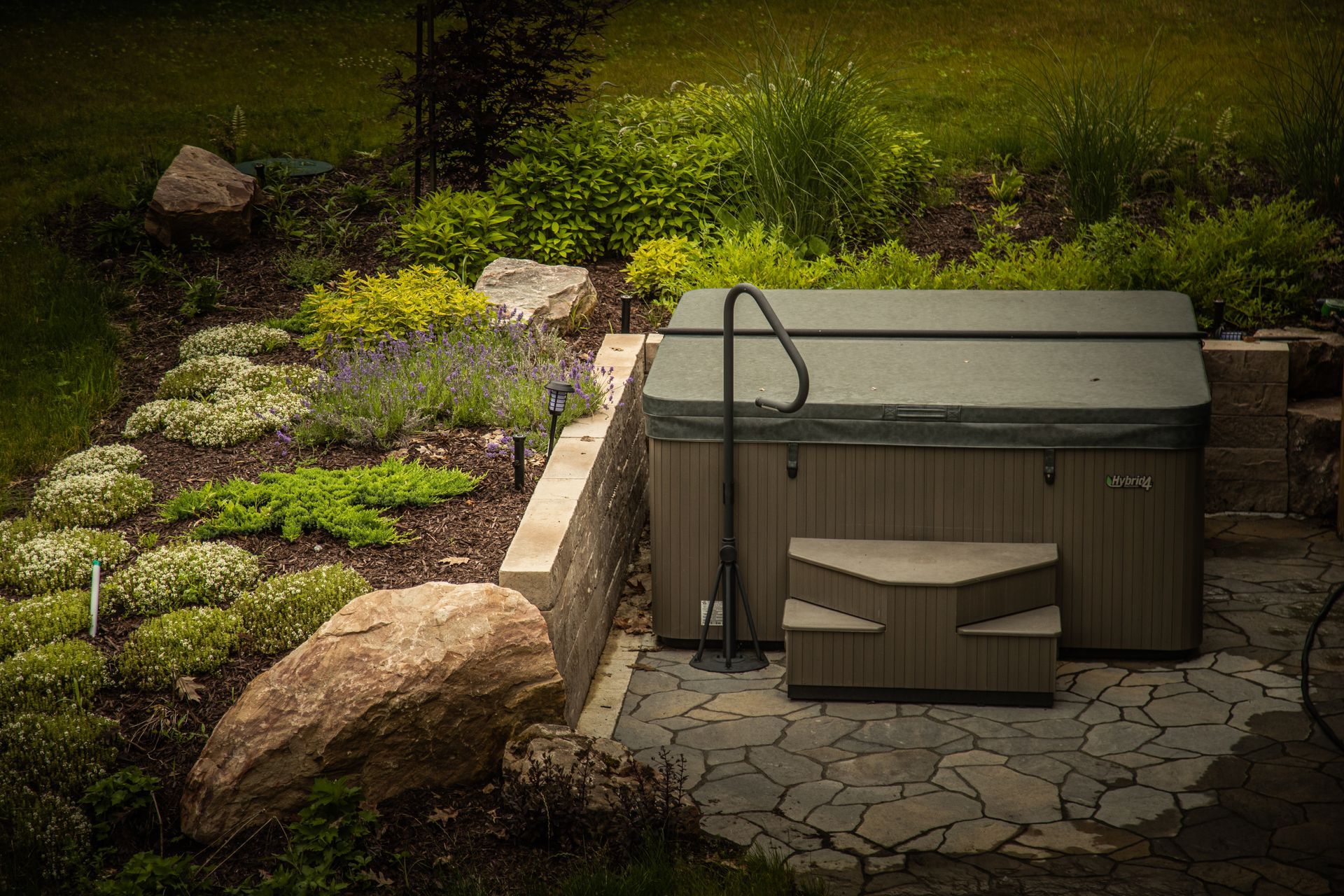
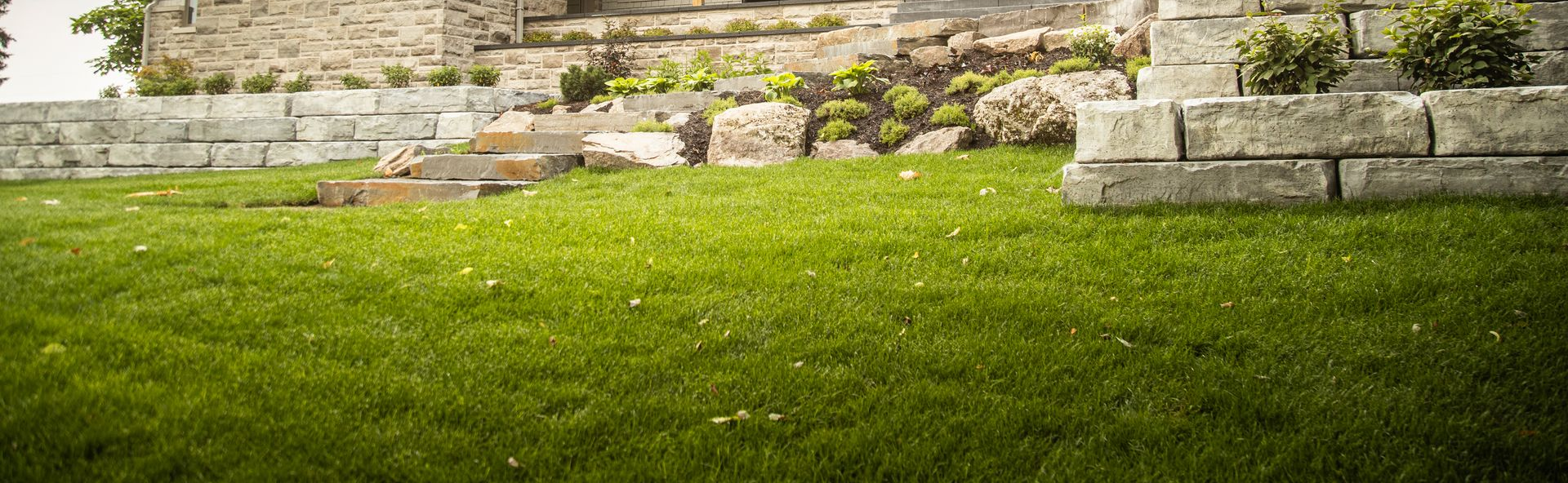
Softscaping is the living, growing foundation of every landscape. While hardscapes such as patios, walkways, and retaining walls create structure, softscapes bring texture, colour, and seasonal movement to an outdoor space. Thoughtful softscape design supports long-term plant health, improves curb appeal, and creates a balanced landscape that feels welcoming and well cared for throughout the year.
A strong softscape considers the soil beneath it, the plants chosen for the space, and the way each garden bed is shaped and maintained. When these elements work together, the landscape becomes more resilient and easier to maintain over time.
Understanding Softscaping and Its Role in the Landscape
Softscaping includes all living elements of a landscape: trees, shrubs, perennials, annuals, lawns, and groundcovers. It also includes the supporting materials around them, such as soil, compost, and mulch, since these components directly influence plant growth and long-term health.
Where hardscapes add function and structure, softscapes contribute:
- Seasonal interest through foliage, blooms, and changing colours
- Shade, privacy, and natural wind screening
- Environmental benefits through pollinator support and improved soil health
- Smooth transitions between built elements and open natural spaces
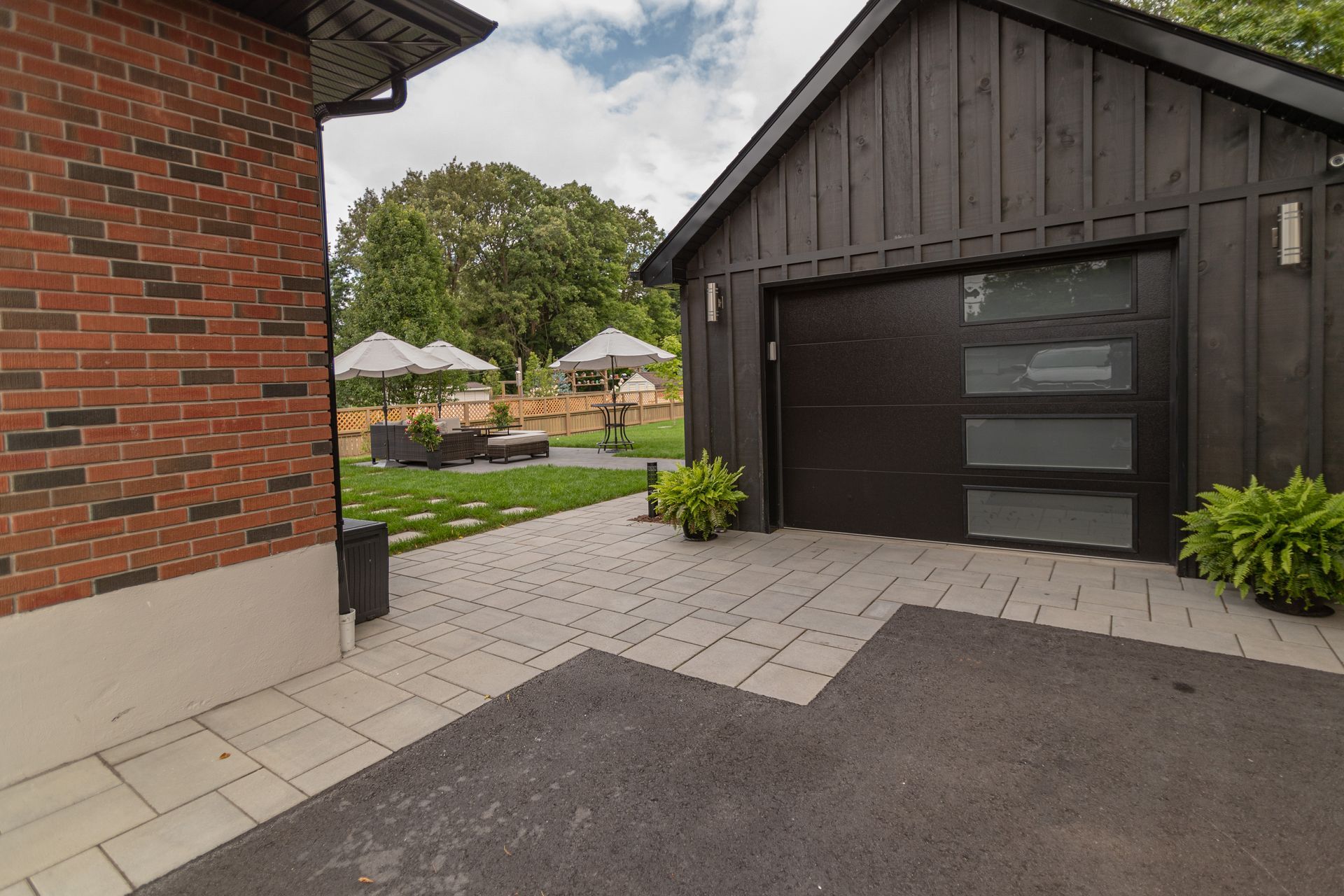
A cohesive softscape elevates the visual balance of the yard and compliments features such as patios, retaining walls, and pathways. Many of these principles tie into
reliable hardscape design standards, where functionality and appearance work together to support the overall landscape.
Soil Preparation: The Foundation of Healthy Softscaping
Healthy soil is essential for successful plant growth. Without proper structure, aeration, and nutrition, even low-maintenance plants struggle.
Soil conditions in Kingston vary significantly, ranging from dense clay to sandy pockets. Amending soil before planting sets the stage for stronger root systems and improved plant performance.
Key elements of soil preparation
- Adding compost increases organic matter, improves drainage, and strengthens nutrient availability.
- Loosening compacted soil helps roots establish, especially after winter freeze-thaw cycles.
- Mulch maintains soil moisture, suppresses weeds, and moderates temperature fluctuations.
Agriculture and Agri-Food Canada offers helpful information on how soil structure and organic matter influence plant health:
Proper soil conditions support long-term plant resilience and reduce maintenance throughout the growing season.
Designing Softscape Beds for Structure and Visual Balance
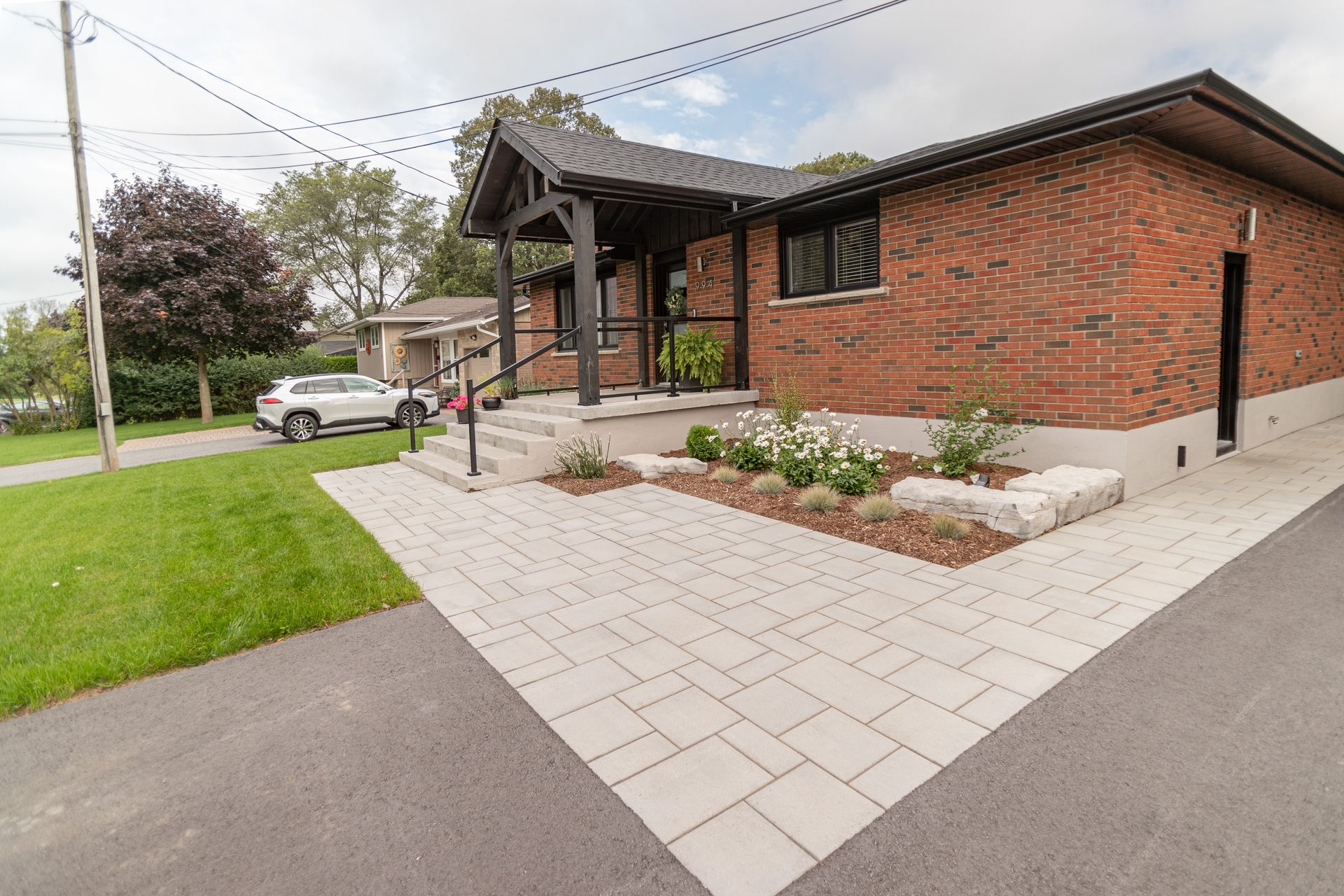
Garden beds shape how the landscape feels and determine how plants interact with surrounding hardscapes. Curved beds create softer transitions, while straight edges produce a modern, structured look that pairs well with contemporary patios and walkways.
Considerations when planning softscape beds
- Ensure beds are large enough for plants to mature without crowding.
- Group plants with similar water and sunlight needs to simplify maintenance.
- Layer plant heights to create depth, with taller species positioned strategically for balance.
- Use mulch or stone borders to keep soil and materials contained.
Thoughtful bed design also plays a role in drainage and overall stability. Grading and soil preparation influence how water moves across the yard, connecting to practices found in effective excavation techniques. Proper shaping helps prevent erosion and protects nearby hardscape surfaces.
Spring and fall offer the best conditions for reshaping beds, as soil is easier to work with and temperatures are moderate.
Choosing Plants That Perform Well in Canadian Conditions
Plant selection determines how the landscape will look and function throughout the year. Kingston’s climate brings hot summers, cold winters, and transitional seasons that require durable, adaptable species.
Popular shrubs and trees for Ontario landscapes
- Hydrangeas (especially panicle varieties) thrive in various light conditions and deliver reliable blooms.
- Serviceberry offers four-season interest with spring flowers, edible berries, and vibrant fall colour.
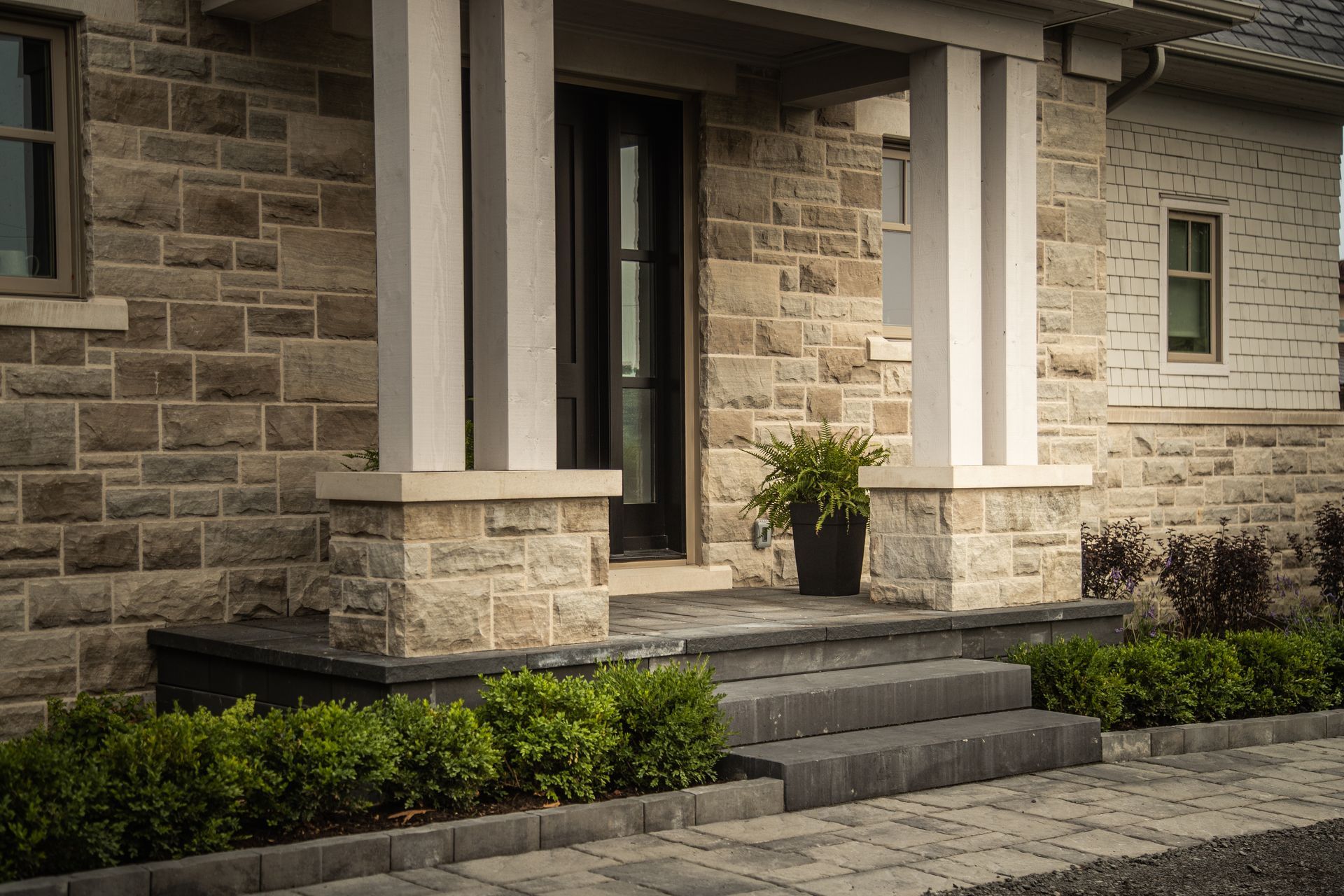
- Boxwood provides evergreen structure and works well along walkways or garden edges.
Reliable perennials for long-term performance
- Coneflowers (Echinacea) attract pollinators and tolerate heat and drought once established.
- Black-eyed Susan produces long-lasting colour and pairs well with ornamental grasses.
- Hostas excel in shaded areas and add bold foliage texture.
- Daylilies offer extended bloom periods with minimal maintenance.
Native plants worth considering
Native plants adapt naturally to local soil and climate conditions while supporting beneficial wildlife. Some popular options include:
- Butterfly milkweed
- Little bluestem grass
- Purple coneflower
- Wild bergamot
- Red osier dogwood
The Canadian Wildlife Federation provides detailed insights into native plant benefits and selection.
Incorporating a mix of foundation shrubs, flowering perennials, and native species creates a diverse and resilient softscape.
Edging: Small Detail, Big Impact
Edging defines garden beds, prevents materials from spilling onto walkways or lawns, and enhances the overall appearance of the yard. The right edging solution reinforces the landscape’s structure and keeps maintenance manageable.
Common edging options
- Natural cut edges blend seamlessly with lawns and offer flexible design options.
- Stone borders add visual weight and complement retaining walls, patios, and other hardscapes.
- Metal edging provides a clean, durable, modern appearance.
- Living edging using groundcovers softens transitions between garden beds and turf.
Clear, well-placed edging also aids movement and accessibility across outdoor spaces, reflecting ideas used in inclusive landscape planning.
Ongoing Maintenance for a Healthy Softscape
Regular maintenance keeps the landscape thriving and prevents small issues from becoming larger challenges. Light, consistent care is more effective than sporadic major cleanups.
Maintenance tasks throughout the year
- In spring, pruning and clearing winter debris encourage strong new growth.
- Deep watering during summer promotes healthy root systems and improves drought tolerance.
- Fall cleanup, dividing perennials, and refreshing mulch prepare the landscape for winter.
- Winter protection such as burlap wraps or shielding sensitive shrubs helps reduce cold damage.
Keeping up with plant health, soil moisture, and bed conditions ensures the softscape continues to perform well through every season.
Softscaping brings life, warmth, and natural movement to any outdoor space. Healthy soil, thoughtful plant selection, and well-planned garden beds form a strong foundation that supports both beauty and long-term performance. When a landscape blends softscapes with existing hardscapes, the entire property feels more balanced, inviting, and complete.
Homeowners looking to refresh existing plantings, add new garden beds, or create a cohesive landscape that pairs well with patios and walkways can benefit from expert support during the planning and installation stages. If you're considering enhancing your softscape,
Mark of Excellence Landscaping can help guide design choices and ensure each element is placed and prepared with long-term success in mind.