Outdoor Landscape Lighting: Safety, Function, and Curb Appeal After Dark
Outdoor landscape lighting plays an essential role in how a property functions once daylight fades. Beyond simply illuminating a space, well-planned lighting improves safety, enhances visibility, highlights design features, and allows outdoor areas to be used longer into the evening. When lighting is treated as part of the overall landscape plan rather than an afterthought, it adds both practical and visual value to the property.
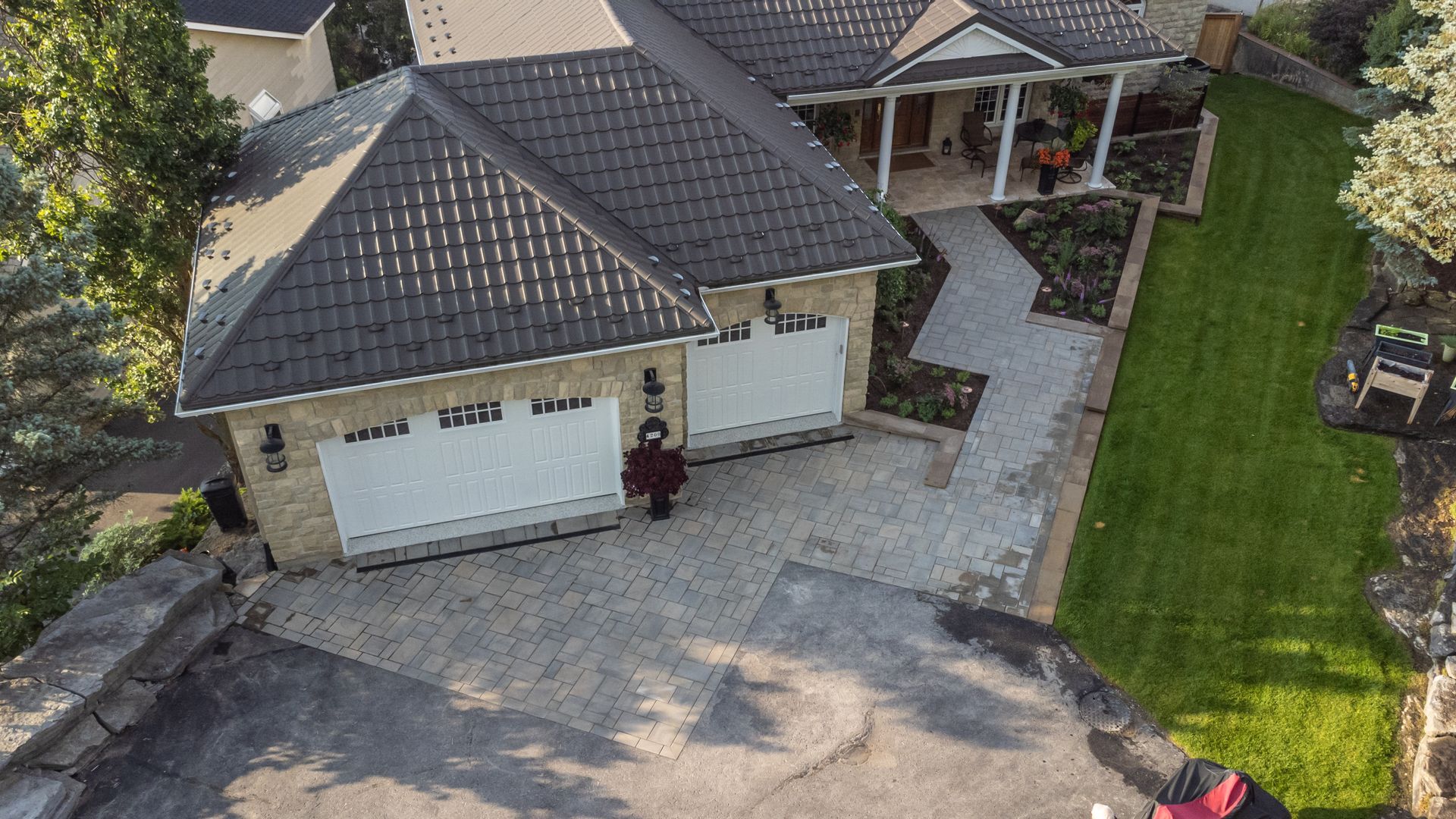
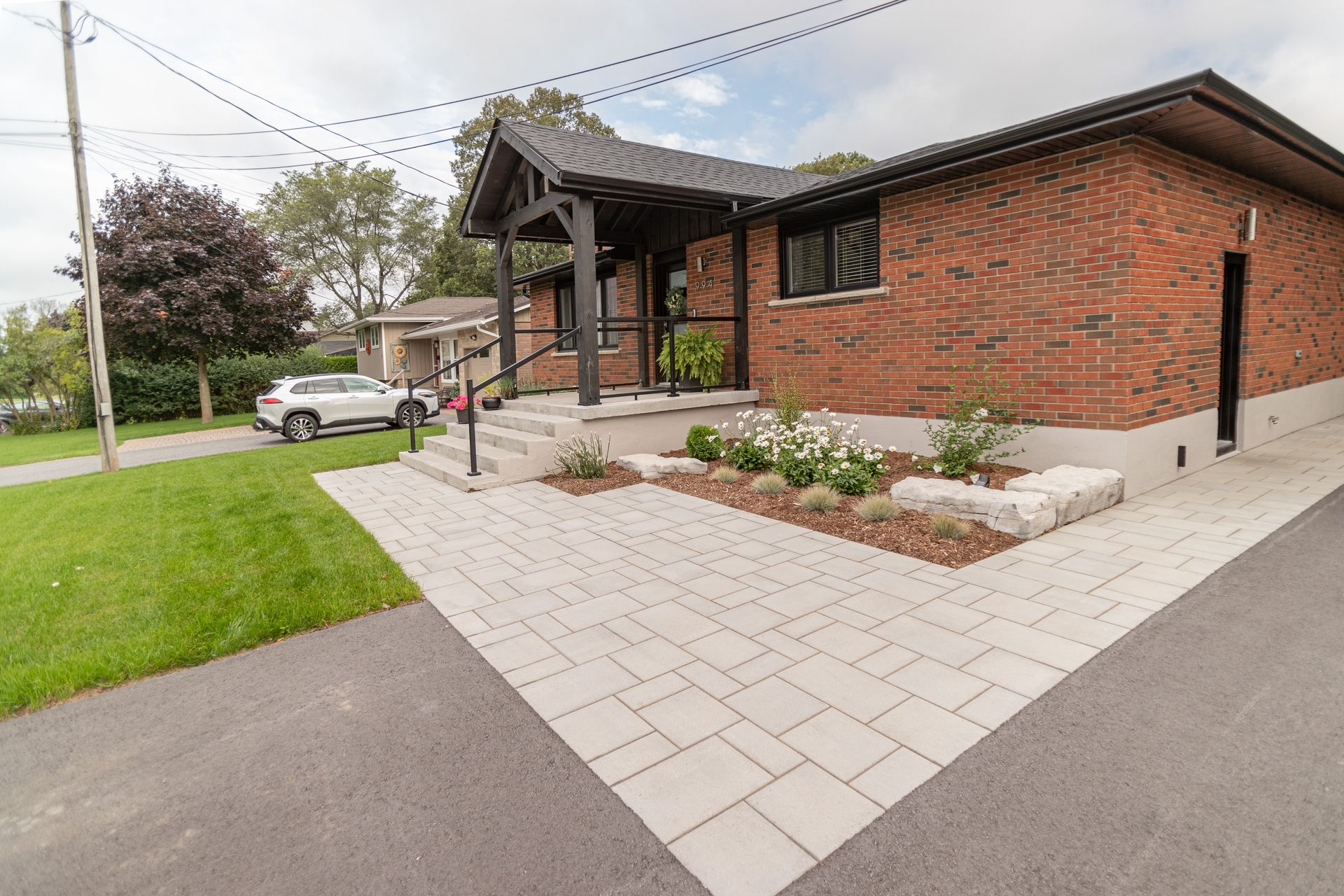
A thoughtfully lit landscape works in harmony with patios, walkways, retaining walls, and planting beds, creating an outdoor environment that feels intentional, welcoming, and secure after dark.
Why Landscape Lighting Matters
Lighting serves several purposes at once. It guides movement, reduces hazards, and defines how outdoor spaces are experienced at night. At the same time, it brings depth and character to features that may go unnoticed during the day.
Key benefits of landscape lighting include:
- Improved visibility along walkways, steps, and entrances
- Increased safety on uneven ground and elevation changes
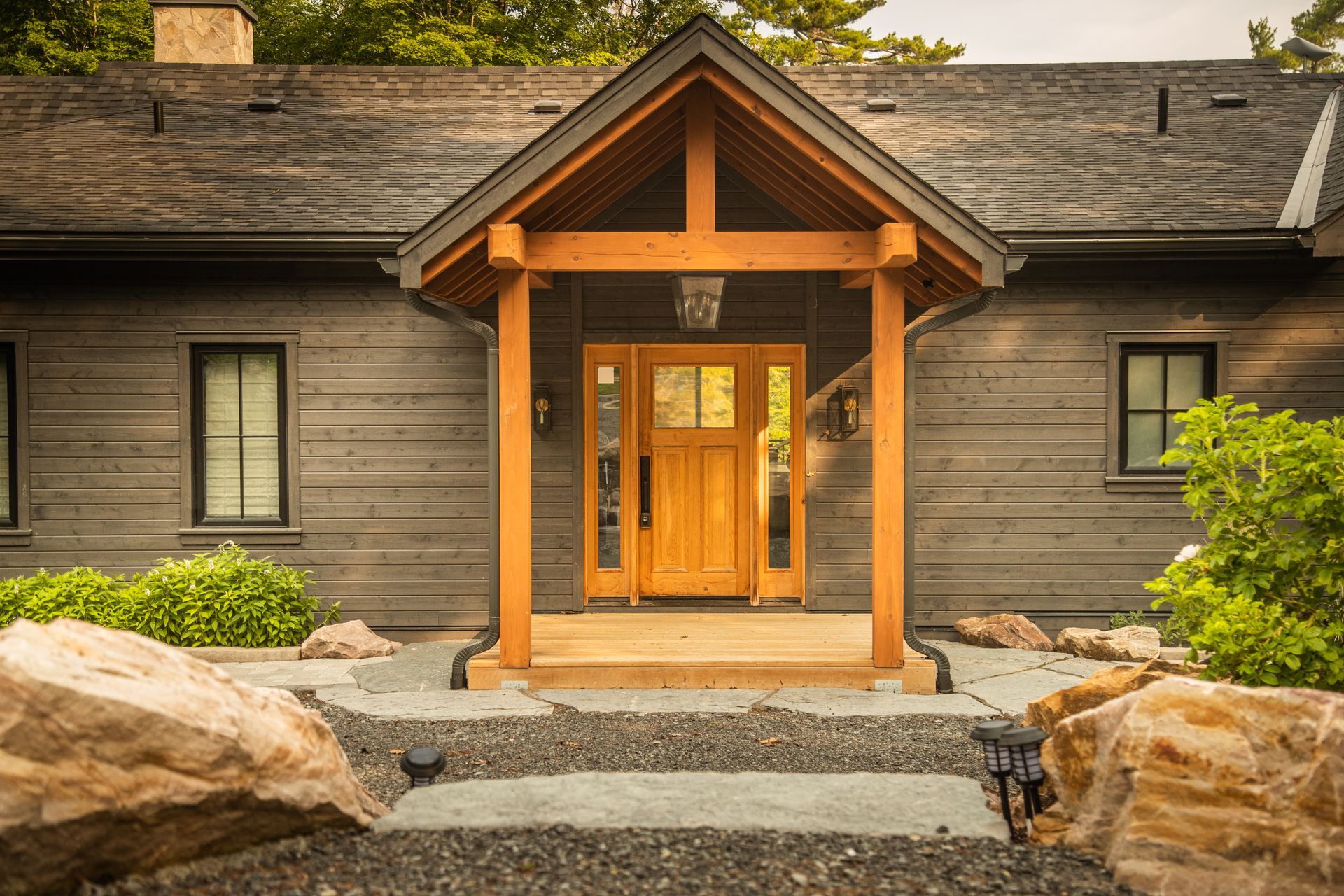
- Highlighting textures, stonework, and plant forms
- Extending the use of patios and seating areas
- Enhancing curb appeal and nighttime presence
When lighting is coordinated with patios, walkways, and stone surfaces, it reinforces the same principles used in durable
hardscape construction, where function and visual continuity work together.
Lighting for Safety and Visibility
Safety is one of the most important reasons to invest in outdoor lighting. Poorly lit areas can become hazards, especially during evenings, early mornings, or winter months when daylight hours are limited.
Areas that benefit most from safety-focused lighting
- Walkways and garden paths
- Steps and stair transitions
- Driveway edges and entry points
- Retaining walls and elevation changes
- Doors and access points
Low-level path lights help guide movement without overwhelming the space. Step lights and wall-mounted fixtures define elevation changes clearly, reducing the risk of trips and falls. This is particularly important on properties with slopes or terraced areas, where lighting supports the same safety considerations used in retaining walls designed for sloped yards.
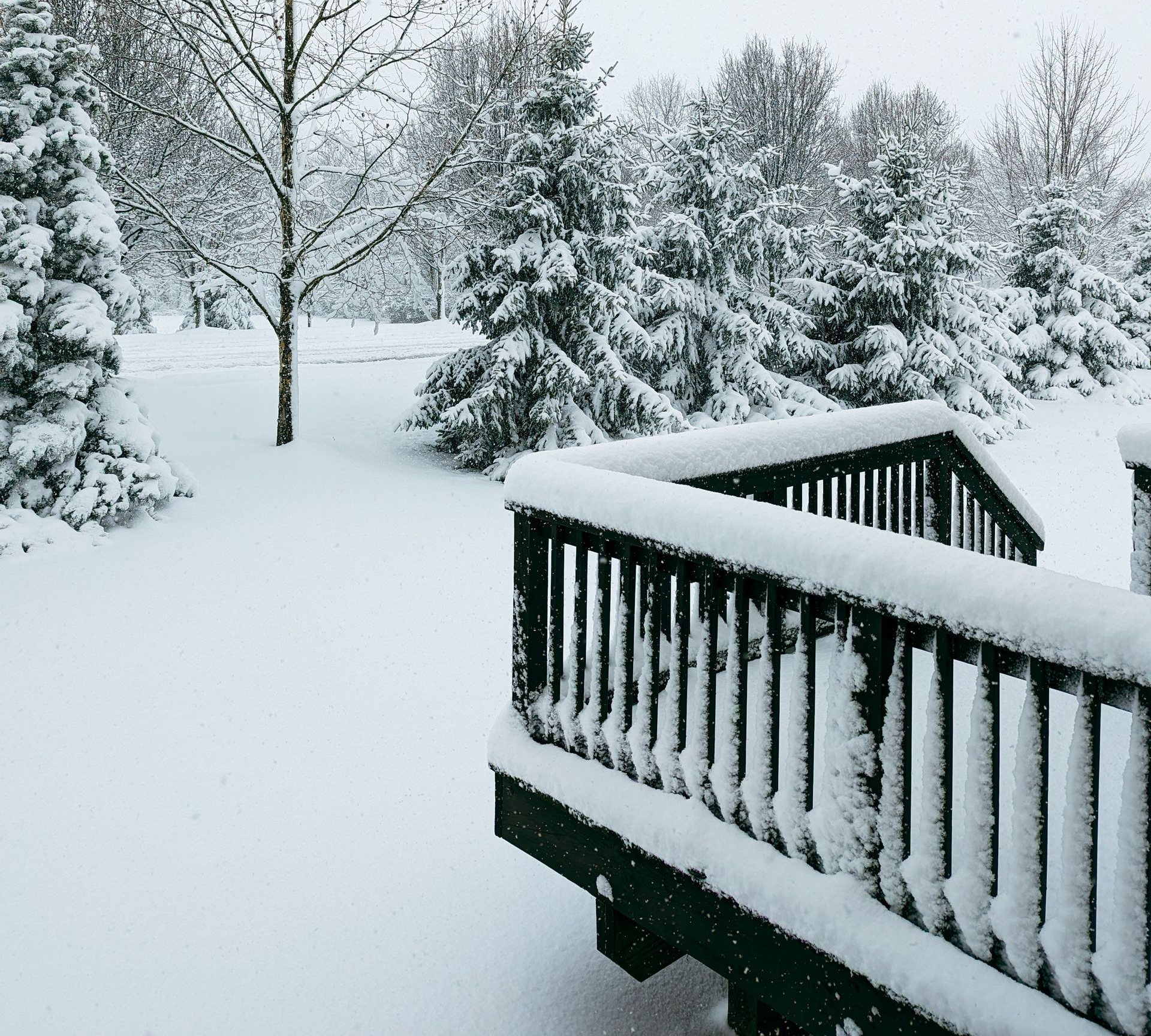
In winter, lighting becomes even more critical. Snow and ice can obscure edges and surfaces, making consistent illumination essential for safe navigation.
Using Lighting to Enhance Design and Visual Impact
Beyond function, landscape lighting dramatically changes how outdoor spaces look and feel at night. Lighting adds depth, reveals texture, and creates focal points that bring the landscape to life after dark.
Design-focused lighting techniques
- Uplighting to highlight trees, stone walls, or architectural features
- Downlighting to create a softer, more natural glow
- Accent lighting to draw attention to garden beds or feature plants
- Wall washing to showcase the texture of stone or concrete surfaces
Lighting can emphasize craftsmanship in stonework, add drama to plantings, and create a layered visual experience. These effects are especially impactful around patios and seating areas, reinforcing the value of well-planned outdoor living spaces that are meant to be enjoyed beyond daylight hours.
Balance is key. Too much light can feel harsh and distracting, while too little can make the space feel unfinished. A layered approach ensures both function and visual interest.
Extending the Use of Outdoor Living Areas
Outdoor lighting allows patios, decks, and gathering spaces to remain usable well into the evening. Without proper lighting, these areas often go unused after sunset, regardless of how thoughtfully they are designed.
Lighting considerations for outdoor living spaces
- Soft ambient lighting for seating and dining areas
- Task lighting near outdoor kitchens or preparation zones
- Perimeter lighting to define edges and transitions
- Integrated lighting within steps or borders
Lighting transforms patios into true extensions of the home, supporting entertaining, quiet evenings, and seasonal gatherings. When coordinated with layout and materials, lighting adds long-term value by increasing how often the space is used.
Lighting Retaining Walls and Grade Changes
Retaining walls often play both a structural and visual role in the landscape. At night, they also become key elements for safety and navigation.
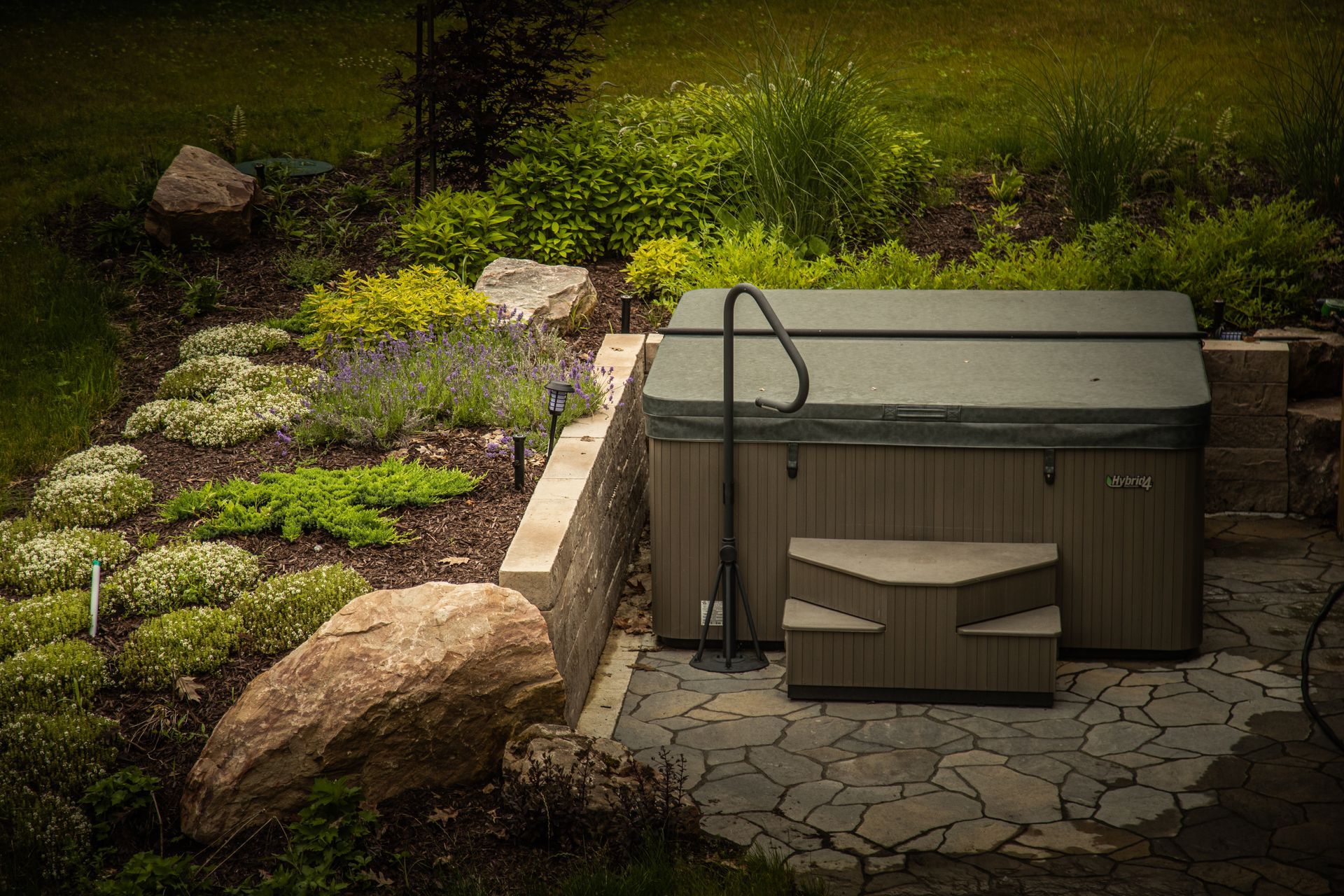
Integrated wall lighting or low-profile fixtures help define edges and elevation changes without overpowering the space. This improves visibility while highlighting the texture and craftsmanship of the wall itself. On multi-level properties, lighting helps guide movement and reinforces how different areas of the yard connect.
When retaining walls are part of a broader landscape plan, lighting supports both their function and their visual impact.
Energy Efficiency and Fixture Selection
Modern landscape lighting prioritizes efficiency, durability, and long-term performance. LED fixtures are now the standard, offering low energy use, long lifespan, and consistent output in outdoor conditions.
Natural Resources Canada outlines how energy-efficient lighting reduces operating costs while maintaining strong performance
What to consider when selecting fixtures
- Outdoor-rated materials suited to Canadian climates
- Proper ingress protection ratings for moisture exposure
- Warm light temperatures for residential settings
- Shielded fixtures to reduce glare and light spill
Electrical safety is equally important. CSA Group provides guidance on outdoor lighting standards and installation requirements in Canada.
Choosing the right fixtures ensures the lighting system performs reliably through seasonal changes with minimal maintenance.
Seasonal Considerations for Landscape Lighting
Seasonal conditions affect how lighting is used and experienced throughout the year.
- In winter, lighting improves visibility during longer nights and highlights snow-covered features.
- In spring and summer, lighting extends usable hours and enhances outdoor gathering spaces.
- In fall, lighting supports safe movement during earlier sunsets and showcases changing foliage.
Fixtures should be positioned with snow accumulation, plant growth, and maintenance access in mind. Long-term planning ensures lighting remains effective year-round.
Landscape Ontario offers guidance on best practices for outdoor lighting in Canadian landscapes.
Outdoor landscape lighting brings together safety, function, and visual appeal in a way few other elements can. When planned thoughtfully, lighting improves visibility, highlights craftsmanship, and extends the enjoyment of outdoor spaces well beyond daylight hours.
For homeowners considering new lighting or upgrades to existing systems, professional planning helps ensure proper placement, balance, and long-term performance. Mark of Excellence Landscaping can assist with lighting solutions that integrate seamlessly with patios, walkways, retaining walls, and garden spaces, creating an outdoor environment that performs as well at night as it does during the day.