Fall Landscaping: What to Do Now and What Can Wait Until Spring
As summer winds down, it can feel like the window for landscaping is closing. In reality, fall is still a productive season for many outdoor projects in Ontario.
Cooler temperatures, warmer soil, and more consistent moisture can make fall particularly useful for planting and improving garden areas. It's also a good time to identify problems that became obvious over the summer and decide what should be addressed before winter.
That does not mean every project needs to be rushed into September or October. Some work benefits from being completed now, while other improvements are better planned through fall and winter for construction the following spring.
Knowing the difference can help homeowners spend their time and budget where it will have the greatest impact.
Take Advantage of Fall for Trees, Shrubs, and Perennials
One of the strongest reasons to keep landscaping into fall is planting.
Soil often remains warm well after daytime temperatures begin cooling. That gives many trees, shrubs, and perennials an opportunity to establish roots without facing the same heat stress they would experience during the middle of summer.
The City of Guelph notes that many perennials, shrubs, and trees prefer fall planting because the soil remains warm, rainfall is typically more frequent, and less supplemental watering may be required while plants establish.
Professional softscaping services can also help match plant selection to sunlight, soil conditions, available space, and Kingston’s climate rather than choosing plants based solely on how they look at the nursery.
Newly installed plants still need attention. Watering should continue when conditions are dry, particularly for trees and shrubs that have not yet established extensive root systems.
Use Fall to Improve Garden Beds
Fall is an excellent time to look critically at garden beds because an entire growing season has just revealed what is working.
Overcrowded plants are easier to identify. Bare areas are obvious. Plants that struggled with too much shade, poor soil, or excessive moisture have had months to show it.
This creates an opportunity to divide appropriate perennials, improve soil, adjust planting layouts, and make room for better-suited species.
The Ontario Invasive Plant Council’s Grow Me Instead guide for Southern Ontario is especially useful when replacing ornamental plants that have invasive tendencies, providing alternatives that offer similar landscape value without the same ecological concerns.
Healthy planting starts beneath the surface. Understanding
how soil affects drainage and plant health can help determine why certain areas of a garden consistently outperform others.
Give Young Trees and Plants Attention Before Winter
Plants heading into their first winter deserve particular attention.
Young trees and shrubs may still have relatively limited root systems, which makes adequate moisture important as temperatures begin to fall. A dry September or October can leave plants stressed before winter even arrives.
For southeastern Ontario, the Ontario Tree Atlas recommends planting trees in the fall if possible, giving roots more time to establish before dry conditions arrive the following season.
Newly planted trees and shrubs should also be monitored as temperatures cool. Watering may still be necessary during dry stretches, and a properly applied layer of mulch can help retain soil moisture and moderate changing soil temperatures.
Inspect Hardscapes While Problems Are Still Visible
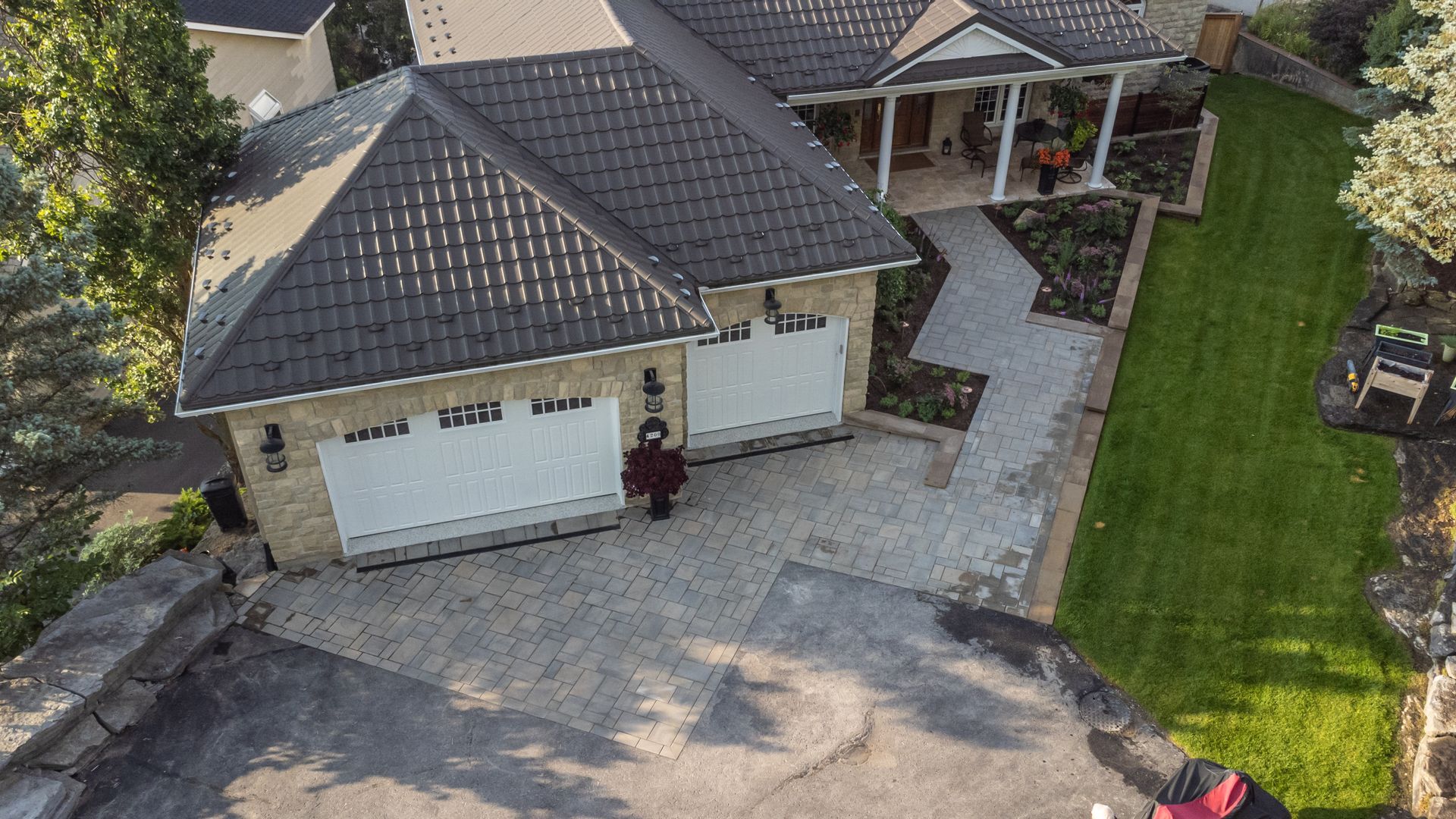
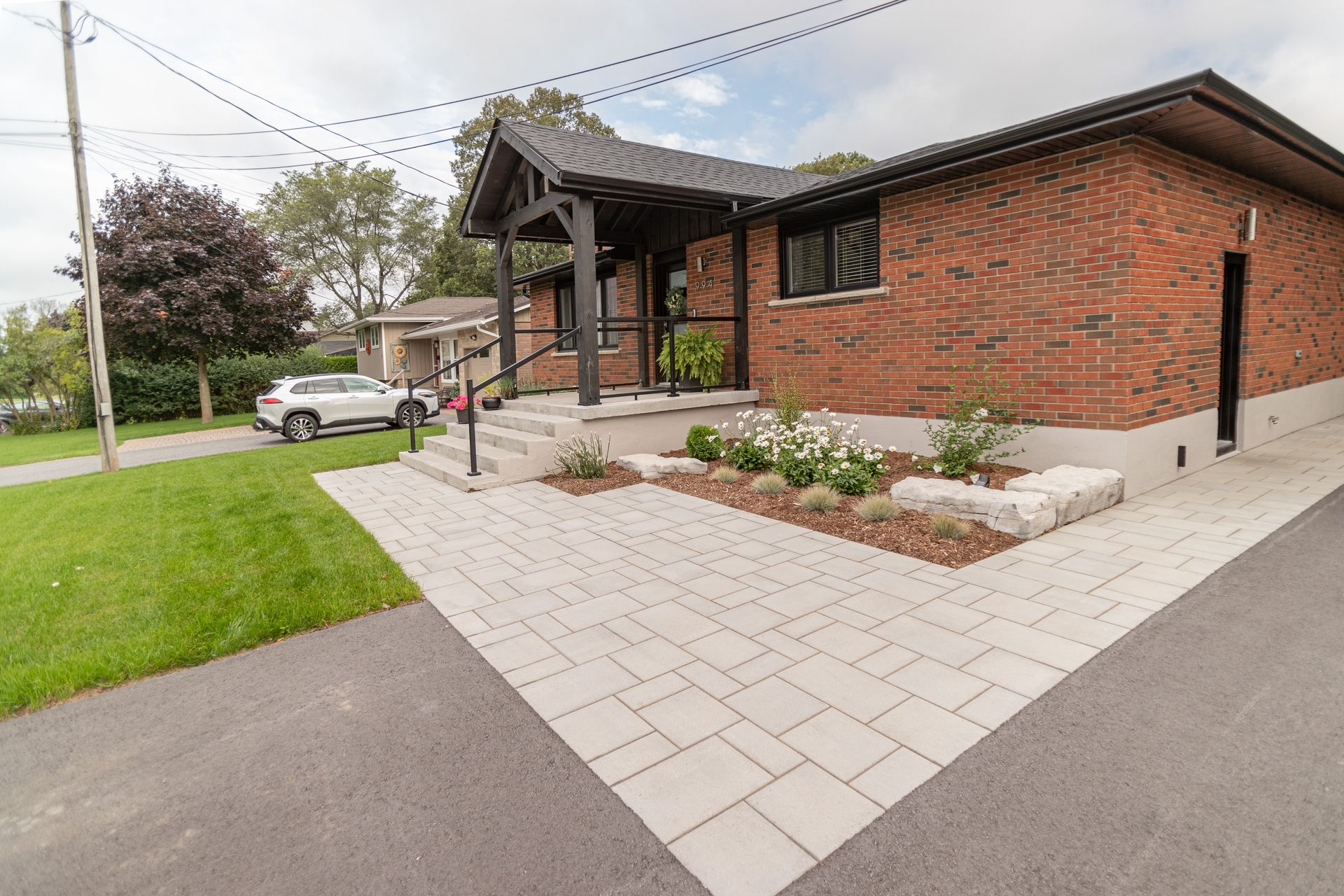
Fall is useful for more than planting. It is also one of the last opportunities to get a clear look at patios, walkways, steps, and retaining walls before snow covers the property.
Pay attention to pavers that have shifted or settled, areas where water collects after rainfall, erosion around edges, loose steps, and movement in retaining walls. Small changes can reveal drainage or groundwork issues that may become more noticeable after another winter of freezing and thawing.
A seasonal approach to landscape care can help identify these changes early and give homeowners time to decide what requires attention now and what can be incorporated into a future project.
Not every issue requires immediate reconstruction. Identifying it now gives you a baseline to compare against once the snow melts.
Finish Practical Maintenance Before Freeze-Up
Some fall tasks are less exciting than adding a new garden or patio, but they can make a noticeable difference when spring arrives.
Drainage routes should be kept clear of heavy leaf buildup and debris. Weeds that are about to go to seed can be removed, exposed garden soil can be protected with appropriate mulch, and hoses or seasonal irrigation components can be prepared for freezing temperatures.
Garden cleanup does not need to mean removing every trace of the growing season. Healthy plant material can provide structure and winter interest, while diseased or problematic material may be better removed.
The goal is to leave the landscape prepared for winter without unnecessarily stripping garden beds bare.
Some Projects Are Better Planned Now and Built Later
Fall enthusiasm can make it tempting to squeeze every landscaping idea into the remaining construction season, but larger projects do not always benefit from being rushed.
A complete backyard redesign, major patio installation, complicated grade change, or multi-feature landscape may require decisions about drainage, access, materials, planting, budget, and construction sequencing before work begins.
Fall and winter provide time to work through those details so the project is ready when favourable construction conditions return.
Taking the time to evaluate how the property performed throughout the summer can also reveal useful information. Areas that were rarely used, places that lacked shade or privacy, drainage problems after heavy rain, and awkward traffic patterns can all influence the eventual design.
Save Some Planting Decisions for Spring
Fall planting has real advantages, but not every plant should go into the ground late in the season.
Tender species, plants that are poorly suited to local winter conditions, or installations happening very close to freeze-up may be better postponed. The same applies to certain pruning tasks.
Waiting until spring can also make sense when a garden requires major restructuring and there is not enough time left for newly installed material to establish properly.
The decision should depend on the plant, the weather, and site conditions rather than a blanket rule that all fall planting is good or all spring planting is better.
Use Fall to Set Up Next Spring
One of the most valuable things homeowners can do in fall is simply pay attention.
Look at where the backyard felt too exposed. Notice which garden beds struggled. Watch where water travels during autumn rain. Identify patio or walkway areas that shifted. Think about which spaces were used constantly during summer and which were mostly ignored.
Those observations make future landscaping decisions considerably easier.
Fall does not have to be treated as the end of the outdoor season. It can be a productive time to complete planting, improve garden areas, address maintenance, and identify the projects that deserve more planning before spring.
The goal is not to complete everything before winter. It is to use the season well, tackle the work that benefits from being done now, and give larger projects the preparation they deserve.