Heated Driveways in Kingston: How They Work and When One Makes Sense
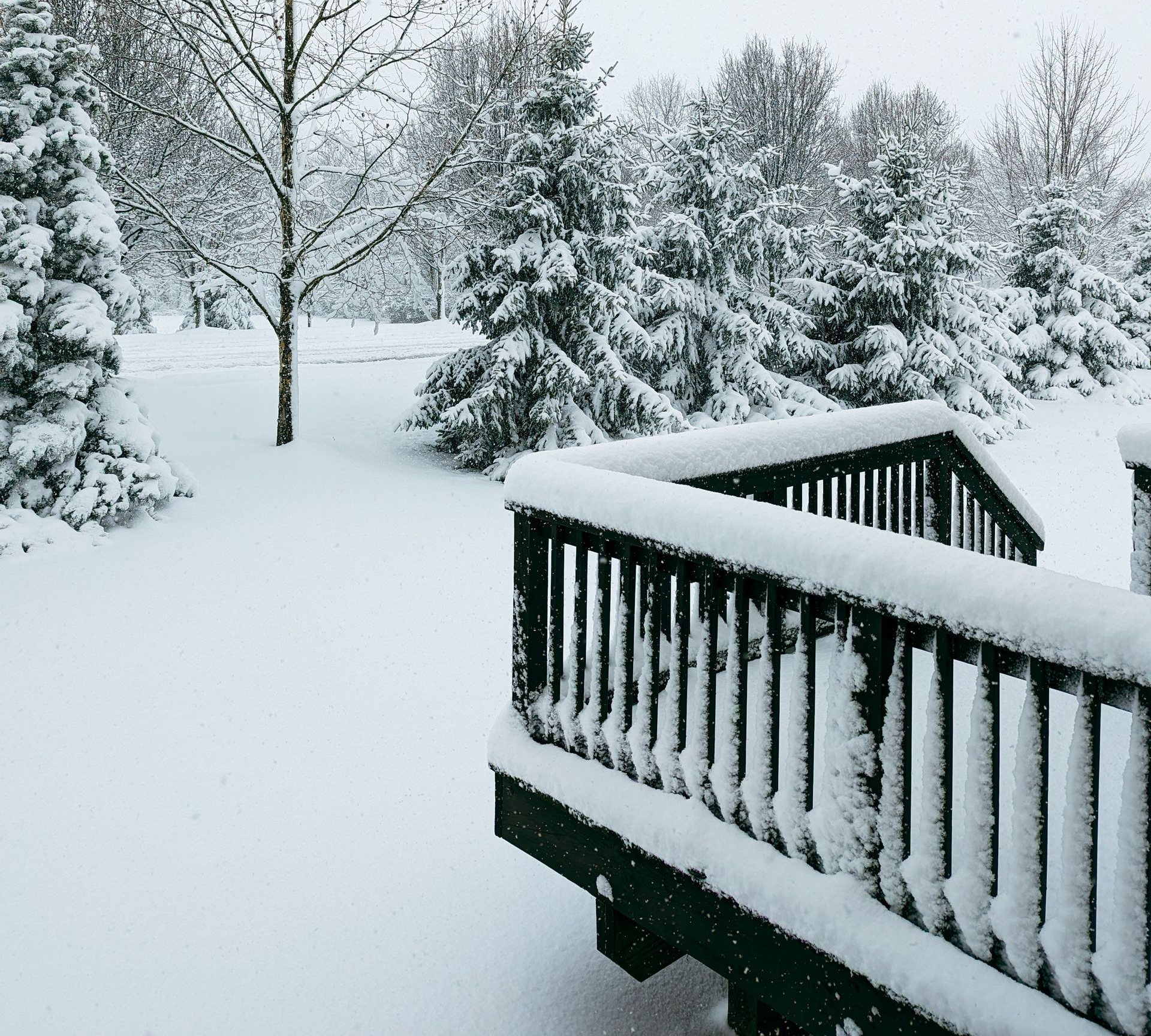
The first real snowfall in Kingston is usually only a few weeks away by mid-October. For a lot of homeowners, that means another season of early-morning shovelling, waiting on the plow and scattering salt on the front steps. A heated driveway takes most of that off your plate. It is not the right fit for every home, but for the right property it can change how you feel about winter.
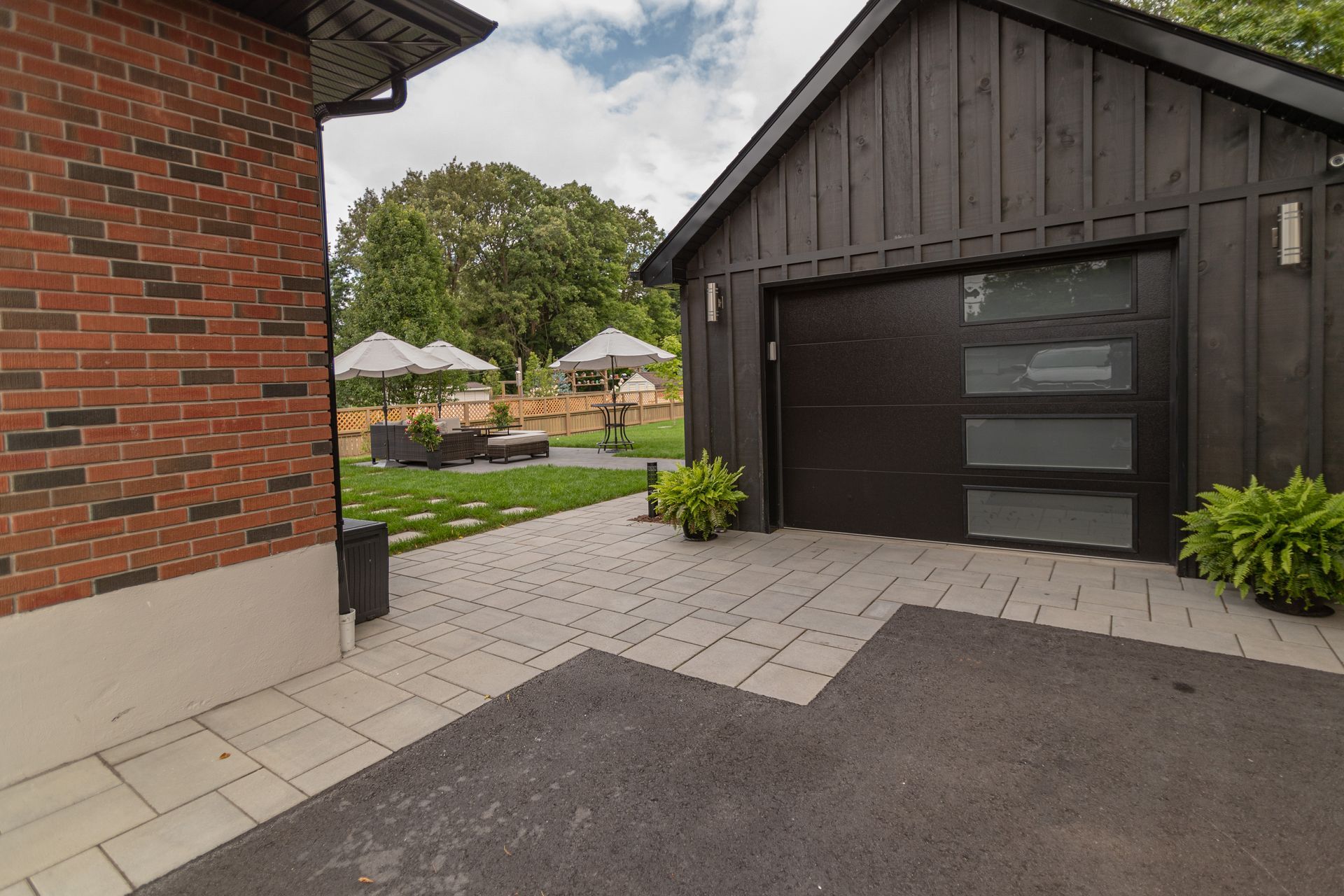
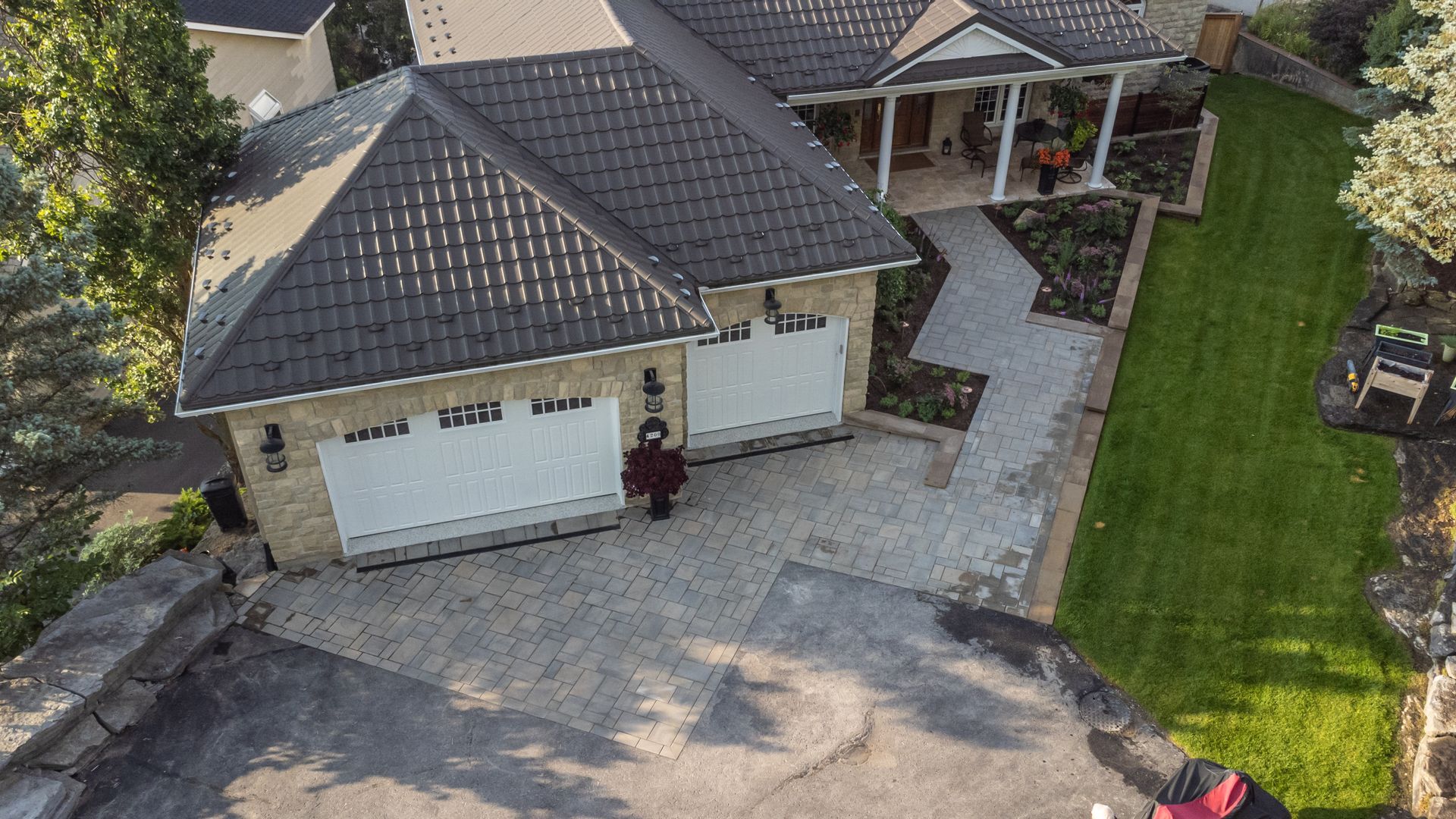
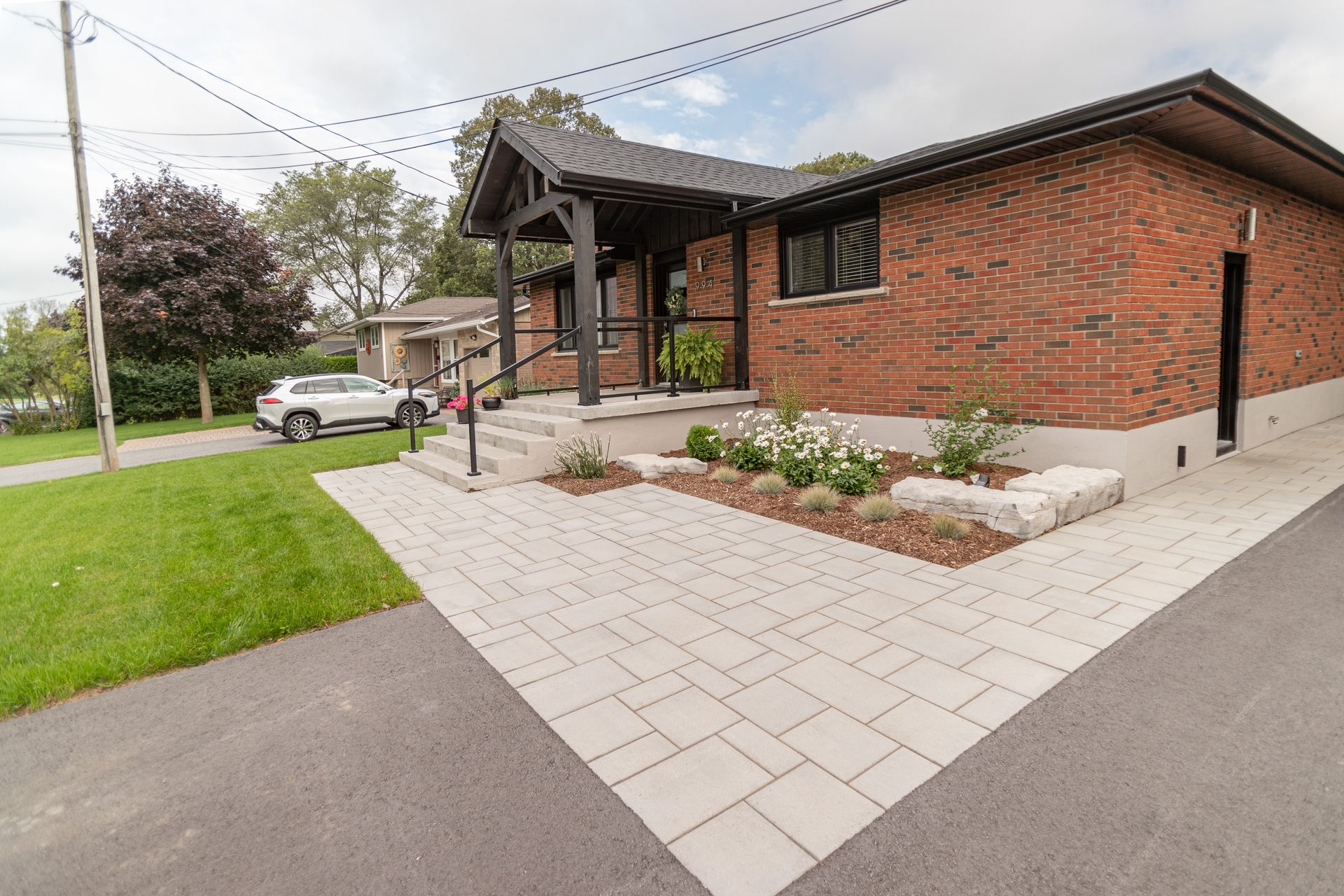
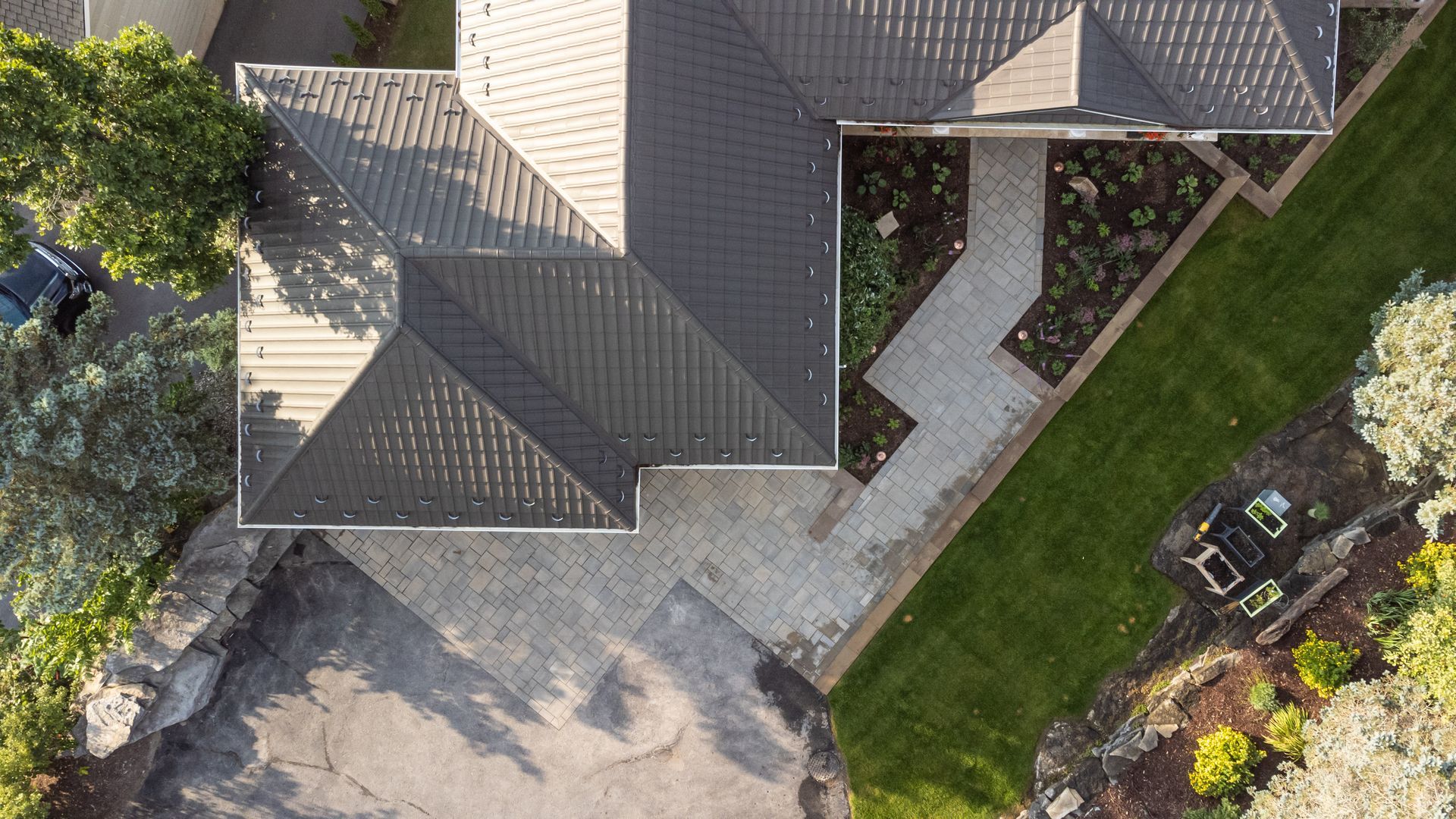
We installed a heated driveway as part of our Bath Road project, along with a new walkway and a custom drainage system. Here is what we have learned about how these systems work and what they need to perform well.
How a Heated Driveway Works
A heated driveway has a heating system built into the layers beneath the surface. When the system detects cold temperatures and moisture, it turns on and warms the surface just enough to melt snow and ice as it lands. Once the driveway is clear and dry, it shuts off again.
Most systems use an automatic sensor, so you do not need to remember to switch anything on before a storm. Some homeowners also add a manual switch for occasional use.
Electric vs. Hydronic Systems
There are two main types of heated driveway systems.
- Electric systems use heating cables or mats installed under the surface. They are simpler to install and need less equipment, which usually makes them the lower upfront option. Operating costs depend on your hydro rates and how often the system runs.
- Hydronic systems circulate a heated fluid through tubing under the surface, warmed by a boiler. They take more equipment and planning to install, but they can be efficient to run, especially on larger areas.
The right choice depends on the size of the area, your home's existing systems and how you plan to use it. An electrician or heating contractor confirms that your home can support the system before anything is installed.
You Do Not Have to Heat the Whole Driveway
Heating every square metre is not always necessary. Many homeowners choose to heat only the areas that matter most:
- Two tire tracks up the length of the driveway
- The front walkway and steps
- A steep section where cars tend to slip
- The landing area in front of the garage
Heating smaller zones lowers the cost to install and run, while still taking care of the spots that cause the most trouble in winter.
Drainage Matters More Than You Might Think
Melted snow has to go somewhere. If the water runs onto a lawn that is already frozen, pools at the bottom of the driveway or flows toward the house, it can refreeze into ice or cause problems near your foundation.
That is why we plan drainage alongside the heating system. On the Bath Road project, the custom drainage system was just as important as the heated surface itself. Proper slope, a well-built base and a clear path for meltwater keep the whole system working the way it should.
Why Heated Interlock Works Well
Interlocking pavers pair well with a heated system. The pavers sit on a carefully prepared base, and the joints between them allow a little movement during freeze and thaw. If a section ever needs attention, pavers can be lifted and reset rather than cut out and patched.
A heated surface also means less salt and less plow traffic, which is easier on your pavers over time. Our article on protecting interlock from snow removal damage explains why that matters.
Is a Heated Driveway Right for Your Home?
A heated driveway is worth considering when:
- Your driveway is steep or tends to get icy
- You want safer footing for older family members or anyone with mobility concerns
- You are already planning to replace your driveway or walkway
- You want to cut back on salt and avoid plow damage
- You plan to stay in your home for many years
The key point is timing. A heating system is installed beneath the surface, so the best time to add one is when you are building a new driveway or replacing an old one. Adding it later usually means removing the surface and starting again.
What Affects the Cost
Cost depends on the size of the heated area, the type of system, the surface material and the condition of the site. Excavation, base preparation and drainage all play a role. We provide a personalized quote after looking at your property, and our guide to landscaping costs in Kingston covers the bigger picture.
Plan This Winter, Build in the Spring
Fall and winter are a great time to plan a driveway project. You have time to look at options, set a budget and get on the schedule before the spring rush. If a heated driveway is on your wish list, contact Mark of Excellence Landscaping to book a consultation. We will look at your property, talk through the options and help you decide if heated is the right call.