Interlock, Concrete or Asphalt: Which Driveway Holds Up Best in Kingston Winters?
Your driveway takes more abuse than almost any other part of your property. In Kingston, it deals with months of freezing and thawing, road salt tracked in on tires, plow blades and the weight of vehicles every day. If you are planning a new driveway next year, the material you choose will shape how it looks and how it holds up for years to come.
Here is how the three most common options compare in our climate.
Why Kingston Winters Are Hard on Driveways
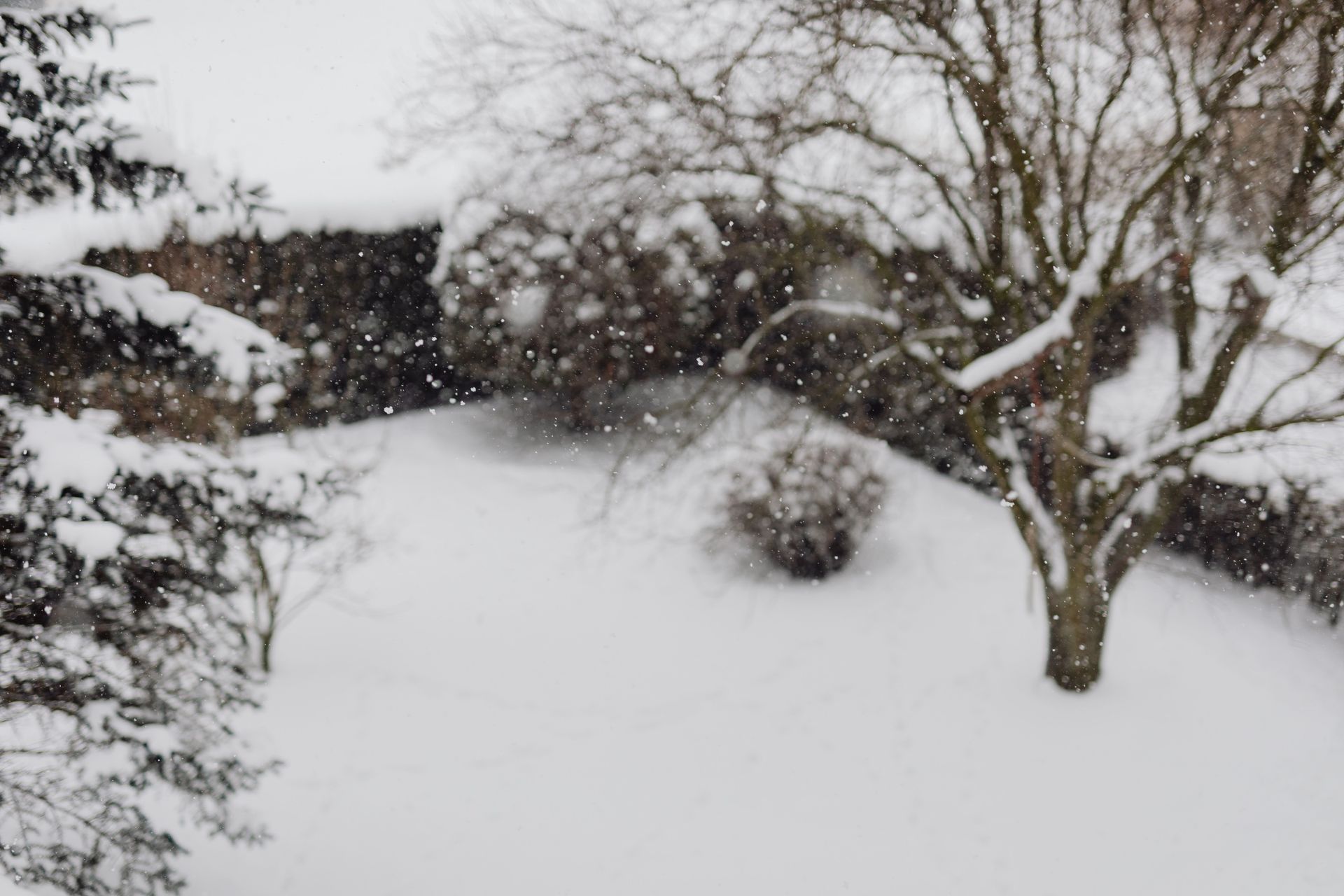
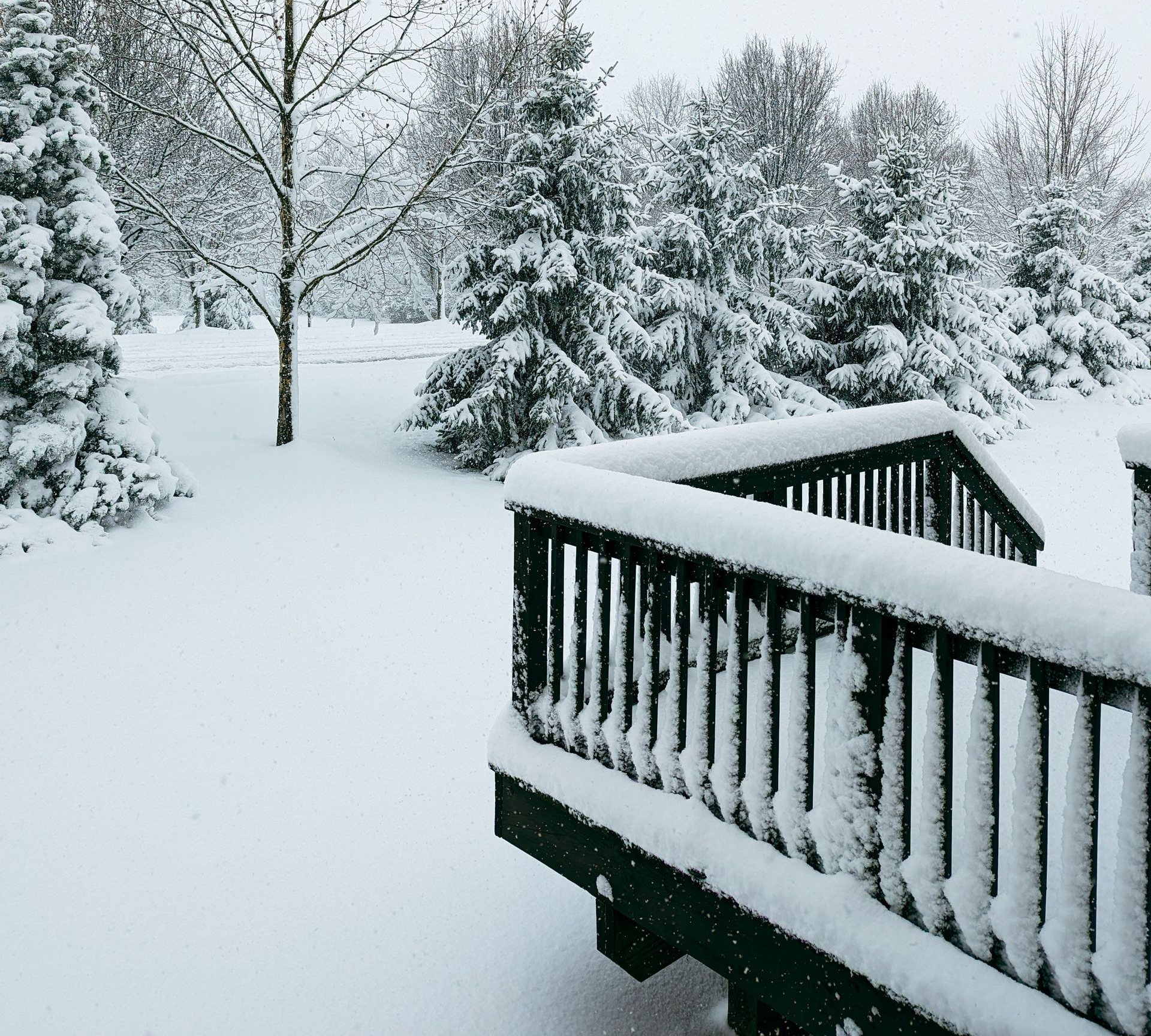
Water is the real problem. It seeps into small cracks and pores, freezes, expands and then thaws again. Over a winter, that cycle can repeat dozens of times. Add salt and the pressure of snow removal, and surfaces that look fine in October can show cracks, heaving or flaking by April.
Our article on what the freeze-thaw cycle does to your patio explains the process in more detail. The same forces apply to your driveway.
Asphalt
Asphalt is common across the Kingston area, and for good reason. It is usually the lowest-cost option to install, and its dark colour helps snow melt a little faster on sunny days.
- Freeze-thaw: Asphalt has some flexibility, but cracks still form over time and let water in.
- Maintenance: It needs sealing every few years and crack filling as the surface ages.
- Repairs: Patches are possible, but they rarely blend in with the original surface.
- Appearance: Functional and simple, with fewer design options.
Poured Concrete
Concrete is strong and gives a clean, uniform look. It can be a good choice when it is installed well and maintained carefully.
- Freeze-thaw: Concrete is rigid, so ground movement can lead to cracks. Control joints help direct where cracks form, but they do not prevent them.
- Salt: De-icing salt can cause the surface to flake or scale, especially in the first few winters.
- Repairs: Cracked sections are hard to repair invisibly and often need to be cut out and replaced.
- Appearance: Clean and modern, with options for colour and stamping.
Interlocking Pavers
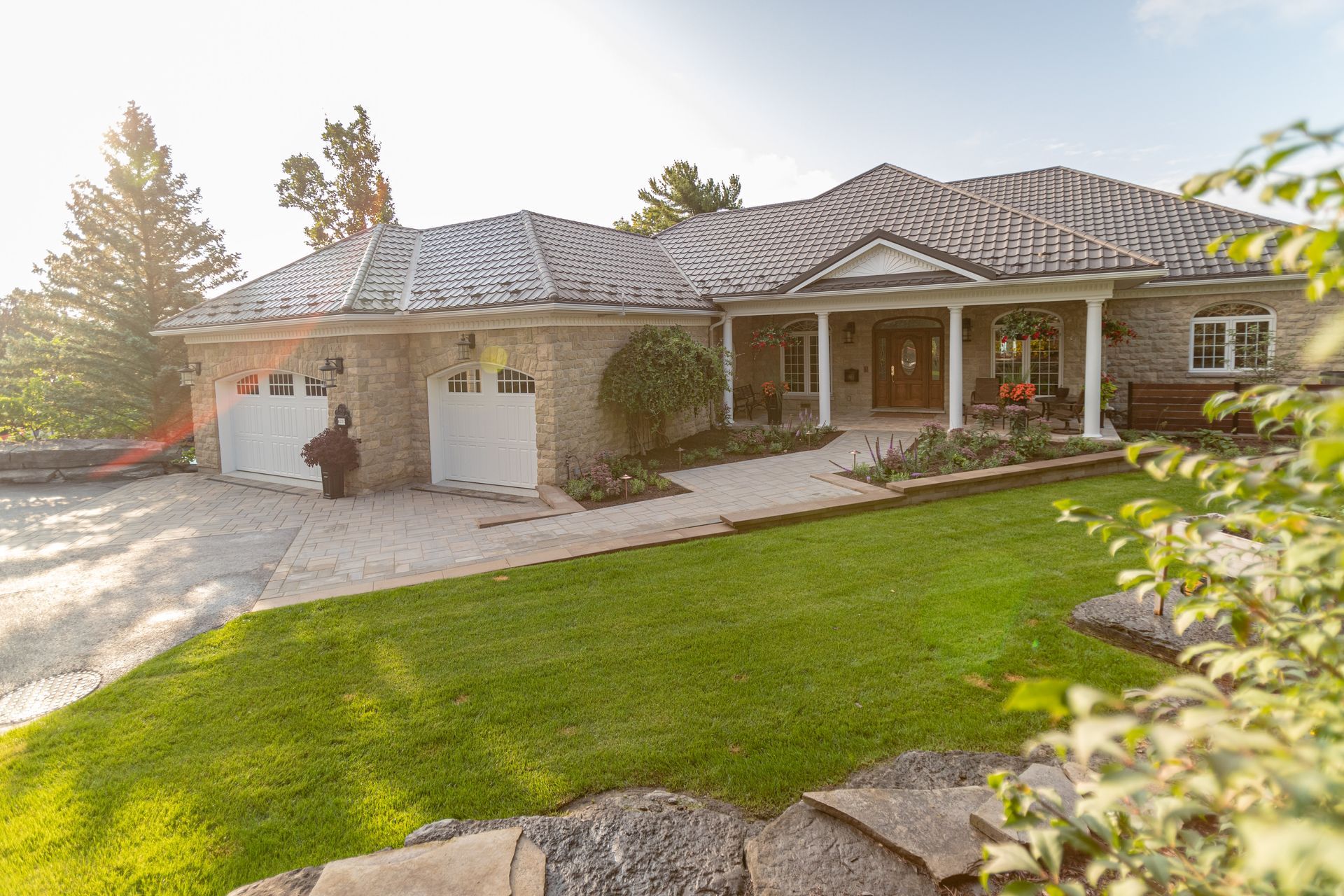
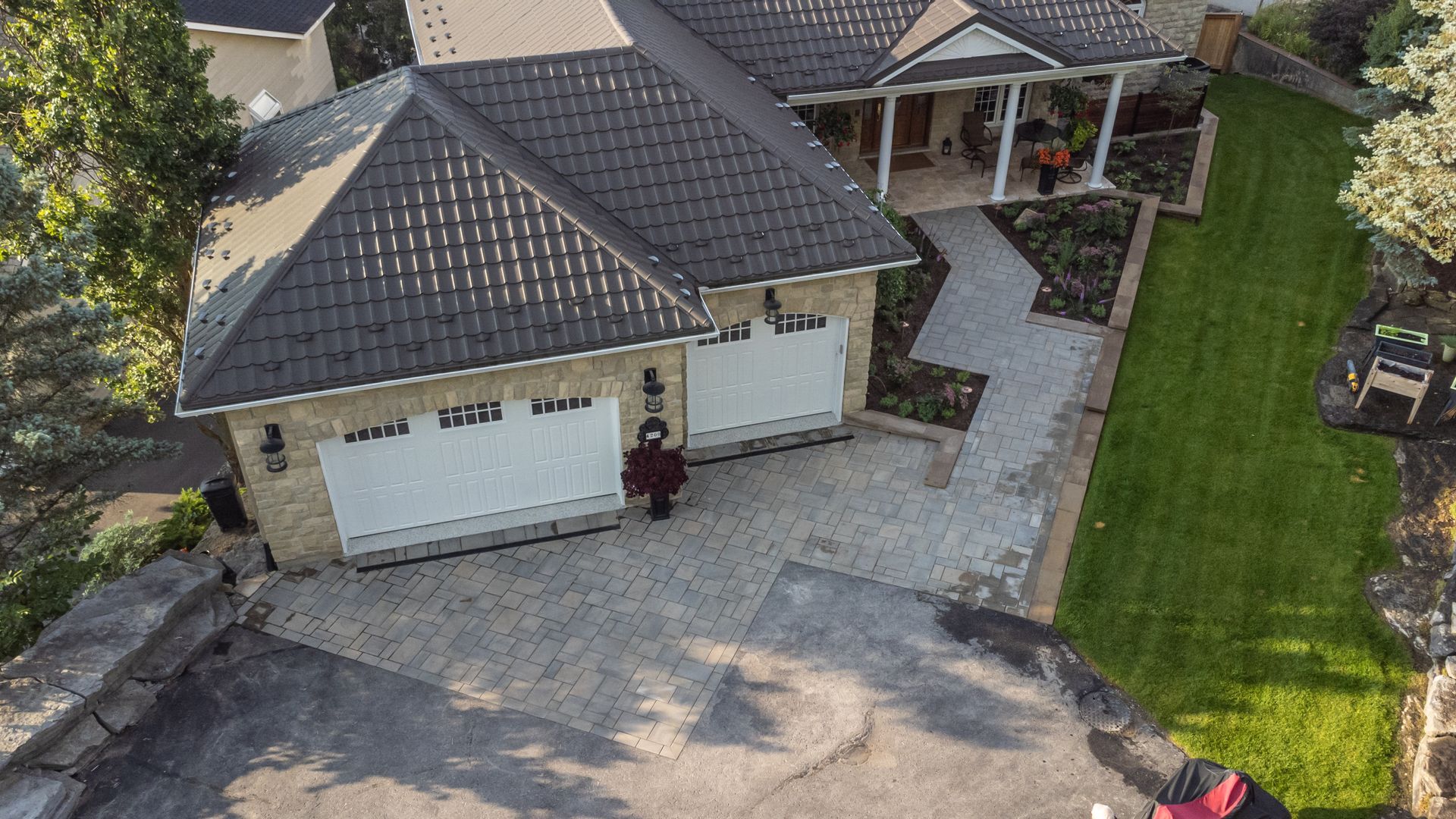
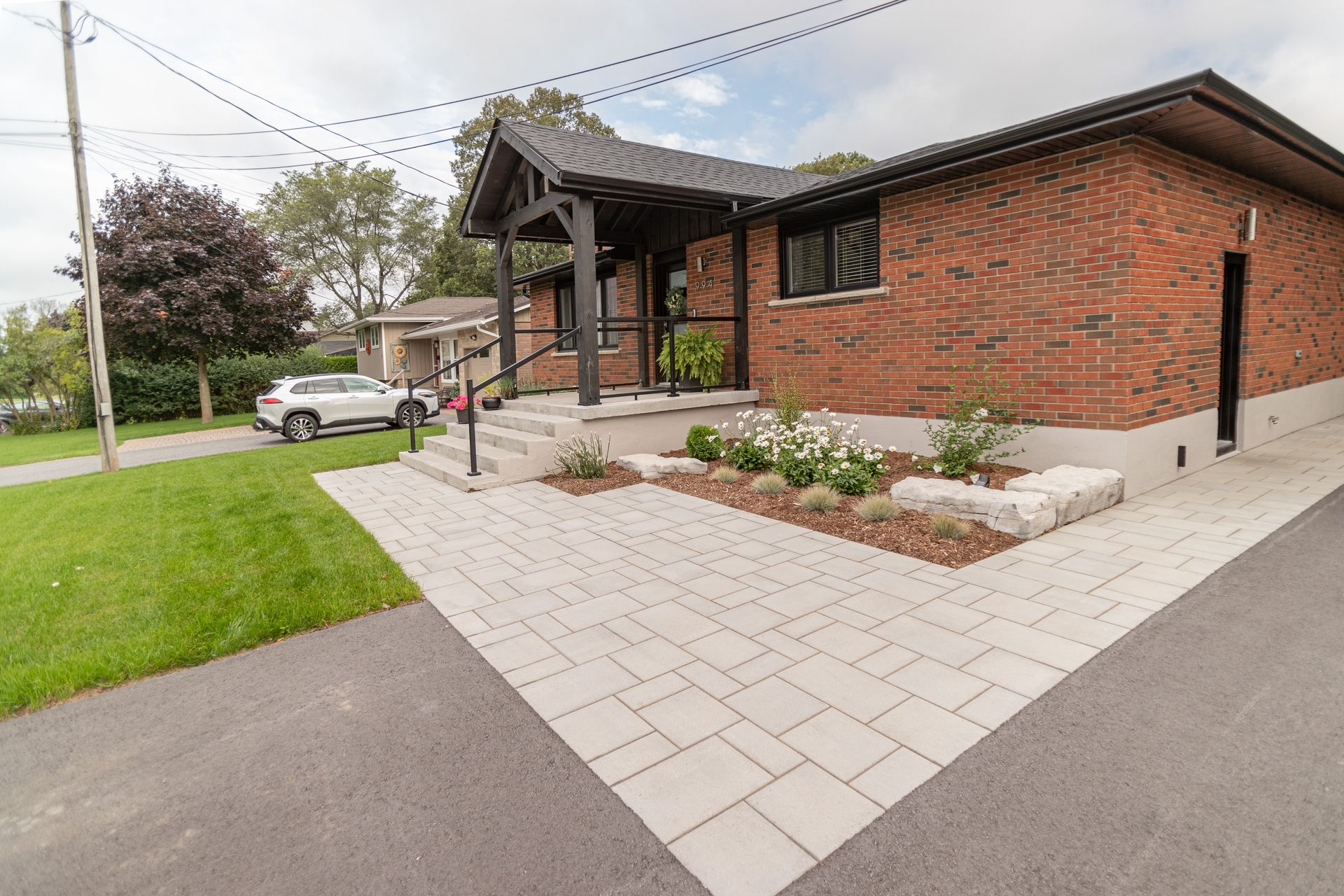
Interlock is made up of individual pavers set on a compacted base, with joints between each one. That design is what makes it so well suited to our climate.
- Freeze-thaw: The joints allow the surface to move slightly with the seasons without cracking.
- Salt: Quality pavers are dense and strong, which helps them stand up to winter conditions.
- Repairs: Individual pavers can be lifted and reset, so repairs blend in with the rest of the driveway.
- Appearance: The widest range of colours, textures and patterns to suit your home.
The trade-off is upfront cost. Interlock usually costs more to install than asphalt, but many homeowners find the lifespan, easy repairs and curb appeal worth the investment.
The Base Matters More Than the Surface
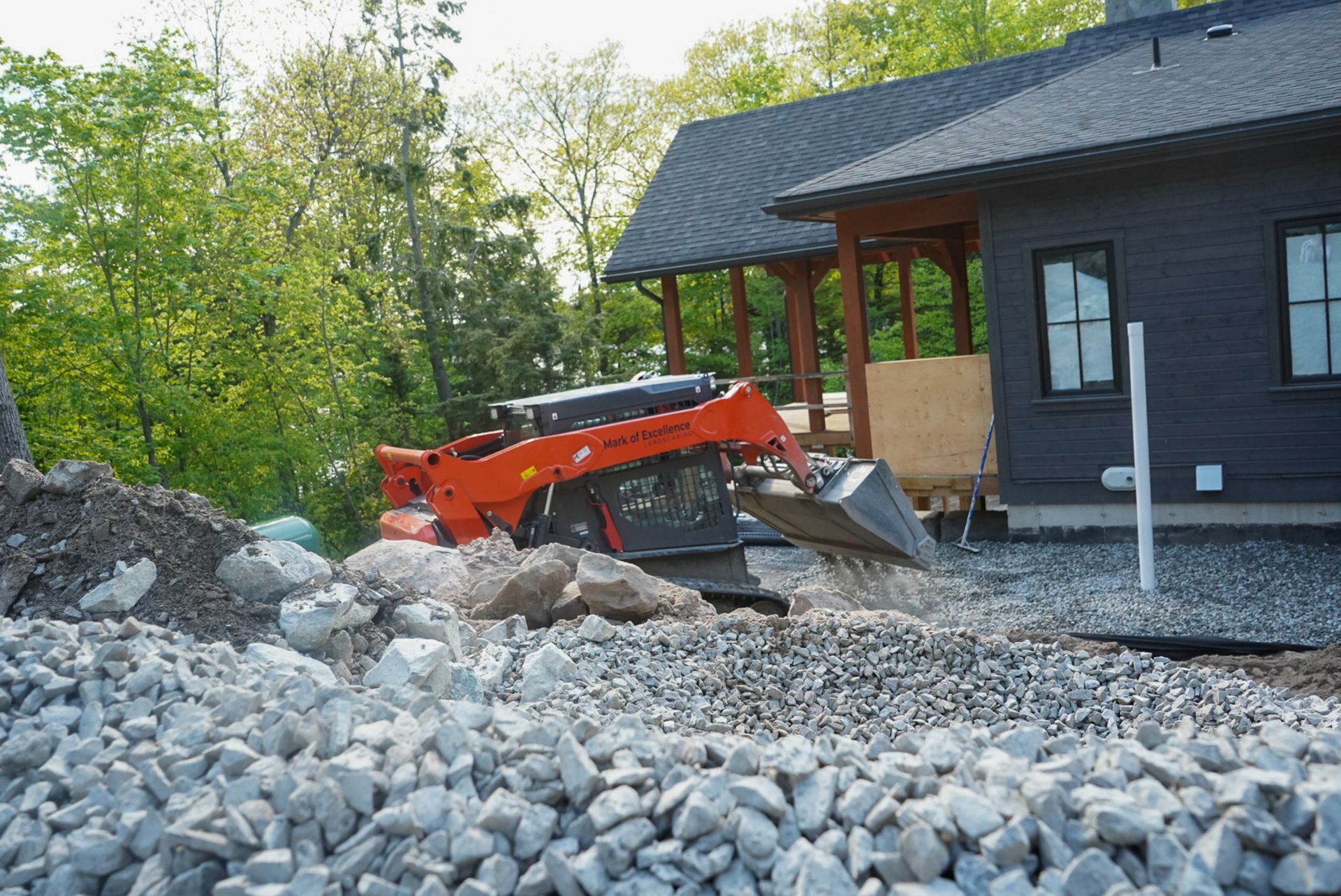
Every one of these materials can fail early if what sits underneath is not built properly. The depth of excavation, the type and compaction of the gravel base and the way water drains off the driveway decide how well any surface holds up through freeze and thaw.
Mark holds his Interlock Concrete Paving Institute (ICPI) certification, and base preparation is the part of a driveway project we never rush. It is what keeps a new driveway level and solid for years.
Caring for Your Driveway This Winter
Whatever surface you have now, a few habits help it last:
- Clear snow early, before it packs down into ice
- Use plastic-edged shovels and set snowblower and plow blades slightly above the surface
- Use de-icers sparingly and choose products suited to your surface
- Watch for spots where meltwater pools and refreezes
Our guide on protecting interlock from snow removal damage has more tips.
Planning a New Driveway?
The best driveway for your home depends on your budget, your style and how long you plan to stay. If you are thinking about replacing your driveway next season, reach out to Mark of Excellence Landscaping. We will look at your property, explain your options honestly and help you choose a driveway built for Kingston winters.