Why Fall Is a Great Time for Sod Installation in Kingston
Most homeowners think of spring when they picture a new lawn. In Kingston and the surrounding area, fall is often the better season. The heat of summer has passed, rain is more reliable, and the soil is still warm enough for new roots to grab hold before the ground freezes.
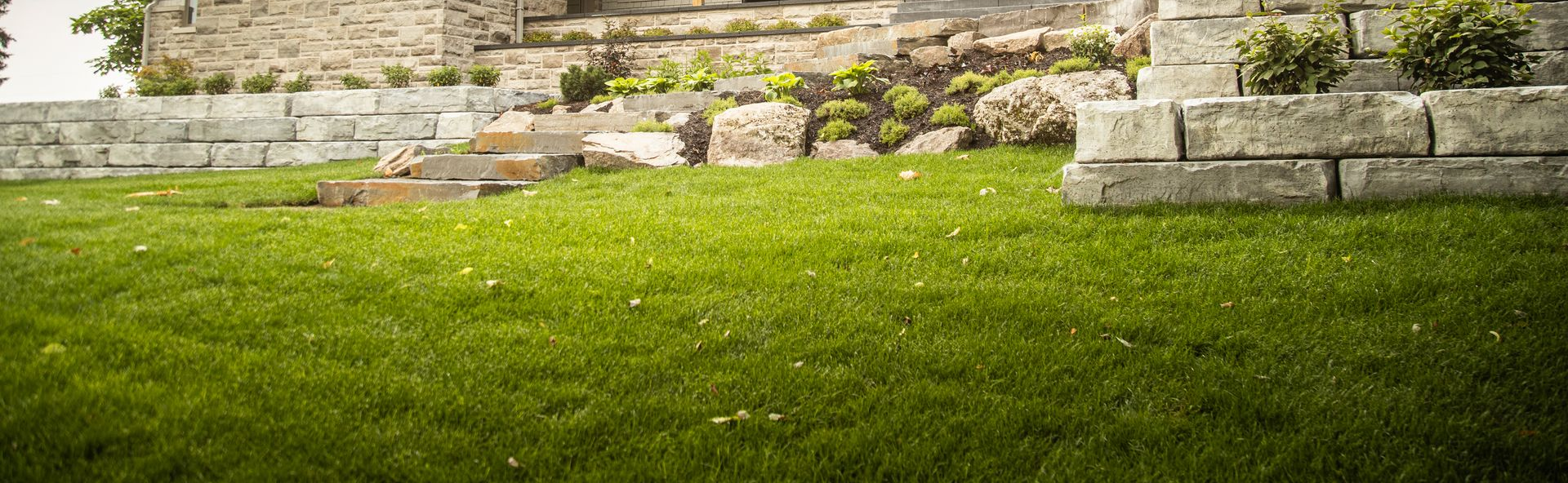
If a patio, walkway or grading project wrapped up this season and left bare soil behind, laying sod now means you start next spring with a lawn that is already established instead of a muddy patch waiting for attention.
Why Fall Conditions Help New Sod Root
Warm Soil, Cooler Air
Grass roots grow best when the soil is warm and the air is cool. In early fall, soil holds the heat it gathered all summer while daytime temperatures ease off. That combination pushes energy into root growth rather than top growth, which is exactly what new sod needs.
Less Watering Stress
Summer sod can dry out in a single hot afternoon. In fall, shorter days and cooler nights slow evaporation, so the water you put down stays in the root zone longer. Regular fall rain helps too.
Fewer Weeds Competing
Many common lawn weeds are winding down by fall. New sod faces less competition while it settles in, giving it a cleaner start next spring.
When to Lay Sod in the Kingston Area
Sod can typically be installed from late summer until the ground starts to freeze. In the Kingston area that window often runs into late October or early November, depending on the year. The goal is to give the sod a few weeks of active rooting before freeze-up.
Later installations can still succeed, but they rely more on the weather cooperating. If your project is finishing up late in the season, talk with your landscaper about timing so the sod has the best chance to take.
Preparation Matters More Than the Sod
Healthy sod laid on poor preparation will struggle. Before a single roll goes down, the site should be:
- Graded properly so water flows away from the house and does not pool on the lawn
- Cleared of debris, rocks and old roots that can create dry spots
- Topped with quality soil so roots have something to grow into
- Lightly compacted and levelled to prevent dips and soft spots
Good grading is especially important in our area, where clay soils and freeze-thaw cycles can turn small drainage issues into bigger problems. You can read more in our guide to drainage and grading.
Caring for New Sod in the Fall
Water Deeply at First
For the first couple of weeks, new sod needs consistent moisture so the roots can reach the soil below. Water deeply rather than lightly, and check by gently lifting a corner. If the soil underneath is damp, you are on track. As temperatures drop, you can water less often.
Stay Off It
Keep foot traffic, pets and equipment off new sod until it has rooted. A gentle tug that meets resistance is a good sign the roots have taken hold.
Mow Once It Has Rooted
If the grass grows tall before winter, a light mow on a high setting is fine once the sod is firmly rooted. Avoid scalping it short going into the cold months.
Rake Leaves Off Promptly
A thick layer of wet leaves can smother new sod and encourage disease. Keep the surface clear through the fall.
Pair Sod With Your Fall Hardscape Projects
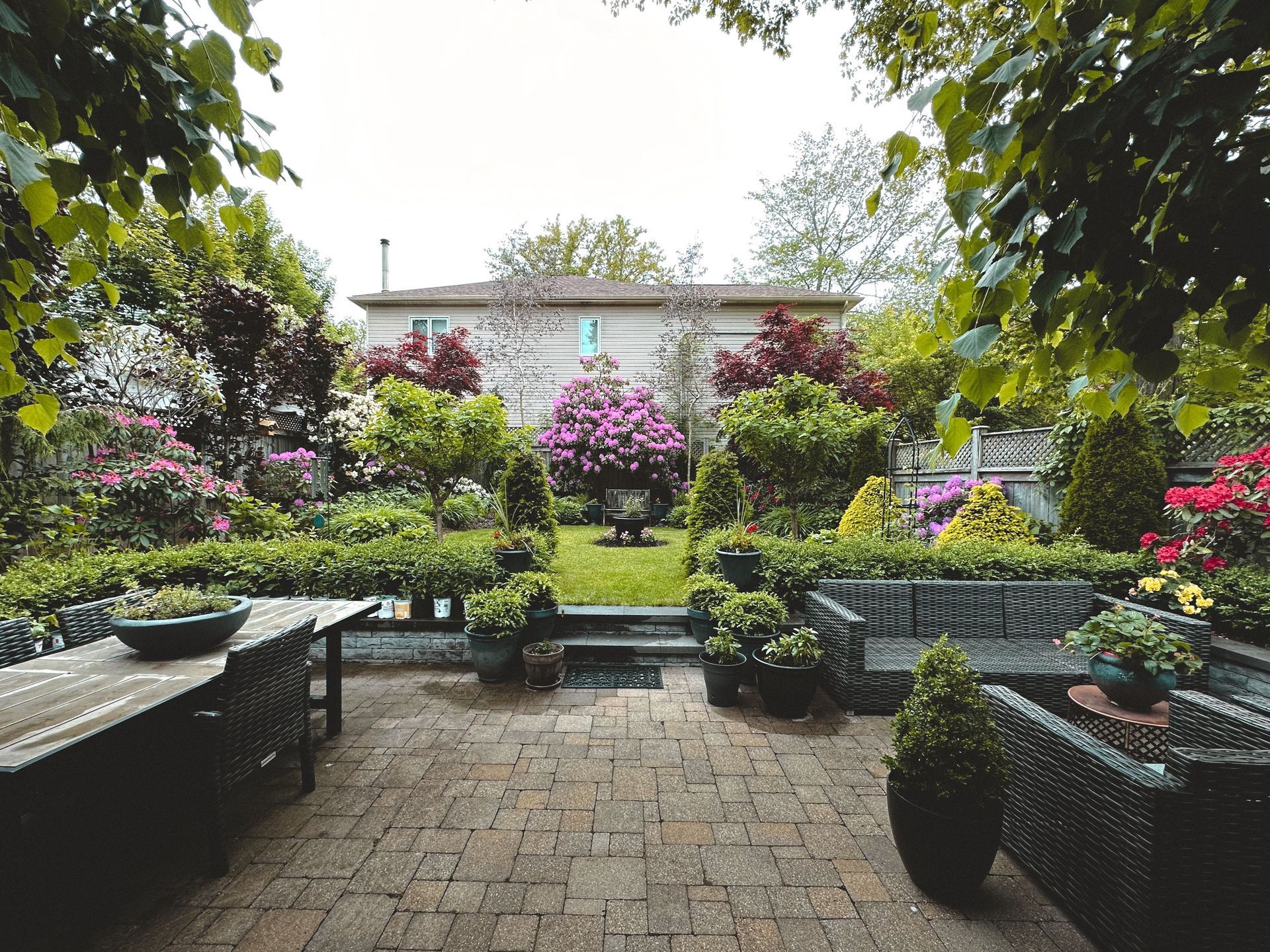
Fall is a busy time for patios, walkways and retaining walls. Finishing those projects with fresh sod ties the whole space together and protects exposed soil from erosion over the winter. It is the softscape detail that makes a new hardscape feel complete.
If you are wrapping up an outdoor project this fall or have bare areas that need attention, Mark of Excellence Landscaping can help with grading, soil preparation and sod installation across Kingston and the surrounding area. Contact us for a quote while there is still time in the season.