How to Create Backyard Privacy With Landscaping Without a Fence
A backyard can be beautifully designed and still feel difficult to enjoy when neighbouring properties, nearby streets, or surrounding homes are always in view. While a fence may seem like the obvious solution, it isn't the only way to create a greater sense of privacy outdoors.
Landscape design can create separation using trees, shrubs, layered gardens, strategic placement, and the existing features of a property. The result can feel softer and more natural than enclosing the entire yard with a solid barrier.
The key is identifying where privacy is actually needed and designing the landscape around those specific sightlines.
Privacy Doesn't Have to Surround the Entire Yard
One of the first mistakes homeowners can make is assuming privacy means creating a solid screen around the full perimeter of the property.
In reality, the most effective approach is often much more targeted.
Think about where privacy matters most. It may be the dining area that's visible from a neighbouring deck, a patio exposed to the street, or a seating area that would feel more comfortable with some separation.
Once those sightlines are identified, planting and landscape features can be positioned specifically to interrupt them. This can preserve openness in other areas of the yard while creating privacy where it has the greatest impact.
Professional landscape design services can account for sightlines, circulation, existing features, and how different areas of the property are actually used before determining where screening makes sense.
Layering Plants Creates a More Natural Screen
A single row of identical shrubs can provide screening, but it can also make a backyard feel rigid. Layered planting creates depth while allowing privacy to become part of the overall landscape design.
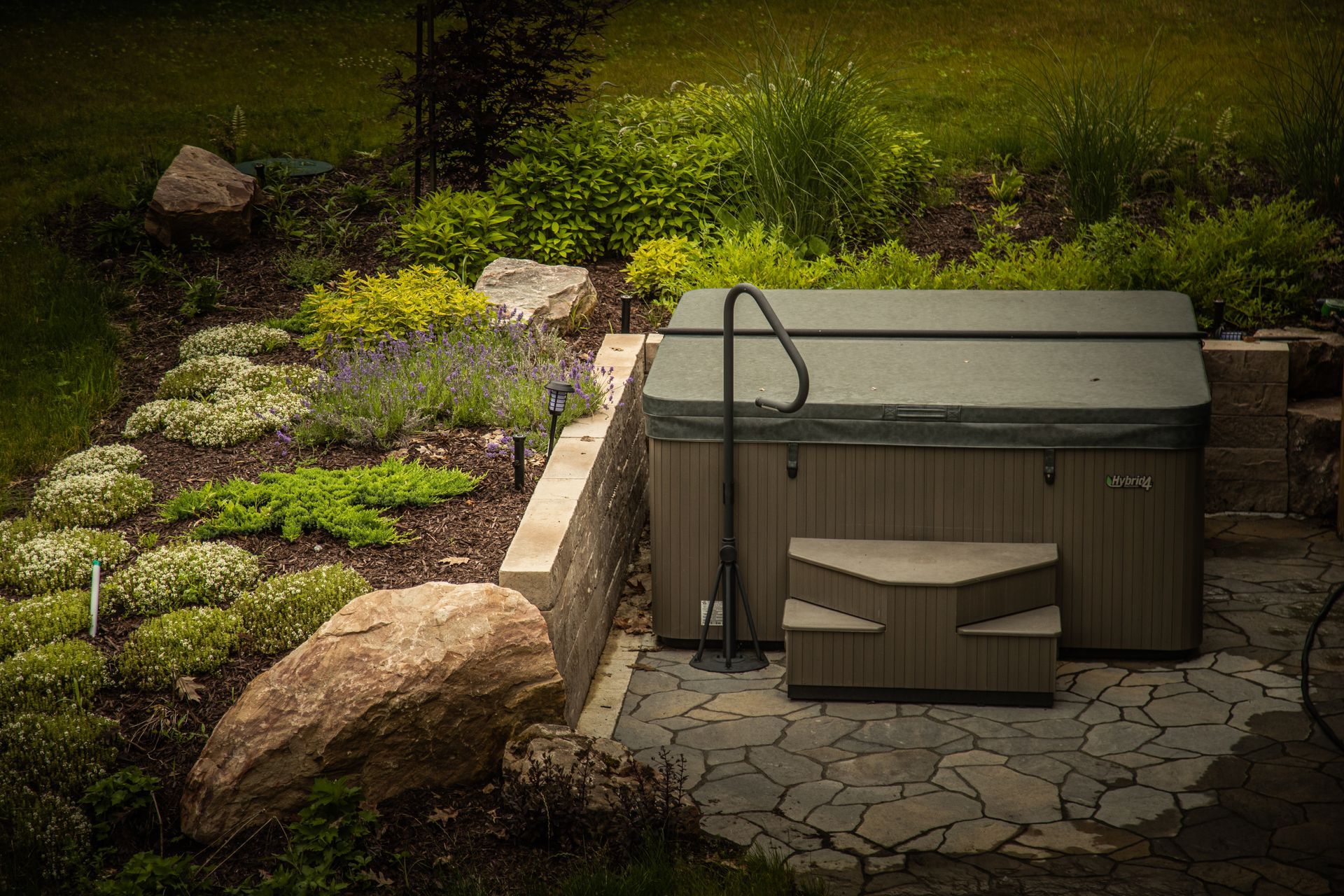
A privacy planting could combine taller trees toward the back with medium-height shrubs, ornamental grasses, perennials, and lower-growing plants closer to outdoor living areas. Different heights interrupt sightlines while creating texture and visual interest.
TRCA's residential gardening resources include information on native plants for your garden and creating landscapes using plant communities suited to local conditions.
Our
softscaping services include the selection and installation of trees, shrubs, flowers, ground covers, and sod, allowing planting to contribute to both the function and appearance of the property.
Choose Plants for Their Mature Size
Privacy landscaping requires some patience.
A young tree or shrub may look undersized when it's first installed, but choosing plants based only on how they look on installation day can create overcrowding later. Trees and shrubs need enough room to reach their mature size without interfering with walkways, structures, neighbouring properties, or one another.
It's also important to consider growing conditions. Sun exposure, available soil, moisture, and the amount of space above and below ground all affect which plants are appropriate for a particular location.
The Government of Ontario recommends considering the vegetation suitable for the property and notes that larger yards can accommodate native trees and shrubs as part of a broader planting strategy.
Selecting plants for the conditions they will actually experience creates a healthier landscape and a privacy solution that improves as it matures.
Trees Can Screen Views Above Fence Height
One of the biggest advantages of landscaping for privacy is the ability to address elevated sightlines.
A fence may block views at ground level but do little when neighbouring windows, decks, or second-storey spaces overlook the backyard. Carefully positioned trees can introduce screening higher in the landscape while also providing shade and visual structure.
Evergreen species may provide denser year-round coverage, while deciduous trees can create a softer canopy and seasonal change. The right choice depends on the property, available space, desired level of screening, and surrounding landscape.
TRCA's Private Land Planting Program demonstrates the importance of a
customized planting plan for your property, taking site conditions and planting objectives into account rather than approaching every property the same way.
Comfort Comes From Planning, Not Spending More
Many homeowners assume creating a comfortable backyard requires adding more features or increasing their budget. In reality, the most enjoyable outdoor spaces are usually the result of thoughtful planning rather than expensive upgrades.
Taking time to evaluate sunlight, privacy, traffic flow, and how the space will be used helps create a landscape that supports everyday living instead of simply looking attractive in photos.
Professional landscape design services consider these details before construction begins, ensuring every element works together as part of a cohesive outdoor environment.
While that particular program is intended for eligible larger properties within TRCA's jurisdiction, the planning principle is useful for residential landscape design: plant selection and placement should respond to the individual site.
Privacy Can Be Built Into Outdoor Living Areas
Sometimes the best solution isn't to screen the property line at all.
Creating privacy closer to the space being used can make a patio or seating area feel more intimate without visually shrinking the entire backyard. Garden beds beside a patio, strategically placed trees, raised planting areas, or a combination of landscape features can define an outdoor room while leaving the rest of the yard open.
This is especially useful on properties where neighbouring homes are close together or where a full perimeter planting would take up too much usable space.
The goal is not necessarily to make neighbouring properties disappear. Good privacy landscaping reduces the most direct views and creates enough visual separation for an outdoor space to feel comfortable.
Think About Privacy in Every Season
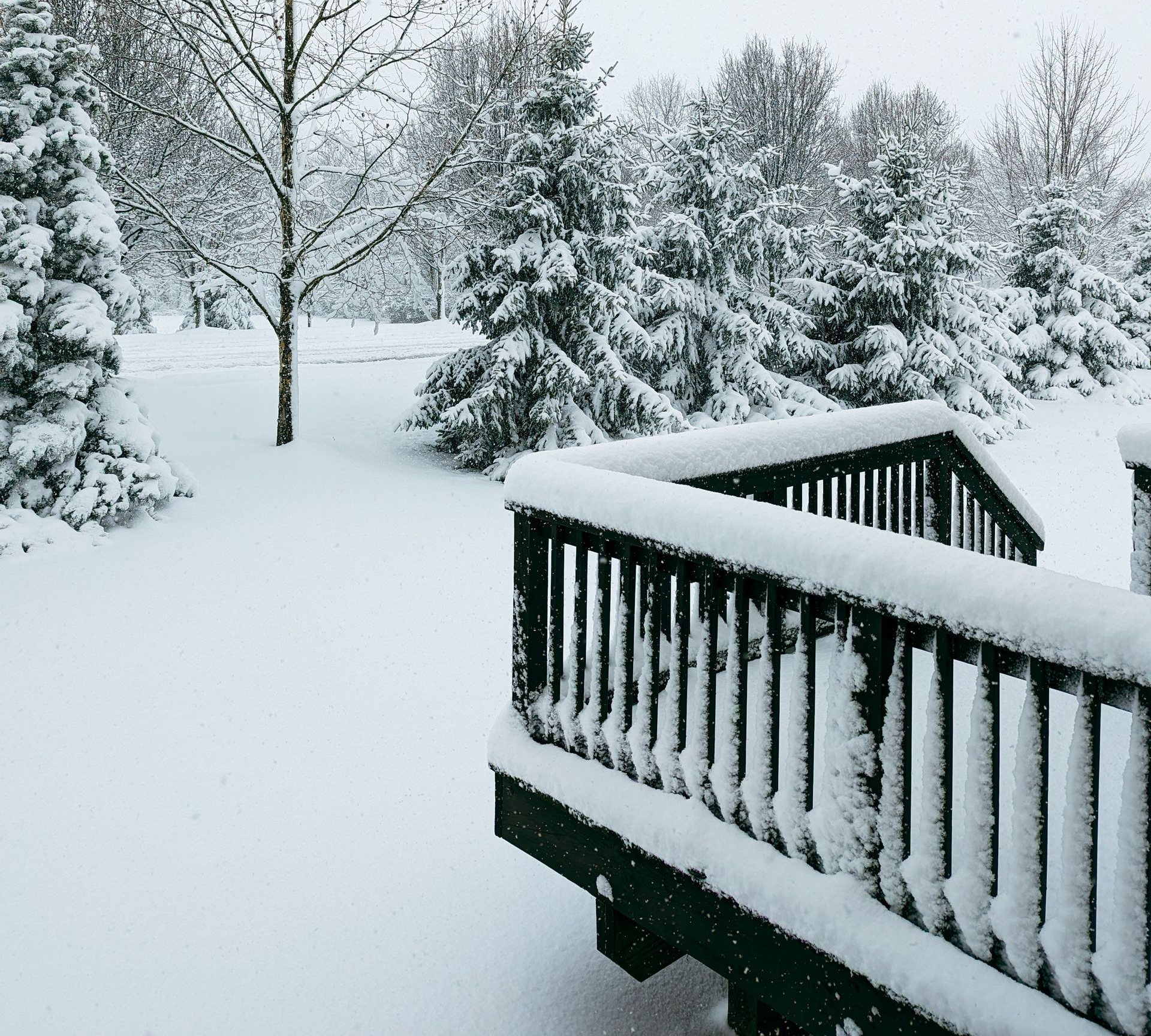
A backyard that feels secluded in July may look very different in January.
Deciduous trees and shrubs lose their leaves, ornamental grasses change considerably, and perennial gardens recede. If year-round screening is important, the planting plan needs enough permanent structure to maintain it.
That doesn't mean every privacy planting needs to become a wall of evergreens. Combining evergreen structure with deciduous trees and layered seasonal planting can provide screening while keeping the landscape visually interesting.
This is also where homeowners should think carefully about the level of privacy they actually need throughout the year. A patio primarily used during summer may not require the same winter coverage as a hot tub or outdoor space used in every season.
Give the Landscape Time to Work
Unlike a fence, living privacy changes.
Trees grow taller, shrubs fill out, and layered garden beds become more established each season. That gradual development is part of what allows landscape screening to feel integrated with the property instead of added as a barrier.
Planning for mature growth is therefore just as important as planning for the first season. Spacing plants appropriately, considering future sightlines, and allowing enough room for healthy development can create a privacy solution that becomes more effective with time.
Considering the property's existing conditions and long-term goals is an important part of
Planning a Landscaping Project? Ask These Questions First especially when trees and shrubs need several years to reach the size and density needed for privacy.
Creating Privacy Without Closing Off the Backyard
Backyard privacy doesn't have to mean building the tallest barrier possible. Thoughtful landscaping can soften unwanted views while preserving light, greenery, and a sense of openness.
The strongest solutions respond to the property itself. Sightlines determine where screening is needed, site conditions influence plant selection, and the way homeowners use their yard helps determine how much separation makes sense.
With the right combination of trees, shrubs, layered planting, and intentional design, privacy can become part of the landscape rather than something that simply surrounds it.