Planning a Landscaping Project? Ask These Questions First
A successful landscaping project begins long before equipment arrives on site. While it's easy to focus on selecting materials or deciding where a patio should go, the most successful projects begin by asking the right questions.
Every property has its own opportunities and limitations. Existing grades, soil conditions, drainage, intended use, and long-term goals all influence the final design. Taking the time to evaluate these factors early helps create outdoor spaces that are both functional and built to last.
Whether the project involves a complete backyard transformation or improvements to a single area, thoughtful planning creates a stronger foundation for every decision that follows.
What Do You Want Your Landscape to Accomplish?
Before discussing products or layouts, consider how you'd like the space to function.
Some homeowners want an outdoor area for entertaining family and friends. Others are looking for more privacy, improved accessibility, lower maintenance, or safer walkways throughout the property. Defining these priorities early helps shape every aspect of the design.
A landscape that reflects how the space will actually be used often delivers better long-term value than one designed around appearance alone.
What Conditions Already Exist on the Property?
No two properties are exactly alike. Slopes, drainage patterns, mature trees, soil conditions, and existing structures all influence what can be built and how the landscape should be designed.
Understanding these existing conditions before construction begins helps identify potential challenges and opportunities. It also allows important decisions to be made before materials are selected or construction starts.
Healthy soil matters more than most homeowners realize, as it influences drainage, plant health, and the stability of many landscape features.
Before excavation begins, it's also important to identify underground utilities.
Ontario One Call explains the importance of locating buried infrastructure before digging to help avoid unnecessary damage and delays.
How Will the Landscape Perform Over Time?
A landscape should continue meeting your needs long after construction is complete.
Trees mature, gardens expand, families grow, and outdoor spaces often take on new purposes over the years. Planning with future use in mind helps reduce the need for significant changes later.
It is also worth considering how the landscape will respond to seasonal weather, drainage, and regular maintenance. Features that are carefully planned from the beginning are more likely to remain functional and attractive for years to come.
Projects designed for long-term performance often share the same characteristics discussed in
what makes a landscaping project last for decades.
What Budget and Timeline Make Sense?
Every landscaping project benefits from realistic expectations. Establishing a budget early helps prioritize features and determine whether the project is best completed all at once or in carefully planned phases.
The construction timeline is equally important. Material availability, site conditions, and seasonal weather all influence when work can begin and how long it will take. Planning ahead often provides greater flexibility while helping avoid unnecessary delays during the busiest parts of the landscaping season.
The
Canadian Home Builders' Association offers guidance on planning home improvement projects, emphasizing the value of preparation, budgeting, and working with experienced professionals.
Are There Any Site Requirements to Consider?
Some landscaping projects require additional planning before construction begins. Property lines, easements, municipal requirements, drainage considerations, and access for equipment may all influence the final design.
Taking these factors into account early helps reduce unexpected changes once construction is underway.
The Government of Ontario provides information about building and renovating your home, including considerations homeowners should review before beginning exterior improvement projects.
Every property is unique, and understanding site conditions before construction begins allows projects to move forward with greater confidence.
Is Every Part of the Design Working Together?
The strongest landscaping projects are planned as complete outdoor environments rather than a collection of individual features.
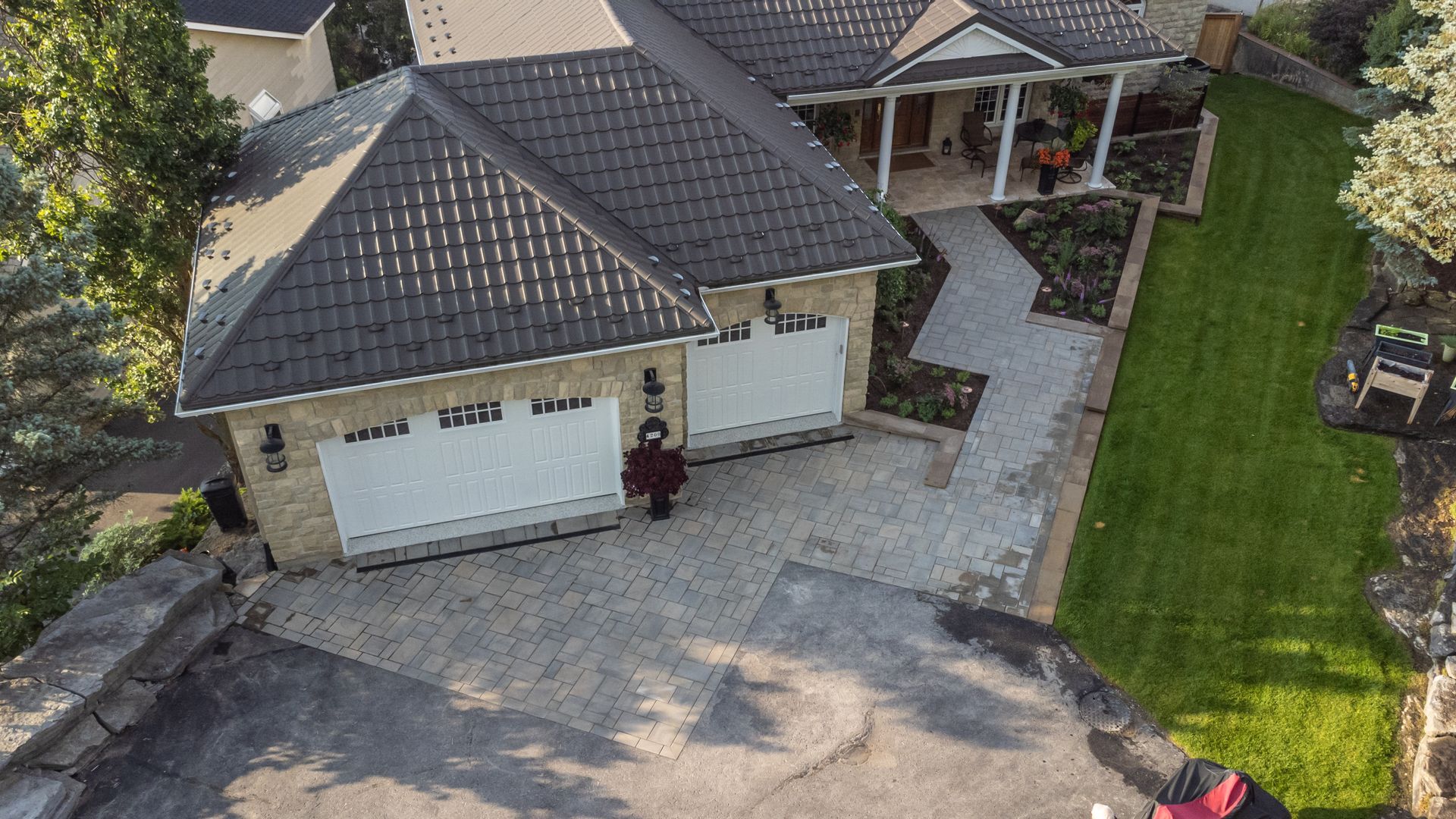
Patios, retaining walls, walkways, planting beds, grading, and drainage all influence one another. When these elements are considered together during the planning stage, the finished landscape is more cohesive, functional, and durable.
Proper drainage and grading in landscaping helps support everything from healthy planting beds to stable hardscape installations by managing how water moves throughout the property.
Approaching the landscape as one connected system often leads to better long-term performance and a more enjoyable outdoor space.
The Best Projects Begin With Better Questions
A successful landscaping project isn't defined by the size of the budget or the number of features included. It begins with understanding the property, identifying long-term goals, and making informed decisions before construction starts.
Taking time to evaluate site conditions, future needs, budget, and functionality creates a stronger foundation for every choice that follows. The result is a landscape that not only looks great when the project is complete but continues to perform well for many years afterward.