Why Some Landscaping Projects Last for Decades (and Others Don't)
Some landscaping projects continue to perform beautifully for decades, while others begin to settle, shift, or deteriorate much sooner. Although materials often receive the most attention, long-term performance depends on much more than the products installed on the surface.
A durable landscape is the result of thoughtful planning, proper site preparation, quality workmanship, and ongoing care. Every stage of the project contributes to how well patios, retaining walls, walkways, planting beds, and other landscape features perform over time.
Understanding what contributes to a long-lasting landscape helps homeowners make informed decisions that protect both their investment and their outdoor living space.
Longevity Begins Before Construction Starts
Long-lasting landscapes are planned long before excavation begins. Every property presents unique conditions, including soil composition, drainage patterns, elevation changes, sun exposure, and intended use. Designing around these factors helps prevent many of the issues that shorten the lifespan of outdoor spaces.
A patio designed for entertaining requires different structural support than a simple garden pathway. Likewise, retaining walls, planting beds, and walkways all perform differently depending on the surrounding terrain and how water moves across the property.
Professional planning considers how each element works together instead of treating every feature as a separate project.
The
Canadian Landscape Standard establishes recognized best practices for planning, construction, and long-term landscape performance across Canada.
A Strong Foundation Supports Everything Above It
The visible portion of a landscape is only one part of the finished project. Beneath every patio, walkway, retaining wall, and outdoor gathering space is a carefully prepared foundation that supports everything built above it.
Excavation depth, soil preparation, base materials, and proper compaction all influence how well a landscape withstands years of seasonal change. If these steps are rushed or overlooked, even premium materials can begin to shift or settle prematurely.
Freeze-thaw cycles place additional stress on poorly prepared foundations. As moisture enters the ground, freezing temperatures cause expansion beneath hardscape surfaces. Repeated movement over multiple seasons gradually affects stability.
Proper base preparation beneath hardscape installations is one of the most important contributors to long-term landscape performance.
Industry training programs recognized across Canada continue to emphasize proper installation techniques because quality construction begins below the finished surface.
Quality Installation Matters Just As Much As Quality Materials
Choosing durable stone, pavers, or retaining wall systems is important, but quality materials cannot compensate for poor installation practices.
Joint spacing, compaction, grading, drainage, edge restraint, and structural reinforcement all contribute to the finished product. These details are often invisible once construction is complete, yet they determine how well the landscape performs five, ten, or twenty years later.
Professional installation follows consistent construction standards that account for soil conditions, intended use, and Ontario's changing climate rather than relying on shortcuts that may save time during construction but create problems later.
The Ontario Association of Landscape Architects supports landscape planning and construction practices that prioritize durability, functionality, and long-term performance.
Quality craftsmanship protects every component of a landscape, regardless of the material selected.
Water Has a Lasting Impact on Every Landscape
Water is one of the most significant factors affecting the lifespan of a landscape. Even when patios, retaining walls, and planting beds are built with quality materials, poor water management can gradually undermine their stability.
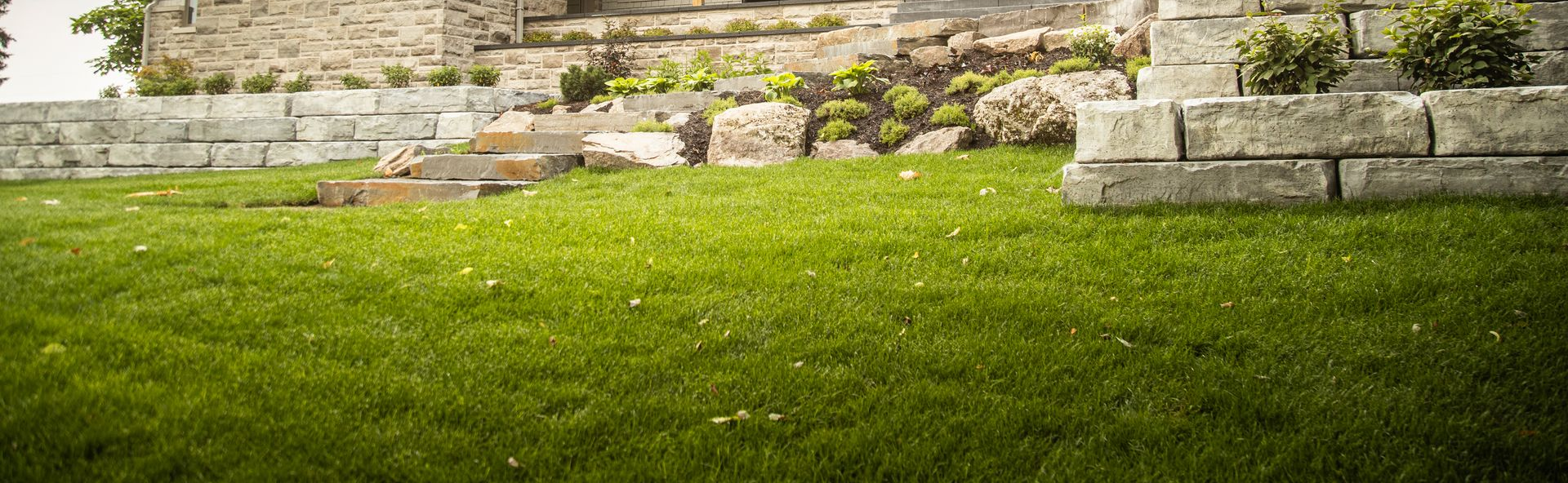
Proper grading allows water to move away from structures instead of collecting beneath hardscape surfaces or saturating surrounding soil. Drainage systems also help reduce hydrostatic pressure behind retaining walls and minimize erosion around planting beds.
Addressing water movement during the planning stage helps preserve the structural integrity of the entire landscape.
Proper
drainage and grading in landscaping reduces the risk of settlement, erosion, and premature deterioration.
Landscapes Continue to Evolve Over Time
A landscape is never truly static. Trees mature, shrubs expand, root systems develop, and soil naturally settles over the years. Outdoor spaces also adapt to changing lifestyles as families grow, entertaining needs change, or new features are added.
Planning for these natural changes helps maintain both function and appearance well into the future. Allowing adequate space for plant growth, selecting materials suited to their intended use, and considering future maintenance all contribute to a landscape that continues to perform as intended.
A well-designed landscape should remain flexible enough to evolve without compromising its overall structure.
Routine Maintenance Protects Your Investment
Even the highest-quality landscape benefits from periodic maintenance. Regular inspections allow small concerns to be addressed before they develop into larger structural issues.
Simple maintenance tasks include:
- Keeping drainage paths free of debris
- Monitoring retaining walls for movement or separation
- Replacing jointing material where needed
- Checking for erosion after heavy rainfall
- Trimming vegetation that may interfere with hardscape features
These routine inspections help extend the lifespan of patios, retaining walls, walkways, and planting areas while reducing the likelihood of more extensive repairs.
Proper maintenance also protects the craftsmanship and planning that went into the original installation.
The Best Landscapes Function as Complete Systems
Every successful landscape is built on the understanding that no single feature performs independently. Patios rely on stable foundations. Retaining walls depend on effective drainage. Planting beds benefit from healthy soil and proper grading. Walkways remain safer and more durable when each surrounding element works together.
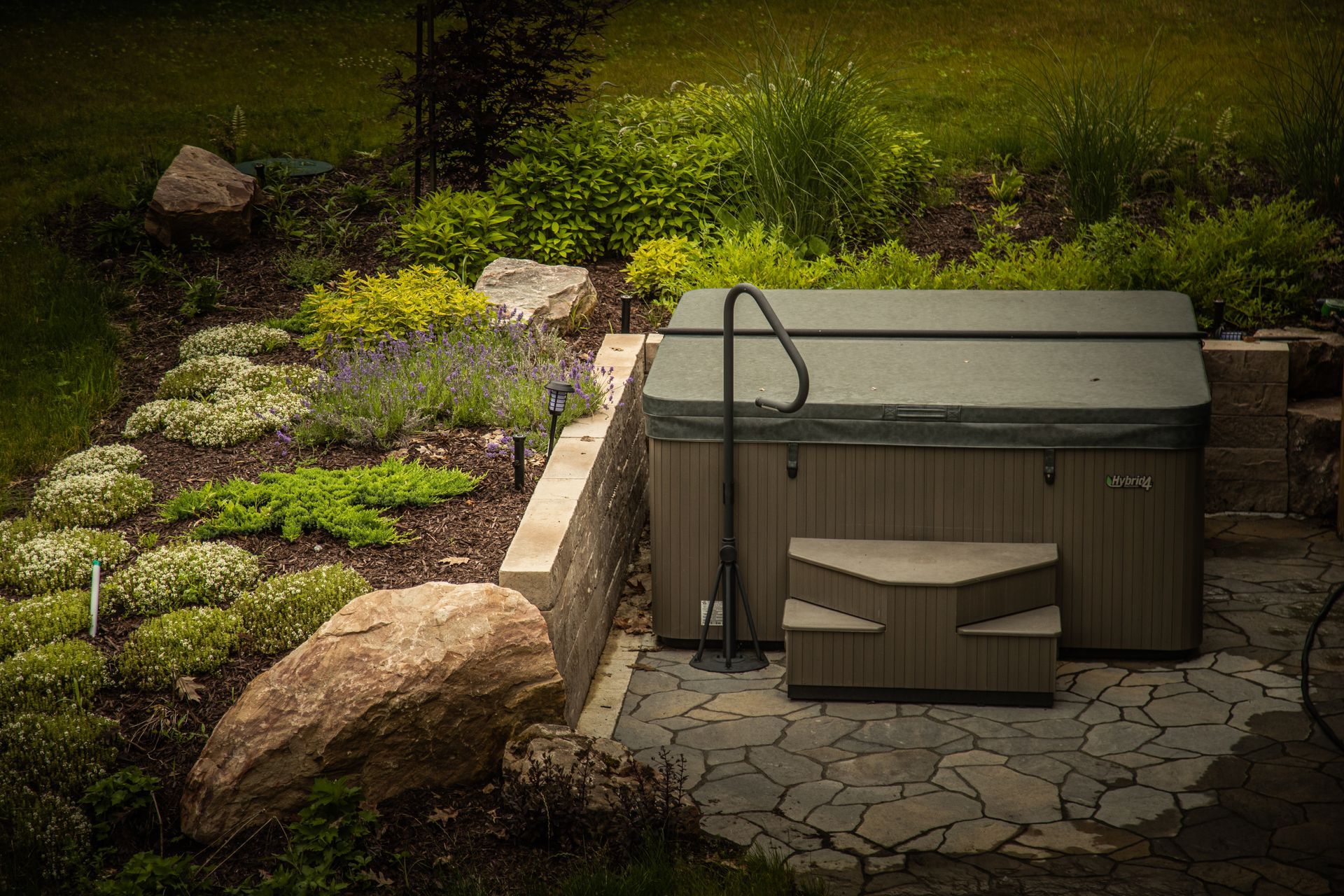
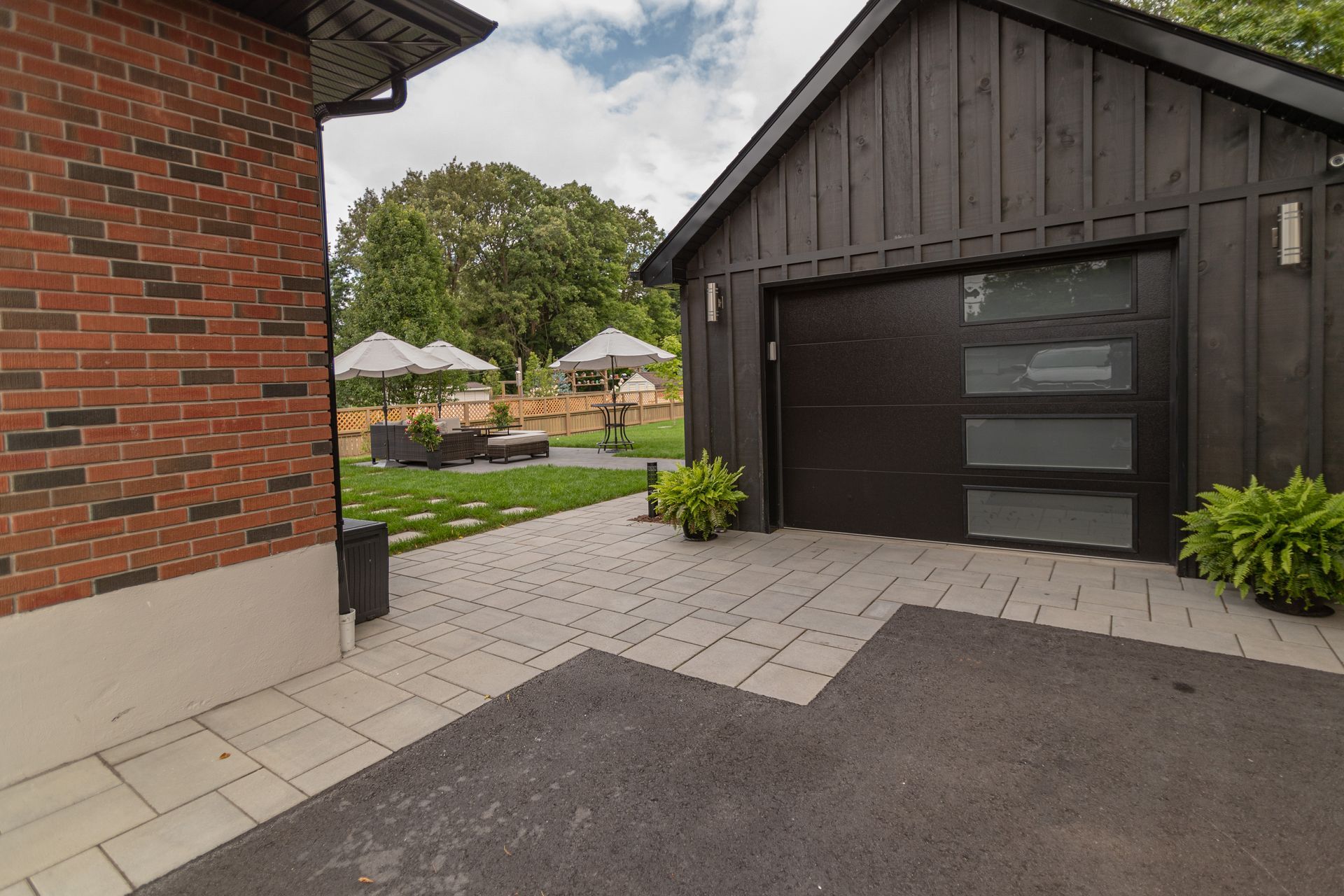
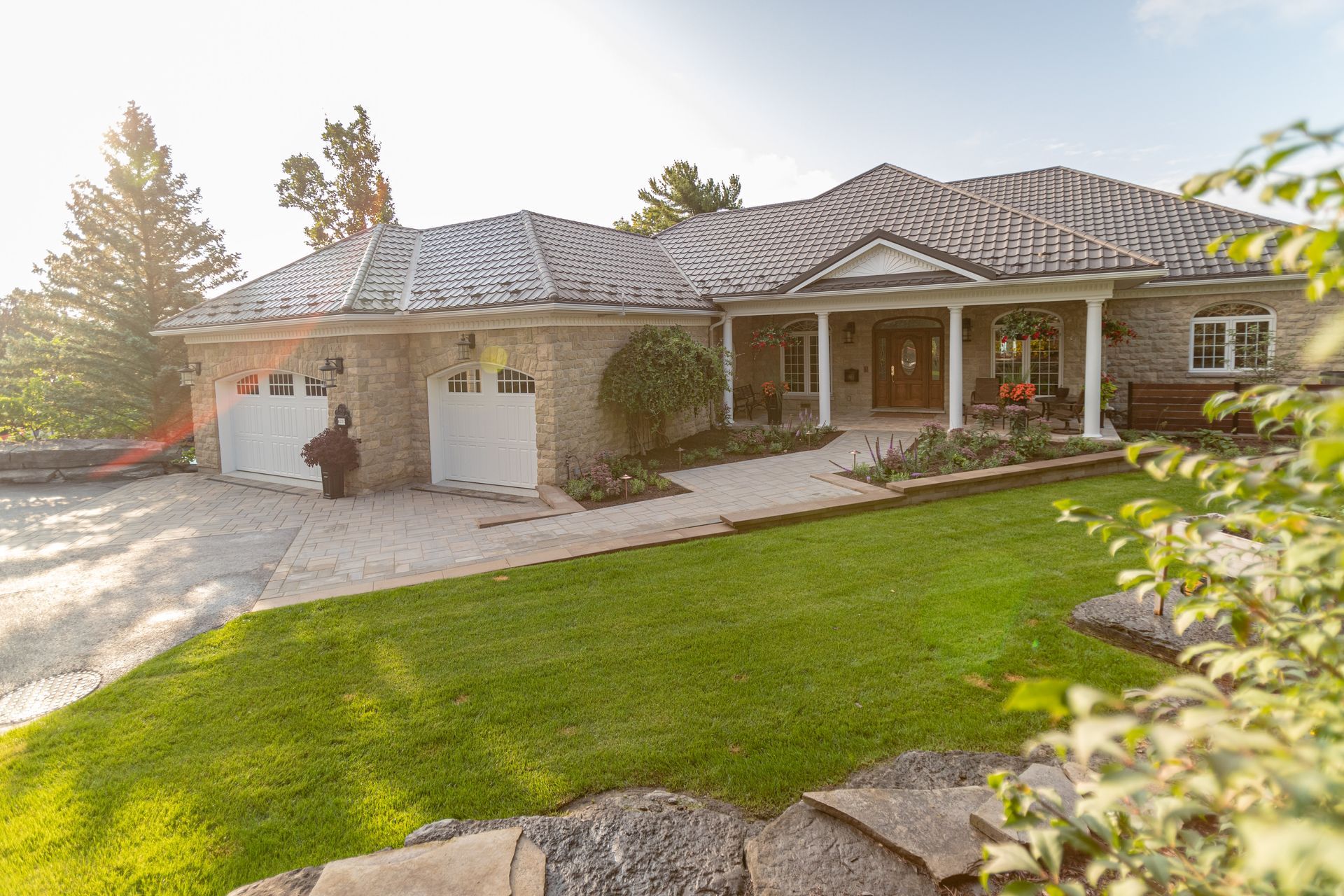
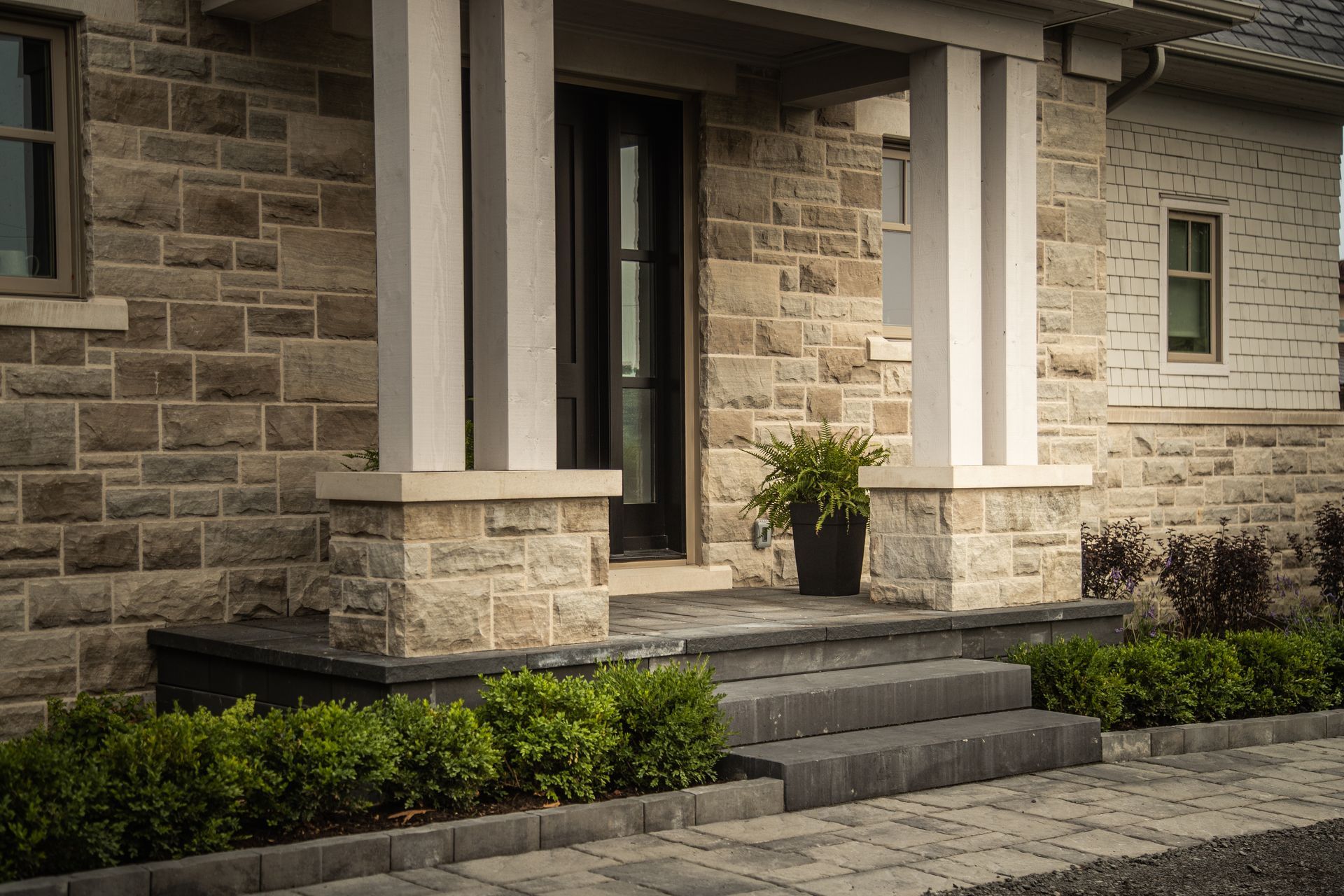
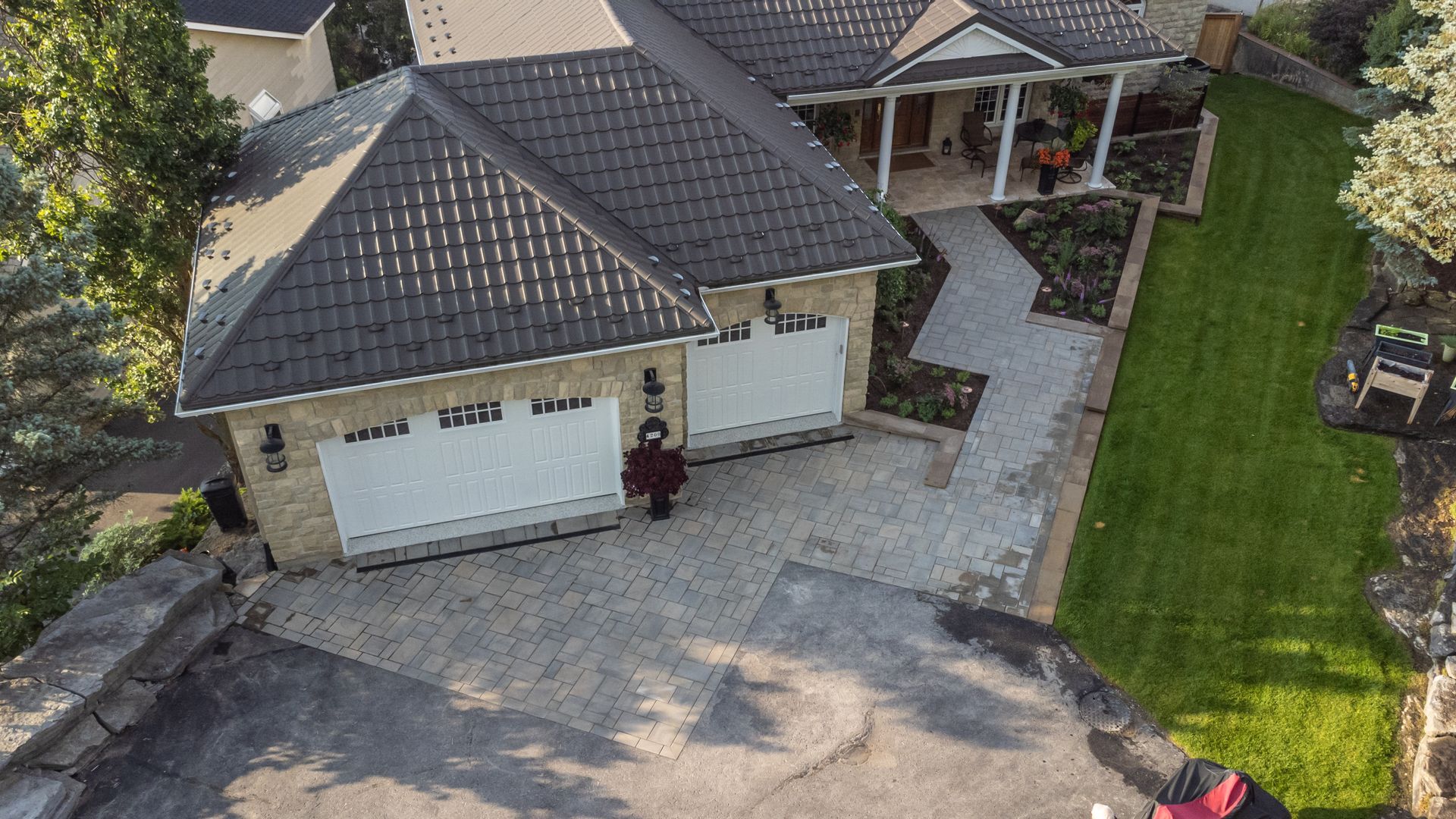
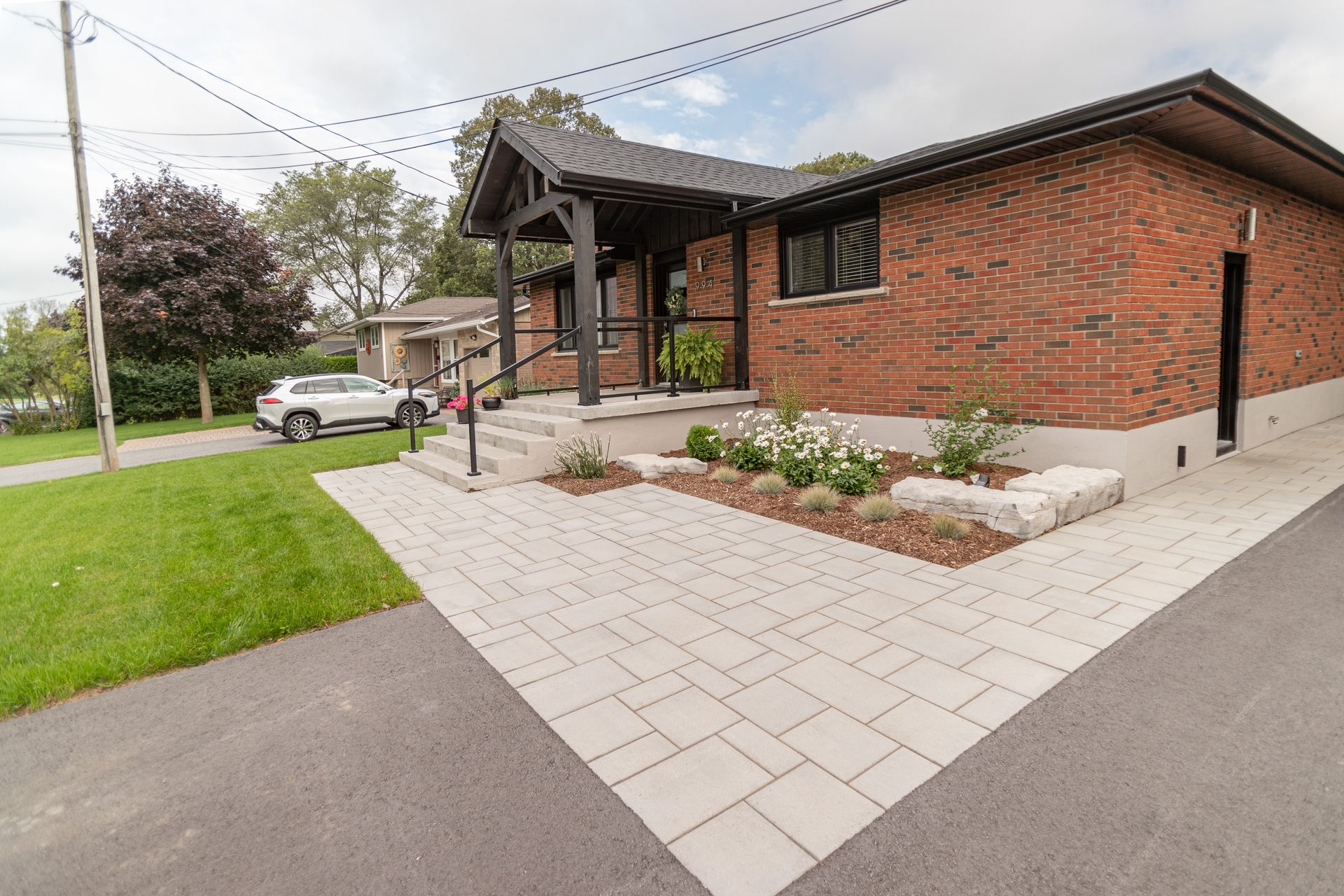
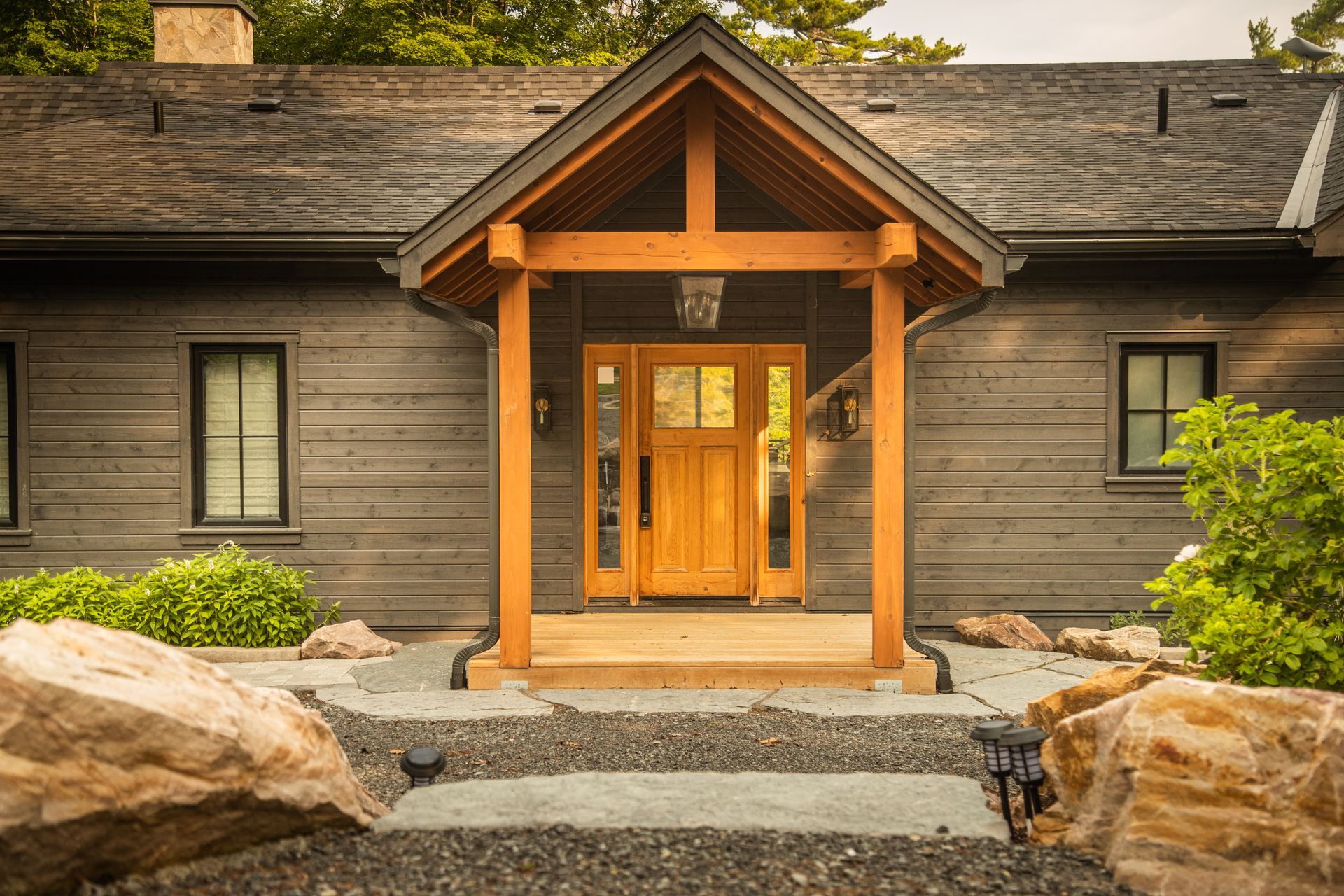
Well-designed hardscaping in Kingston: patios, walkways, and walls built to last complements the surrounding landscape by creating outdoor spaces that remain functional through changing seasons and years of use.
When planning, construction, drainage, material selection, and maintenance are approached as one complete system, landscapes are better equipped to withstand Ontario's climate while continuing to add value, beauty, and functionality for years to come.
Built to Stand the Test of Time
The difference between a landscape that lasts five years and one that performs for decades is rarely the result of a single decision. It comes from hundreds of thoughtful choices made throughout the planning, construction, and maintenance process.
Quality craftsmanship, proper site preparation, effective drainage, and materials suited to the environment all work together to create outdoor spaces that remain attractive, functional, and structurally sound long after construction is complete.
Investing in these fundamentals from the beginning helps ensure your landscape continues to perform as intended, season after season, for many years to come.