The Backyard Didn't Need to Be Bigger. It Needed a Better Plan.
When homeowners begin thinking about improving their outdoor space, one concern comes up surprisingly often:
"I just wish our backyard was bigger."
At first glance, it seems like a size problem. The patio feels cramped, there's nowhere comfortable to entertain, the kids don't have enough room to play, and every corner feels disconnected from the next.
In many cases, however, the size of the yard isn't the real issue.
It's the way the space has been planned.
Thoughtful landscape design can completely change how a backyard functions without adding a single square foot. By understanding how people move through a space, where they naturally gather, and how different features work together, even modest backyards can feel larger, more organized, and far more enjoyable to use.
Looking Beyond Square Footage
Imagine walking into a backyard where the patio sits awkwardly in one corner, the barbecue blocks the main walkway, and the seating area feels disconnected from the rest of the property.
Now imagine that same backyard with clearly defined gathering spaces, comfortable walkways, purposeful planting, and a layout that naturally guides people through the space.
The property hasn't grown.
The experience has changed.
Professional landscape design focuses on how homeowners actually use their outdoor space instead of simply filling available square footage with features.
The
Canadian Society of Landscape Architects highlights the importance of thoughtful landscape planning in creating functional, attractive outdoor environments that respond to both people and place.
Every Area Should Have a Purpose
One of the most effective ways to make a backyard feel larger is by creating distinct spaces for different activities.
Rather than one large open area, a thoughtfully planned landscape might include:
- A dining space for family meals
- A seating area around a fire feature
- Open lawn for recreation
- Garden beds that define boundaries
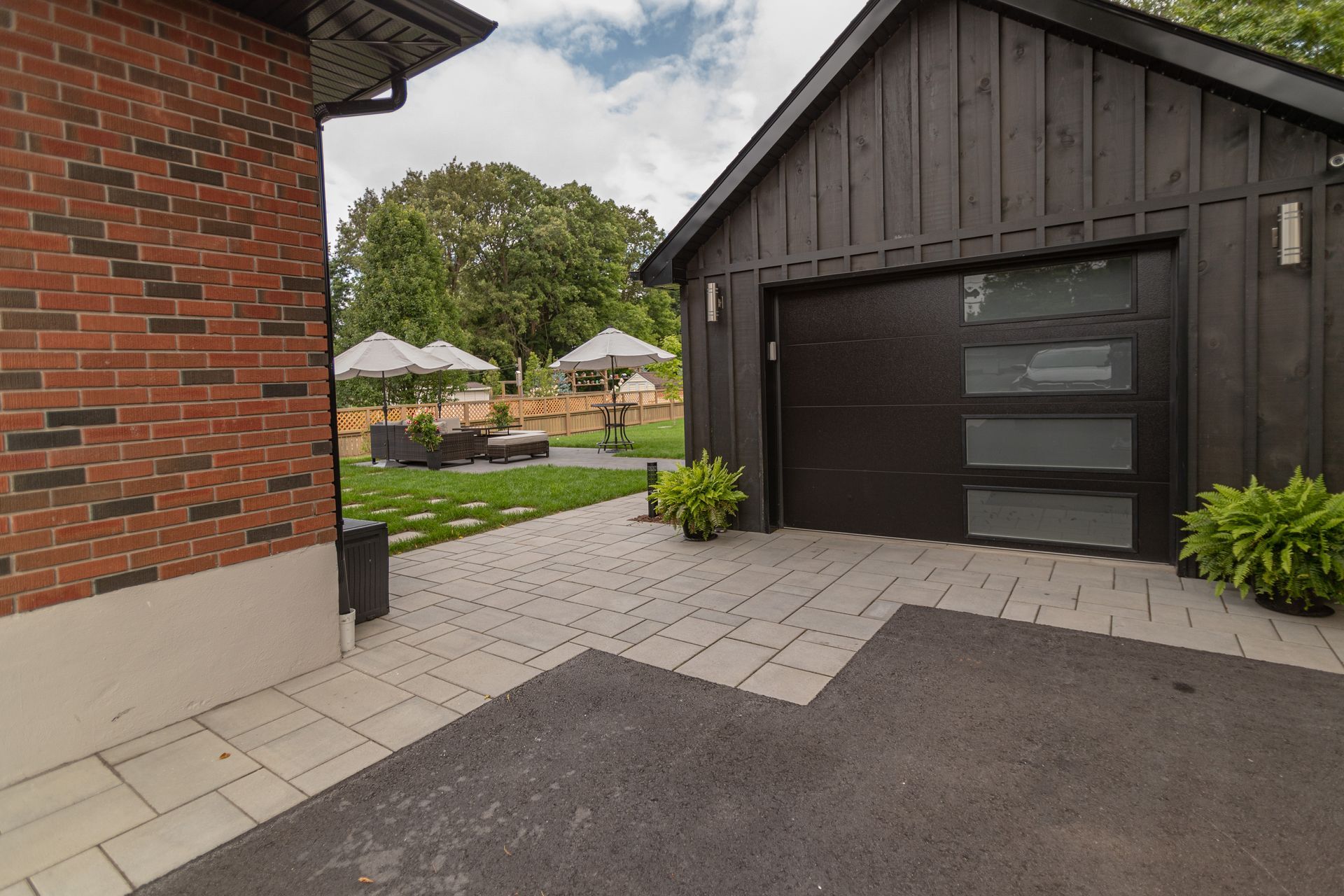
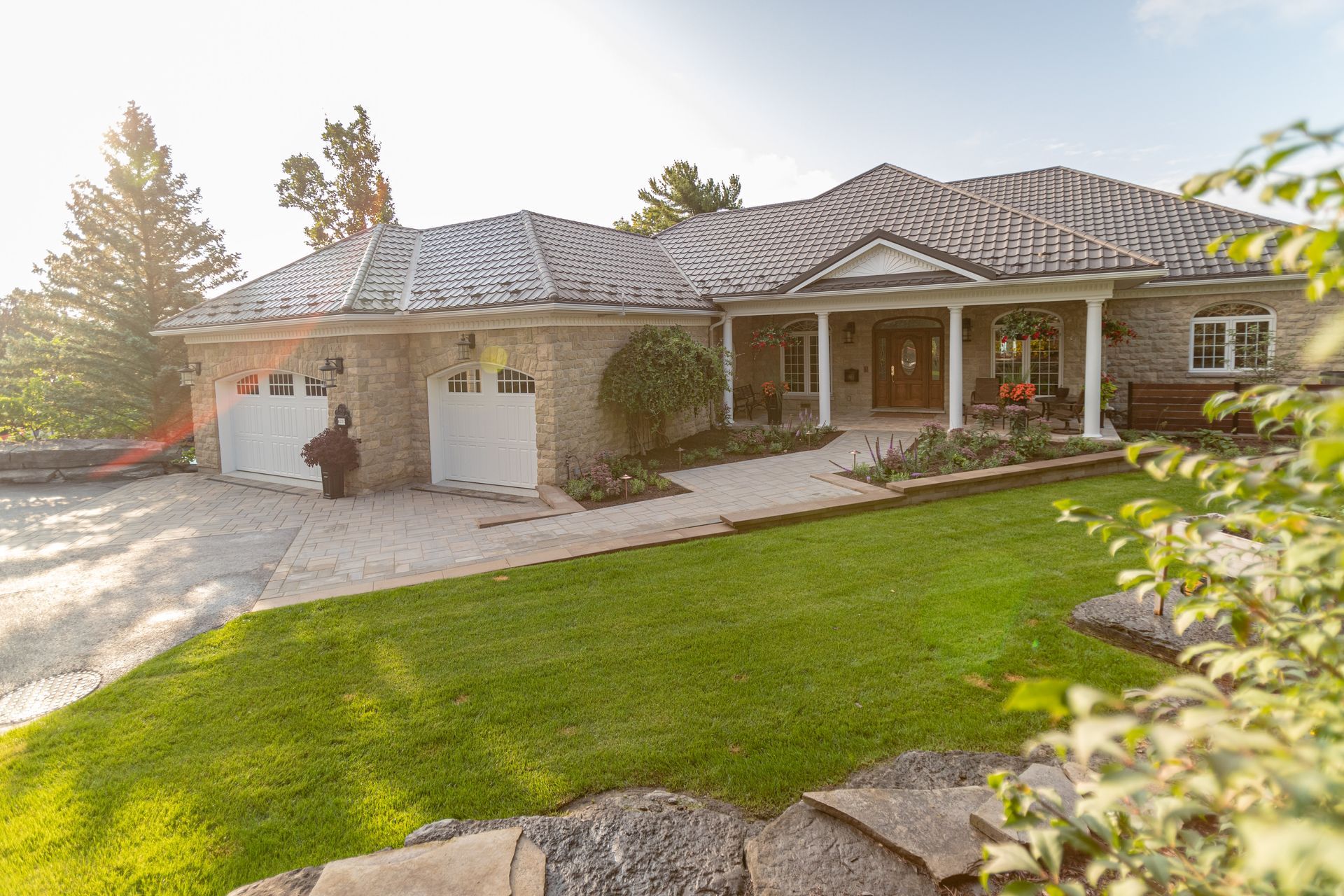
- Walkways that connect each space naturally
These zones create visual organization while making the property feel more functional and inviting.
The goal isn't to fit more into the yard. It's to make every part of the yard work better.
Movement Shapes the Entire Experience
People rarely think about how they move through their backyard until something feels inconvenient.
Walking around furniture, cutting across the lawn because pathways aren't practical, or constantly crossing entertaining areas to reach another part of the property can make even large yards feel crowded.
Well-designed landscapes consider circulation just as carefully as appearance.
Features are positioned so movement feels natural, gathering areas remain comfortable, and different parts of the property connect without competing for space.
Parks Canada recognizes that successful landscape planning and design considers how people experience and move through outdoor environments over time.
Small Changes Can Change the Way a Backyard Feels
Creating a more functional landscape doesn't always require major construction. Sometimes the biggest improvements come from repositioning features so they complement one another instead of competing for space.
A patio placed closer to the home may improve entertaining. A walkway can create a more natural route through the yard. Planting beds can soften transitions between spaces while adding privacy without making the yard feel enclosed.
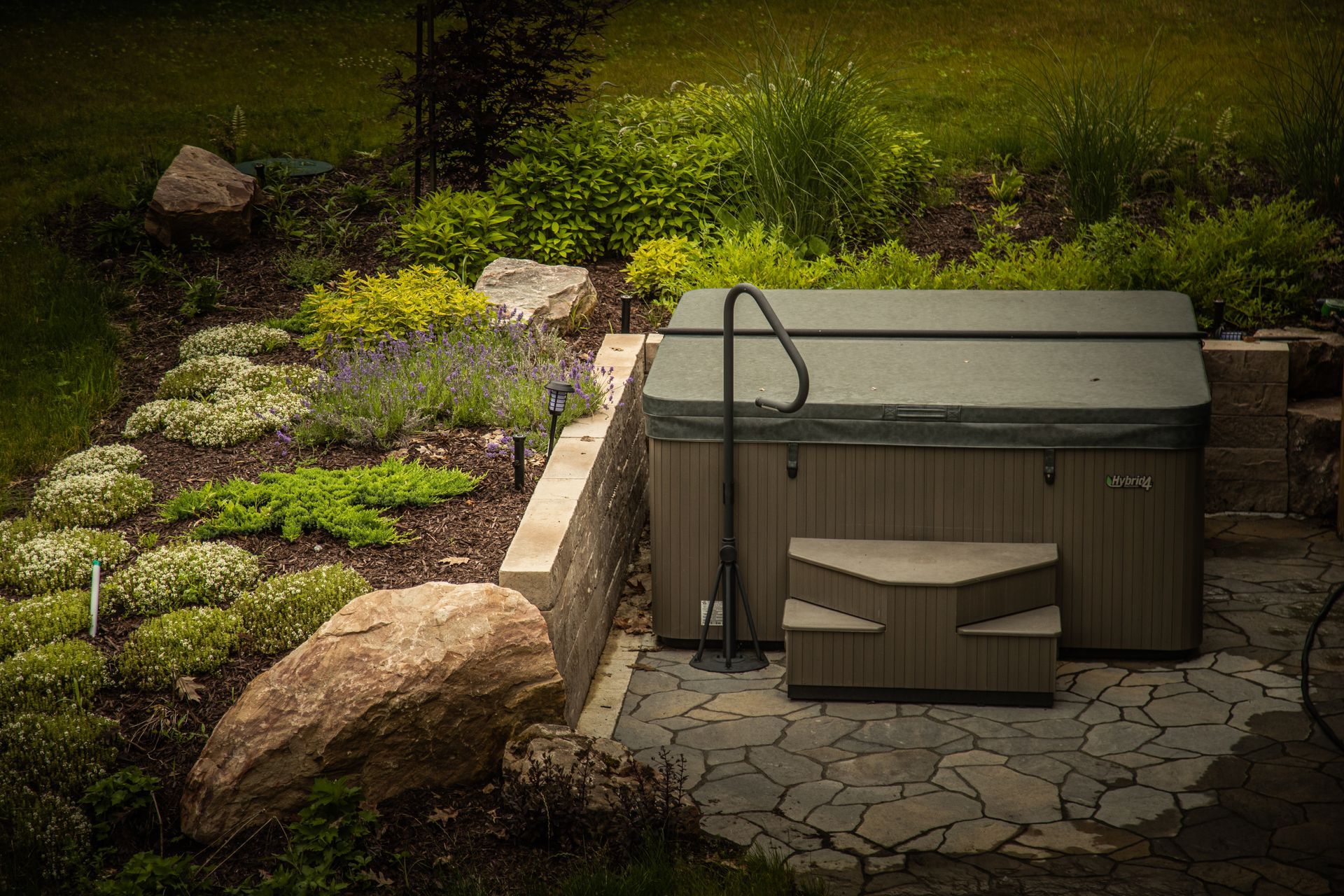
Even subtle elevation changes, retaining walls, or carefully positioned trees can help define spaces while maintaining an open feel.
The result is a backyard that feels intentional rather than crowded.
Thinking Beyond Today
A well-designed landscape doesn't just meet today's needs. It should continue working as those needs evolve.
Children grow older, families entertain differently, and homeowners often discover new ways to enjoy their outdoor spaces over time. Planning for flexibility allows the landscape to adapt without requiring significant reconstruction a few years later.
Features such as patios, walkways, and planting beds should support both current use and future possibilities. Leaving room for expansion or designing spaces that can serve multiple purposes helps extend the value of the investment.
Thoughtful placement of trees also plays an important role in how a landscape changes over time. Forests Ontario promotes planting the right tree in the right place to support healthier landscapes and communities for years to come.
The Best Design Often Feels Effortless
One of the signs of a successful landscape is that it simply feels comfortable.
Guests naturally gather where conversations flow. Walkways lead people where they need to go without thinking about it. Different areas feel connected, and every feature contributes to the overall experience.
That sense of ease is rarely accidental.
It comes from understanding how each element works together before construction begins. A thoughtful layout considers sightlines, access, proportions, and how the space will be enjoyed throughout the seasons.
Well-planned
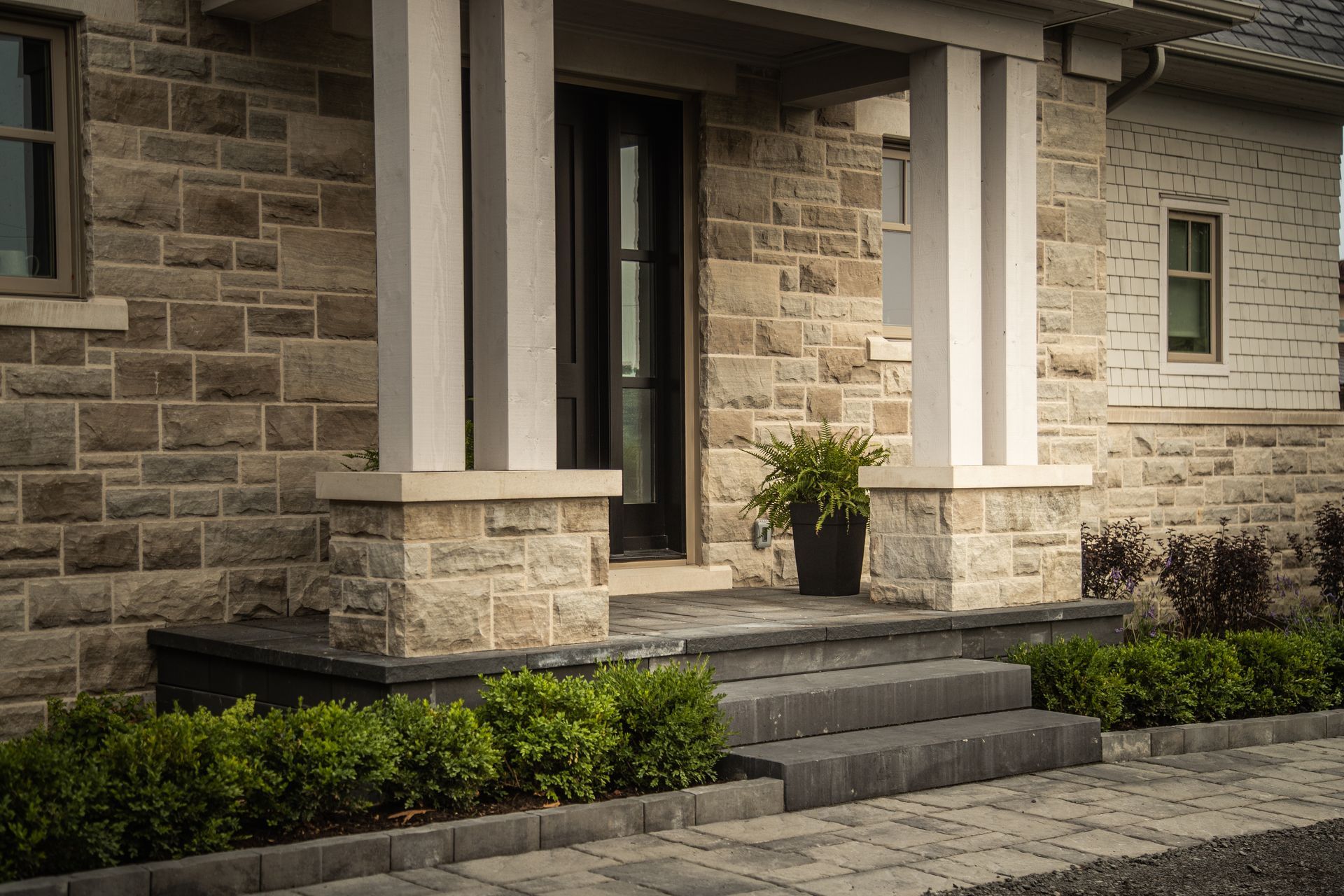
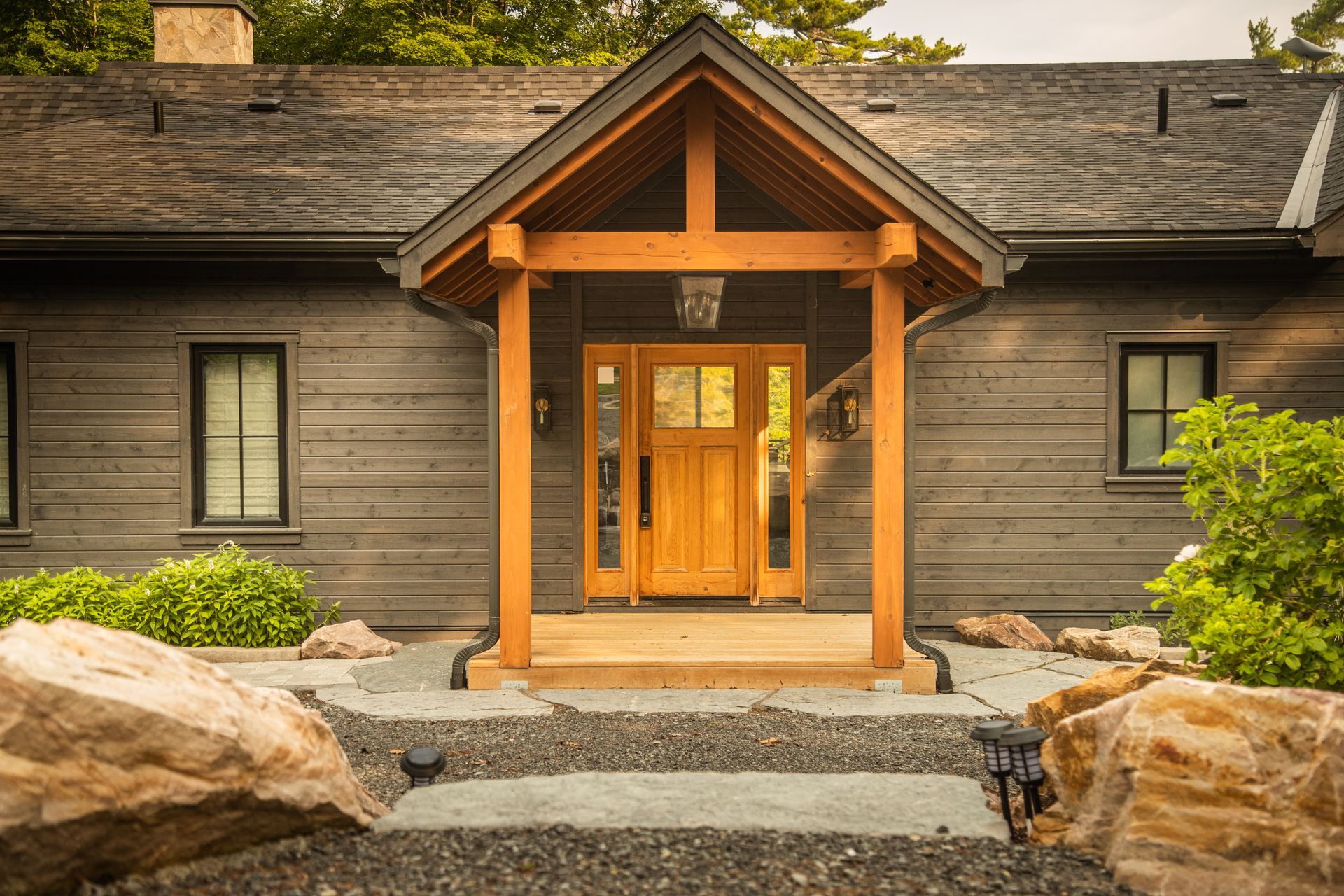
hardscaping in Kingston: patios, walkways, and walls built to last provides the structure that helps define outdoor living spaces while supporting everyday functionality.
A Better Plan Can Change Everything
It's easy to assume that creating a better backyard means adding more square footage. In reality, the most meaningful improvements often come from making better use of the space that's already there.
Thoughtful planning considers how people live, move, gather, and relax outdoors. When every part of the landscape has a purpose and works together as one complete environment, even a modest backyard can feel more spacious, functional, and enjoyable.
Sometimes the difference between a backyard that's rarely used and one that becomes a favourite place to spend time isn't the size of the property.
It's the quality of the plan behind it.