When Is the Best Time of Year to Start a Landscaping Project in Ontario?
When homeowners start thinking about a landscaping project, timing is usually one of the first questions that comes up. Is spring the best time to begin? Is summer too late? Should you put everything on hold once fall arrives?
There isn't one landscaping season that's best for every project.
Ontario's changing weather affects planting, hardscaping, excavation, and site preparation differently. The ideal time depends on what you're planning, the conditions on your property, and when you'd like the finished space to be ready.
Spring and summer may receive most of the attention, but fall can be an excellent landscaping season. Winter can also be one of the smartest times to start planning for the year ahead.
Spring Is Popular, but Planning Can Start Much Earlier
Spring naturally brings landscaping to the front of homeowners' minds. The snow disappears, gardens begin waking up, and outdoor spaces become part of everyday life again.
It's also a busy time for landscape contractors.
If you're hoping to have a patio, retaining wall, garden, or larger property transformation completed in spring or early summer, waiting until April or May to begin making decisions can limit your timeline.
Getting landscape design and project planning underway before the busy season gives you more time to consider the layout, materials, budget, and functionality of the finished space.
Starting early doesn't mean construction needs to begin immediately. It simply means the important decisions are already being made before you're ready to break ground.
Summer Offers a Strong Construction Window
Summer is one of the busiest periods for landscape construction in Ontario, and for good reason.
Longer days and generally favourable ground conditions create opportunities for patios, walkways, retaining walls, grading, excavation, and larger outdoor transformations. It's also the time of year when homeowners are using their properties most and can clearly see what they'd like to improve.
The trade-off is scheduling. By summer, many contractors already have projects booked well in advance.
This makes summer a great construction season, but not necessarily the best time to start thinking about a major project. If you already know you'd like work completed next summer, beginning the conversation months earlier can give you more flexibility.
Fall Is Still Landscaping Season
he end of summer doesn't mean landscaping season is over.
September and October can provide excellent conditions for many types of work. Temperatures are typically more comfortable, and hardscape construction can continue as long as weather and ground conditions remain suitable.
Fall can be particularly valuable for planting. Landscape Ontario identifies fall as a great time to plant trees and shrubs, recommending that new trees and shrubs have time to establish before frost and continue receiving water until the ground freezes.
That makes late summer and early fall a useful time to reassess a property. Areas lacking privacy, gardens that need more structure, and spaces that could benefit from new trees or shrubs can all become priorities while there's still time left in the season.
Cooler Temperatures Can Benefit New Trees
Hot summer weather can be challenging for newly planted trees. Higher temperatures and rapidly drying soil can increase the amount of attention new plantings require while they're becoming established.
Ontario's Tree Atlas specifically recommends planting trees in the fall when possible, explaining that fall-planted trees have more time to develop roots before dry periods arrive the following season.
The Tree Atlas is particularly useful locally because its Southeast region includes recommendations for native trees suited to this part of Ontario.
Thoughtful
softscaping and planting takes more than the calendar into account. Soil conditions, sunlight, moisture, available space, mature plant size, and the characteristics of the property all influence what should be planted and where.
Spring and Fall Both Have Advantages for Planting
Fall isn't the only good planting season.
Moderate temperatures and adequate moisture are important when establishing vegetation. Ontario guidance notes that spring and fall provide favourable planting conditions because temperature, moisture, and sunlight are generally better suited to establishment during these periods.
The exact timing still depends on what is being planted and the conditions that year. An unusually hot September or an early freeze can change the ideal window.
That's why landscaping schedules should respond to actual site and weather conditions instead of relying on a single date on the calendar.
Hardscaping Has More Flexibility
Planting windows can be relatively specific, but patios, retaining walls, walkways, stone features, grading, and excavation often have a longer construction season.
In Ontario, these projects can generally continue through late fall when weather and ground conditions cooperate. That means the end of August doesn't automatically mean a new patio or retaining wall needs to wait until the following spring.
The type of project matters as well. Excavation requirements, material installation, access to the property, drainage work, and the size of the project can all influence how late into the year construction remains practical.
For homeowners considering work in the fall, the best approach is to discuss the project rather than assume the season has already passed.
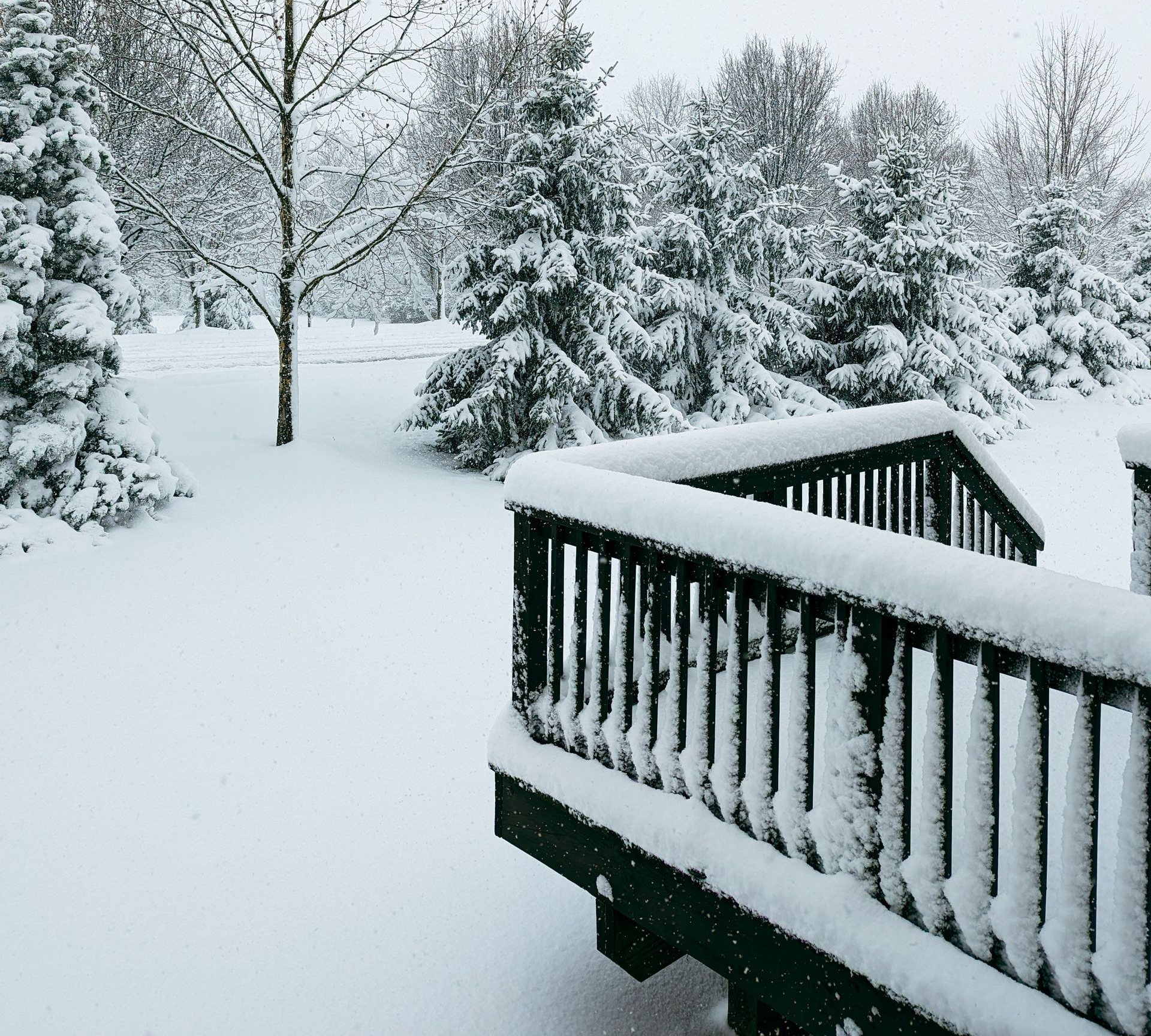
Winter Can Be One of the Best Times to Plan
A landscaping project doesn't begin when the excavator arrives.
Designing a functional outdoor space can involve evaluating grades, drainage, existing trees, traffic flow, materials, planting, budget, and how different areas of the property will work together.
Winter provides time to make those decisions without the pressure of trying to begin construction immediately.
Carefully planning a landscaping project ahead of the construction season also gives you time to prioritize features and consider how the finished landscape should function over the long term.
By the time warmer weather arrives, the project can be much further along than one that only begins planning in the spring.
So, When Should You Start?
The best time depends on what you want to accomplish.
Spring is an excellent season for planting and construction, but demand can be high. Summer provides a strong window for larger landscape installations. Fall remains valuable for hardscaping and can offer particularly good conditions for trees, shrubs, and other plantings. Winter gives homeowners an opportunity to design and plan ahead.
The bigger takeaway is that landscaping doesn't have one universal start date.
If you're considering improvements for next spring or summer, you don't need to wait for warm weather to start the process. And if summer is already winding down, you haven't necessarily missed your opportunity for the current year.
Matching the project to the season, rather than waiting for a single "perfect" month, can provide more flexibility and help ensure the work is completed under conditions that make sense for the landscape.