How Much Does Landscaping Cost in Kingston? What Homeowners Should Expect
Landscaping costs can vary significantly depending on the scope of work, site conditions, and materials involved. While online estimates often provide broad ranges, understanding what actually drives pricing helps homeowners plan realistically and make informed decisions before starting a project.
Professional landscaping is not a one-size-fits-all service. Each property presents unique challenges and opportunities, and costs reflect the level of preparation, coordination, and long-term performance expected from the finished landscape.
What Impacts Landscaping Costs Most
Several core factors influence landscaping costs, regardless of project size or style.
Site Conditions
The existing condition of a property plays a major role in pricing. Sloped terrain, limited access, poor drainage, and compacted or rocky soil often require additional preparation before construction can begin. Proper grading and drainage are essential for protecting outdoor structures and surrounding areas, particularly in climates with seasonal freeze–thaw cycles, as outlined by Natural Resources Canada.
Addressing these conditions early helps prevent issues such as settling, erosion, or water damage later on.
Scope of Work
A small planting update will cost significantly less than a full landscape build that includes excavation, hardscaping, softscaping, and lighting. Projects that combine multiple elements require more labour, equipment, and coordination, which is reflected in overall cost.
Material Selection
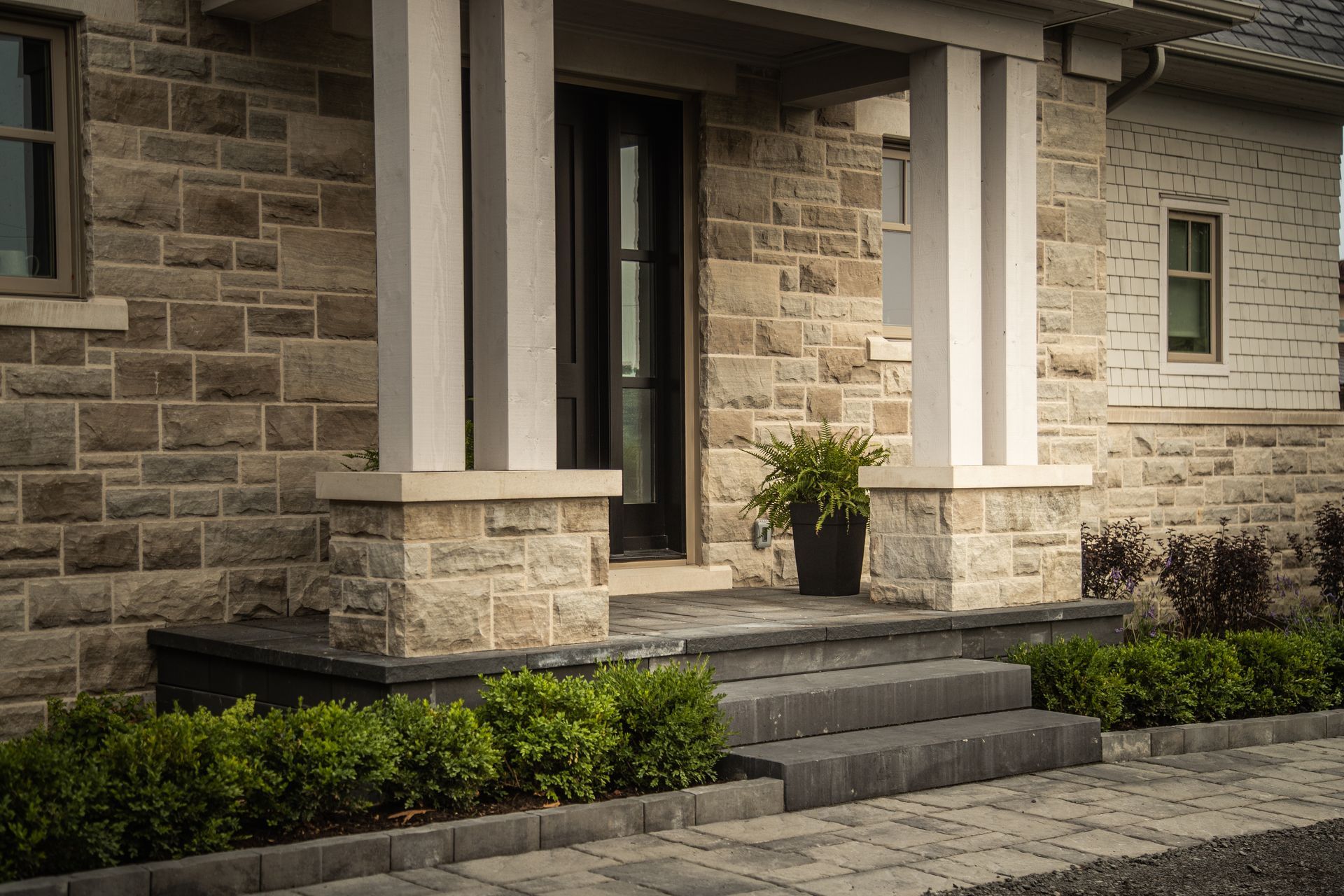
Material choice affects both upfront pricing and long-term value. Premium concrete products, natural stone, and specialty finishes typically cost more than standard materials, but they often provide greater durability and reduced maintenance over time.
Design Complexity
Custom layouts, curved features, multi-level designs, and integrated elements increase planning and installation time. These details enhance usability and visual appeal but also contribute to higher project costs.
Typical Landscaping Cost Ranges by Project Type
Exact pricing varies by property, but understanding common cost categories helps set realistic expectations.
Excavation and Site Preparation
Excavation costs depend on soil conditions, access, and the amount of material being moved. As the foundation of most landscaping projects, excavation directly affects the performance of patios, walkways, and retaining walls. This foundational work aligns with the importance of proper preparation outlined in professional excavation and grading work.
Patios and Walkways
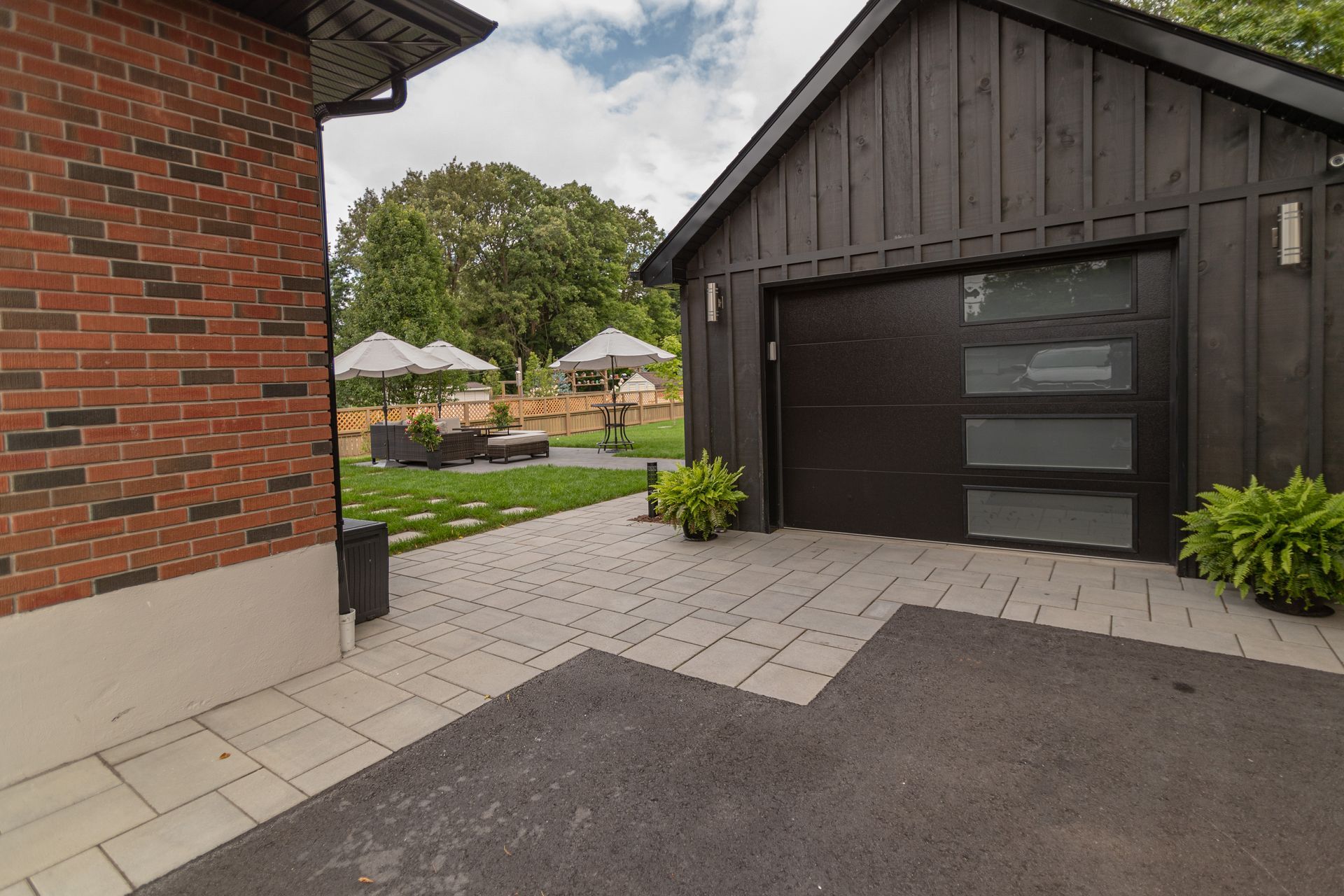
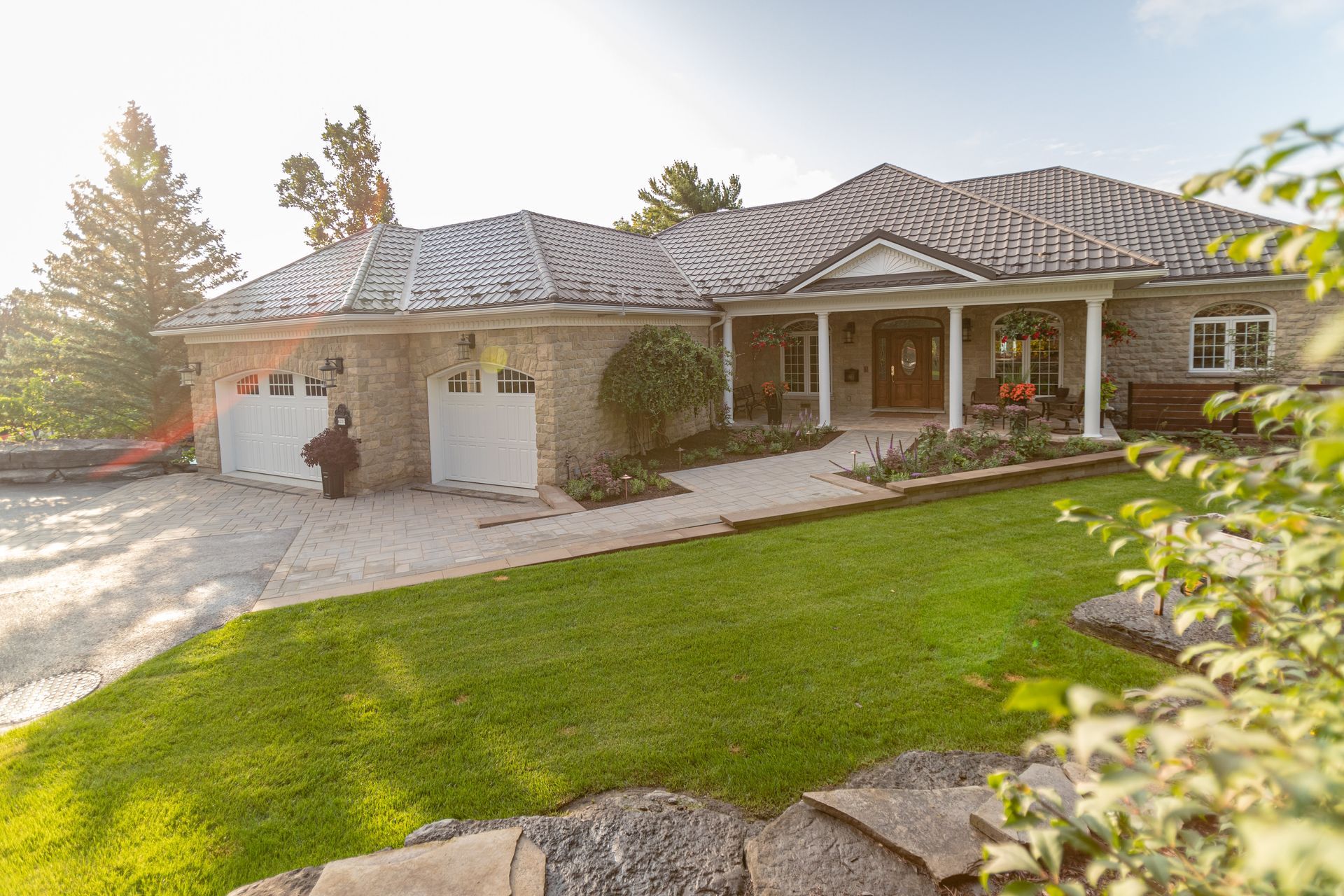
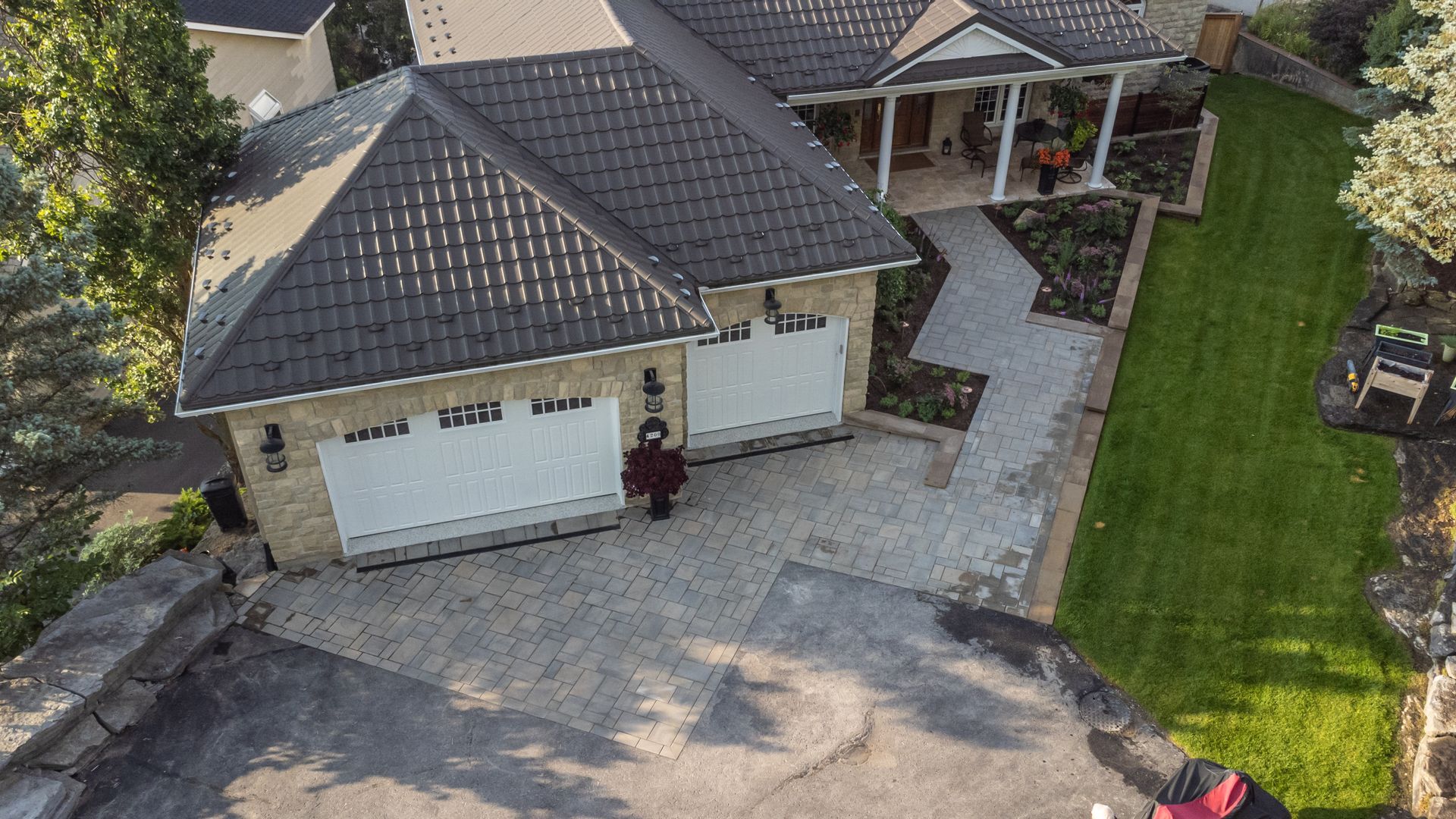
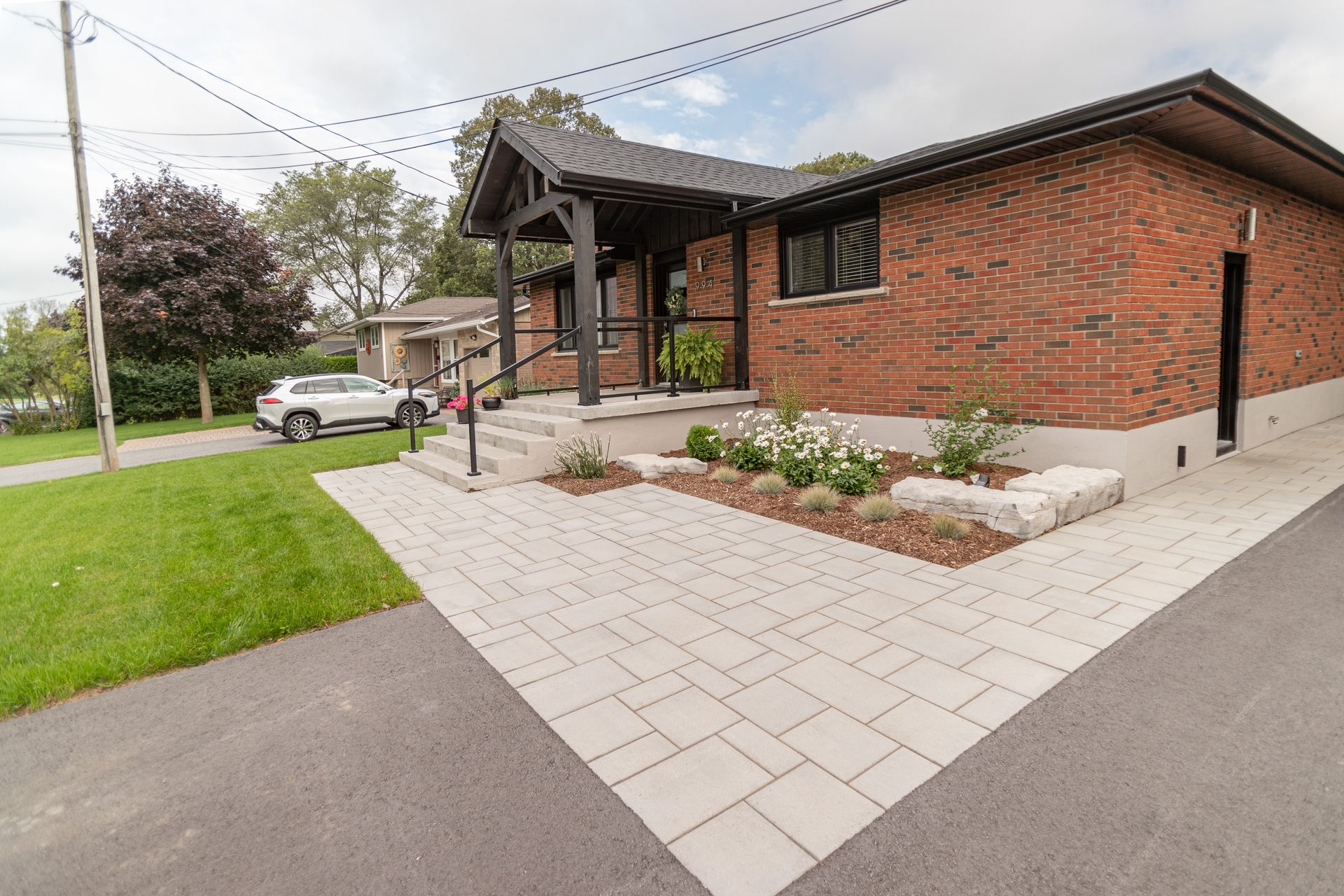
Patio and walkway pricing is influenced by size, base preparation, material selection, and layout. Projects designed for long-term durability and frequent use reflect the principles behind well-designed outdoor living spaces, where proper installation protects the investment over time.
Retaining Walls
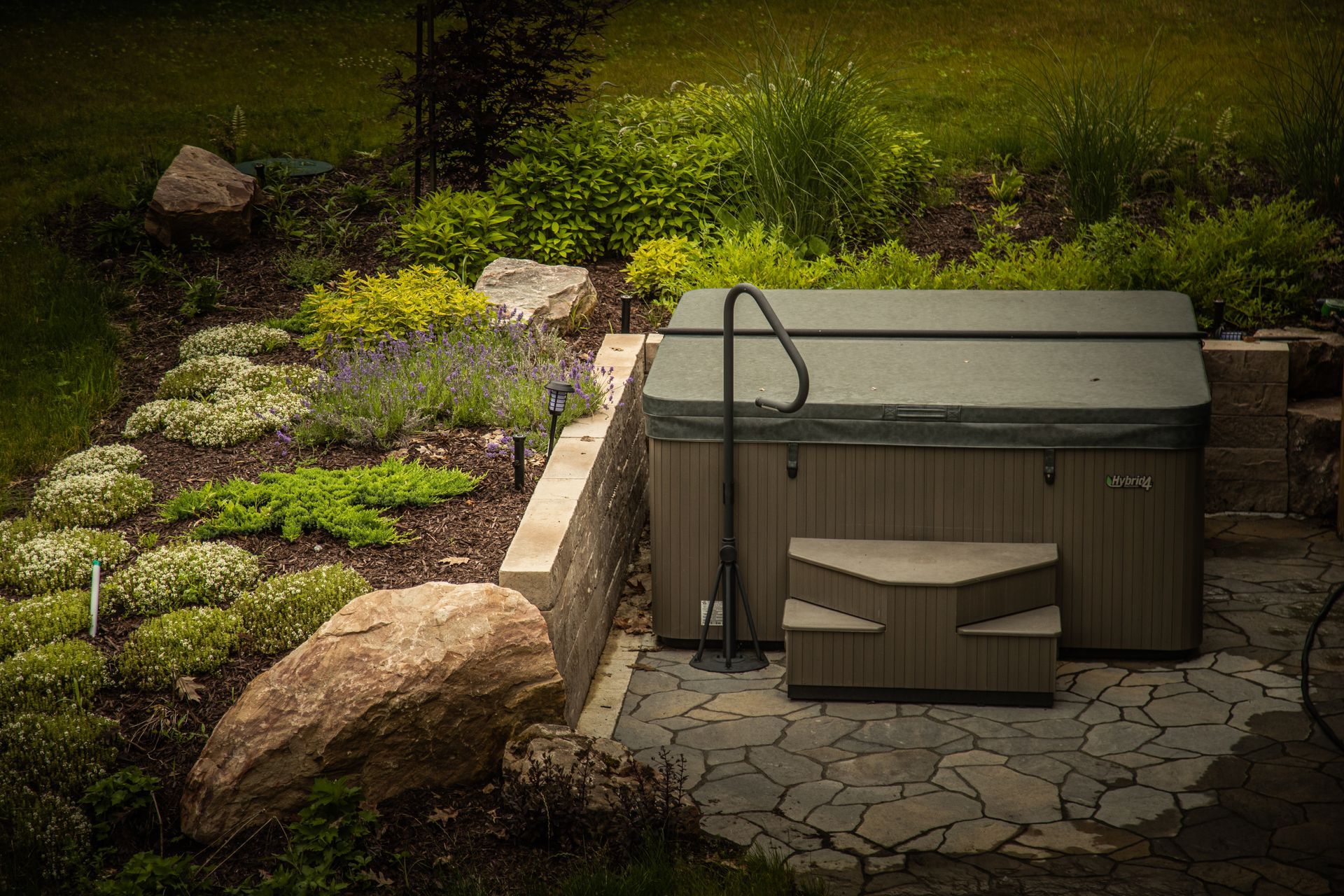
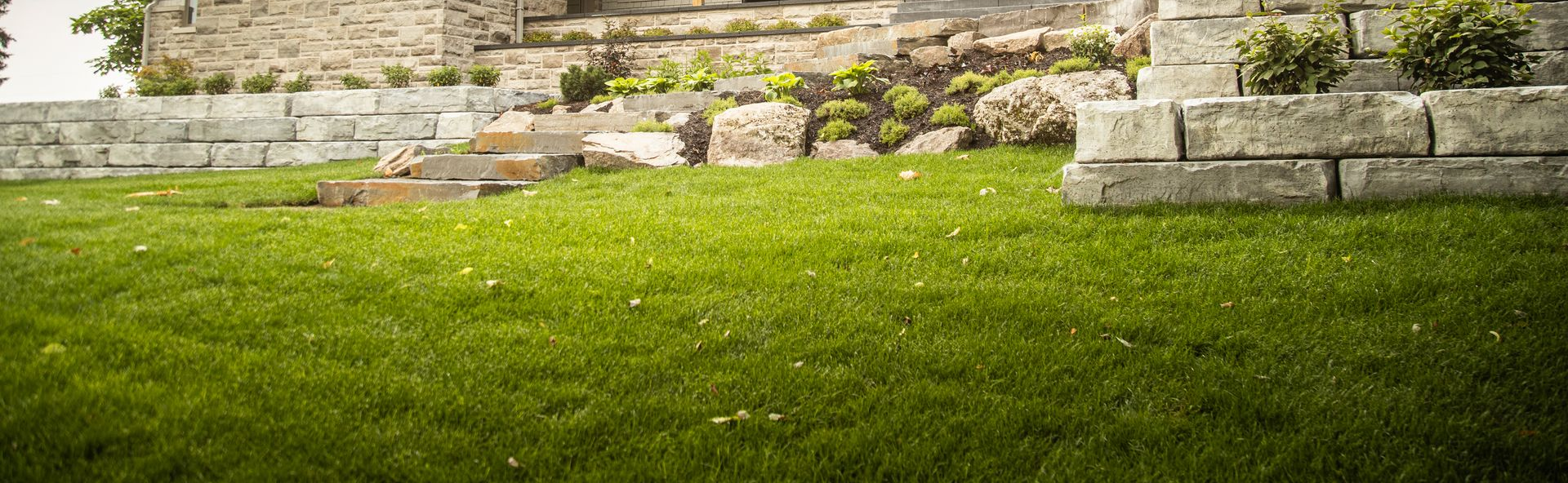
Retaining wall costs vary based on height, length, material choice, drainage requirements, and structural demands. Walls built to manage elevation changes or support soil loads require additional preparation and expertise, particularly on properties with slopes or grade changes.
Softscaping and Planting
Planting costs depend on plant size, quantity, soil preparation, and timing. Larger trees and mature shrubs carry higher upfront costs but provide immediate impact, while smaller plants grow in over time.
Landscape Lighting
Lighting costs are influenced by fixture selection, placement, wiring, and integration with existing features. Thoughtful lighting improves safety and extends the use of outdoor spaces after dark, adding functional value to the landscape.
Why Professional Landscaping Costs More Than DIY
While DIY landscaping may appear more affordable initially, professional installation often delivers better long-term value. Experienced crews understand how to manage grading, drainage, and material installation to prevent common issues such as shifting, pooling water, or premature failure.
Landscaping projects that prioritize proper preparation and professional installation often contribute to long-term property value, a principle reflected in guidance from the Ontario One Realty on home improvements and ongoing property maintenance.
Professional landscaping also ensures that different elements work together as a cohesive system. This approach mirrors the standards applied in durable hardscape construction, where performance and longevity are just as important as appearance.
How to Budget for a Landscaping Project
A realistic landscaping budget considers both immediate costs and long-term performance.
Helpful planning considerations include:
- Prioritizing foundational work such as excavation and drainage
- Selecting materials based on lifespan, not just initial price
- Phasing larger projects over time if needed
- Allowing flexibility for site-specific adjustments once work begins
Clear planning early in the process helps avoid unexpected costs and delays.
Planning for Long-Term Value
Landscaping is an investment in a property’s usability, durability, and overall appeal. Well-executed projects reduce maintenance needs, manage water effectively, and improve outdoor living potential.
Site-specific requirements such as lot grading and drainage can influence both design and cost, especially when changes affect how water flows across the property. Many Ontario municipalities outline homeowner responsibilities around maintaining grading and avoiding disruption to drainage patterns, including the City of Hamilton’s guidance on lot grading and drainage. Factoring these considerations into planning helps prevent avoidable issues like pooling water, erosion, and shifting materials.
Understanding landscaping costs starts with understanding what goes into the work. Site conditions, materials, design complexity, and professional installation all contribute to the final price. When these elements are considered together, homeowners are better equipped to make decisions that align with both their budget and long-term goals.
For those considering a landscaping project, Mark of Excellence Landscaping can help assess site conditions, outline realistic cost expectations, and recommend solutions that balance design, durability, and value.