Walkways and Pathways: Designing Safe, Durable Access Through Your Landscape
Walkways play a critical role in how outdoor spaces function. They guide movement, improve safety, and influence how a property is experienced day to day. When designed properly, pathways support long-term durability while blending seamlessly into the surrounding landscape.
A well-planned walkway accounts for traffic patterns, grade changes, drainage, and seasonal conditions, ensuring it remains stable and usable year after year.
Why Walkway Design Matters
A walkway must remain stable and safe through years of variable weather. Inadequate base preparation, improper slope, or inappropriate materials can lead to shifting surfaces, cracking, or uneven transitions.
Thoughtful walkway design helps:
- Minimize trip hazards
- Support smooth movement across the yard
- Improve runoff away from footpaths
- Protect nearby landscaping elements
Guidance from the
City of Kingston Good Neighbour Guide notes that lot grading plans prepared by qualified professionals — including drainage — are required when construction or landscaping alters the shape of the land. This helps ensure water does not pond near structures or impact neighbouring yards.
Material Selection and Long-Term Performance
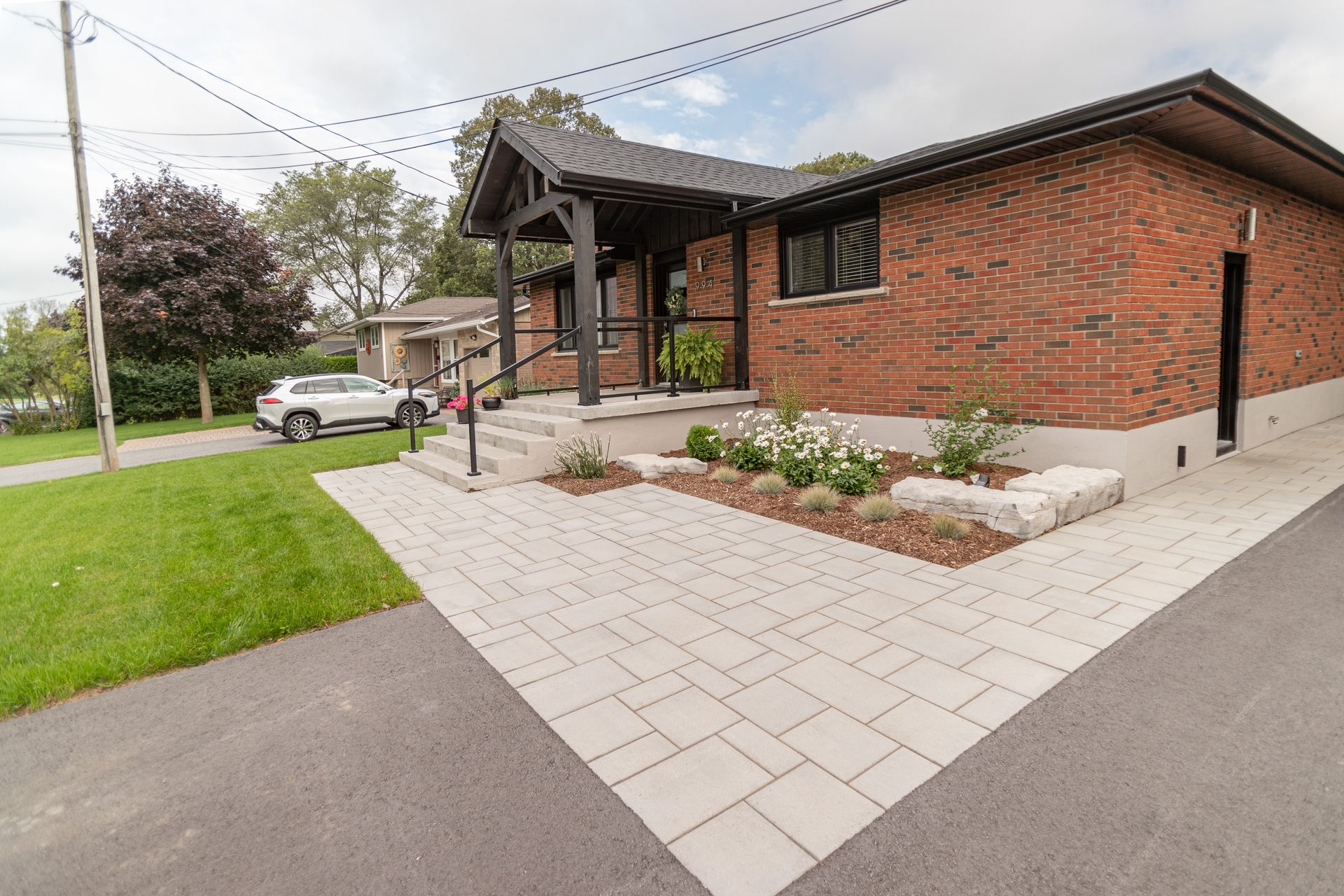
Material choice directly impacts how a walkway performs. Walkway surfaces should handle exposure to moisture, seasonal temperature changes, and regular foot traffic without degrading prematurely.
Durable walkway materials can:
- Provide adequate traction in wet or icy conditions
- Resist cracking from freeze-thaw cycles
- Sit on a properly prepared base to limit movement
Walkways often connect patios, steps, and other hardscape features, making consistent material planning essential. These considerations align with the installation principles described in
Hardscaping in Kingston: Patios, Walkways, and Walls Built to Last.
Grading and Drainage Along Walkways
Managing water around walking surfaces is essential. Even small amounts of pooling can create hazards in winter and accelerate surface wear over time. In residential landscapes, drainage features such as swales, subsurface piping, and gravel channels are often used to manage runoff along walkways and prevent water from undermining the base, which aligns with common yard drainage solutions used to protect paved surfaces and surrounding soil.
Proper ground slope directs water away from paving surfaces and prevents moisture from saturating the base beneath them. In residential settings, grading and drainage work together to move water safely off the property and into appropriate outlets. According to the City of Waterloo’s guidance on maintaining good drainage, positive grading helps protect homes and landscapes by directing runoff away from foundations and toward safe drainage routes on the property.
These considerations align with broader site preparation practices discussed in Drainage and Grading in Landscaping: Why It Matters More Than You Think, where slope and moisture management govern how outdoor spaces perform through rain and snowmelt.
Accessibility and Smooth Transitions
Walkways should support comfortable movement for a wide range of people. Flat or gently sloped surfaces, consistent widths, and transitions that don’t interrupt footpaths improve safety and usability without detracting from the overall design.
Accessibility considerations include:
- Gentle elevation changes
- Consistent surface textures
- Sufficient path width for ease of movement
These concepts connect with inclusive outdoor design principles highlighted in Accessibility in the Landscape: 5 Tips for Everyone to Feel Welcome, where clear movement routes and safe transitions are central.
Integrating Walkways Into the Overall Landscape
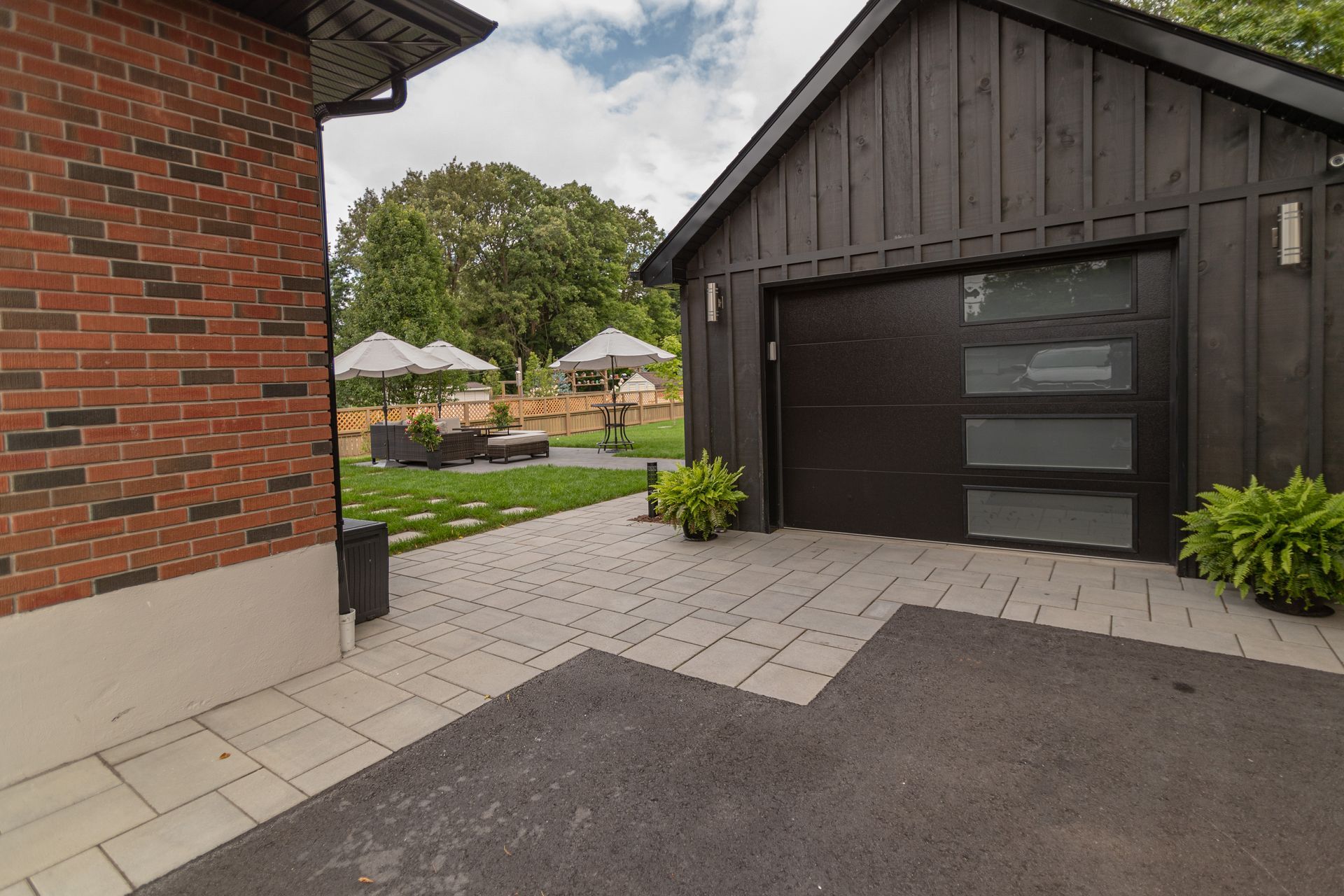
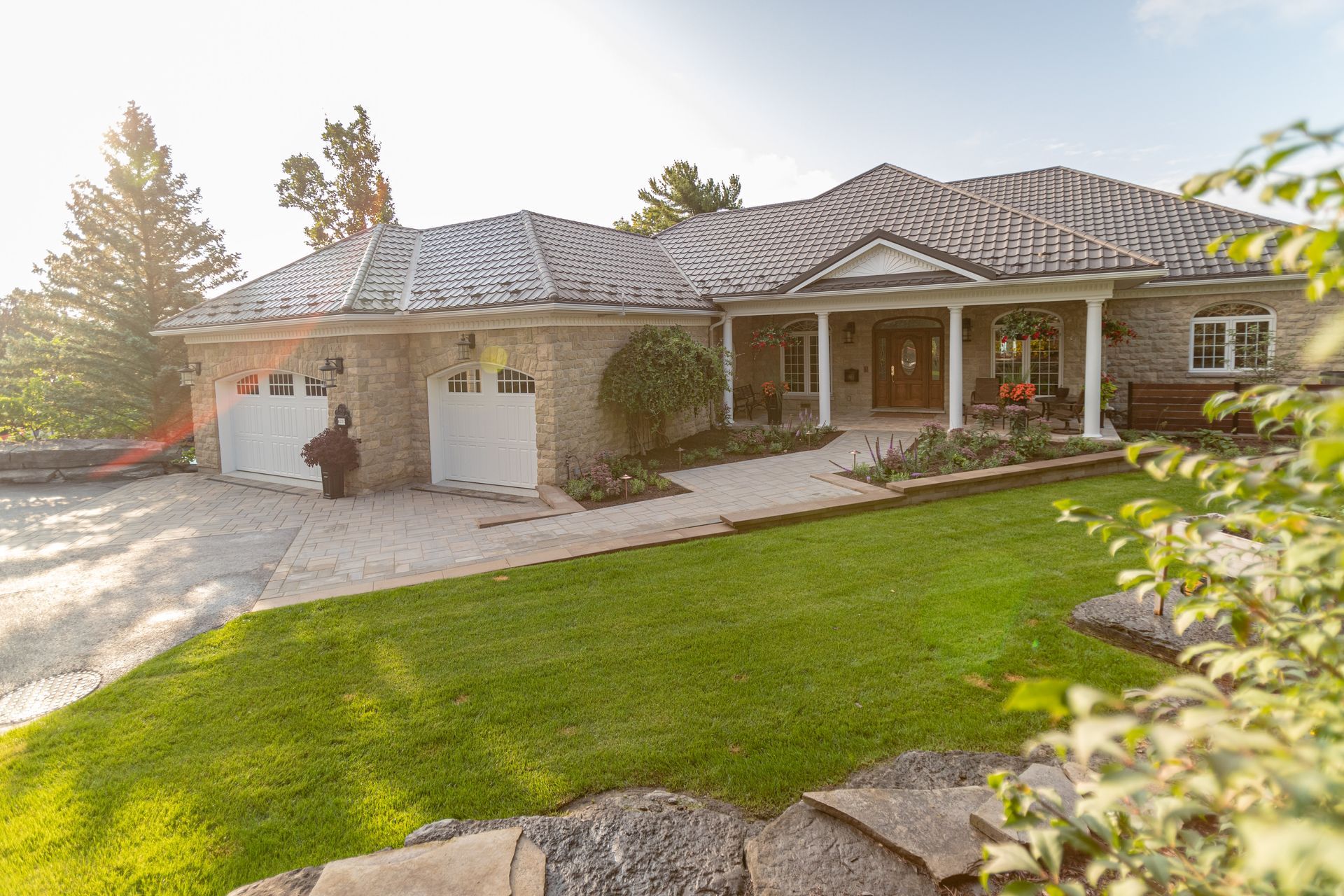
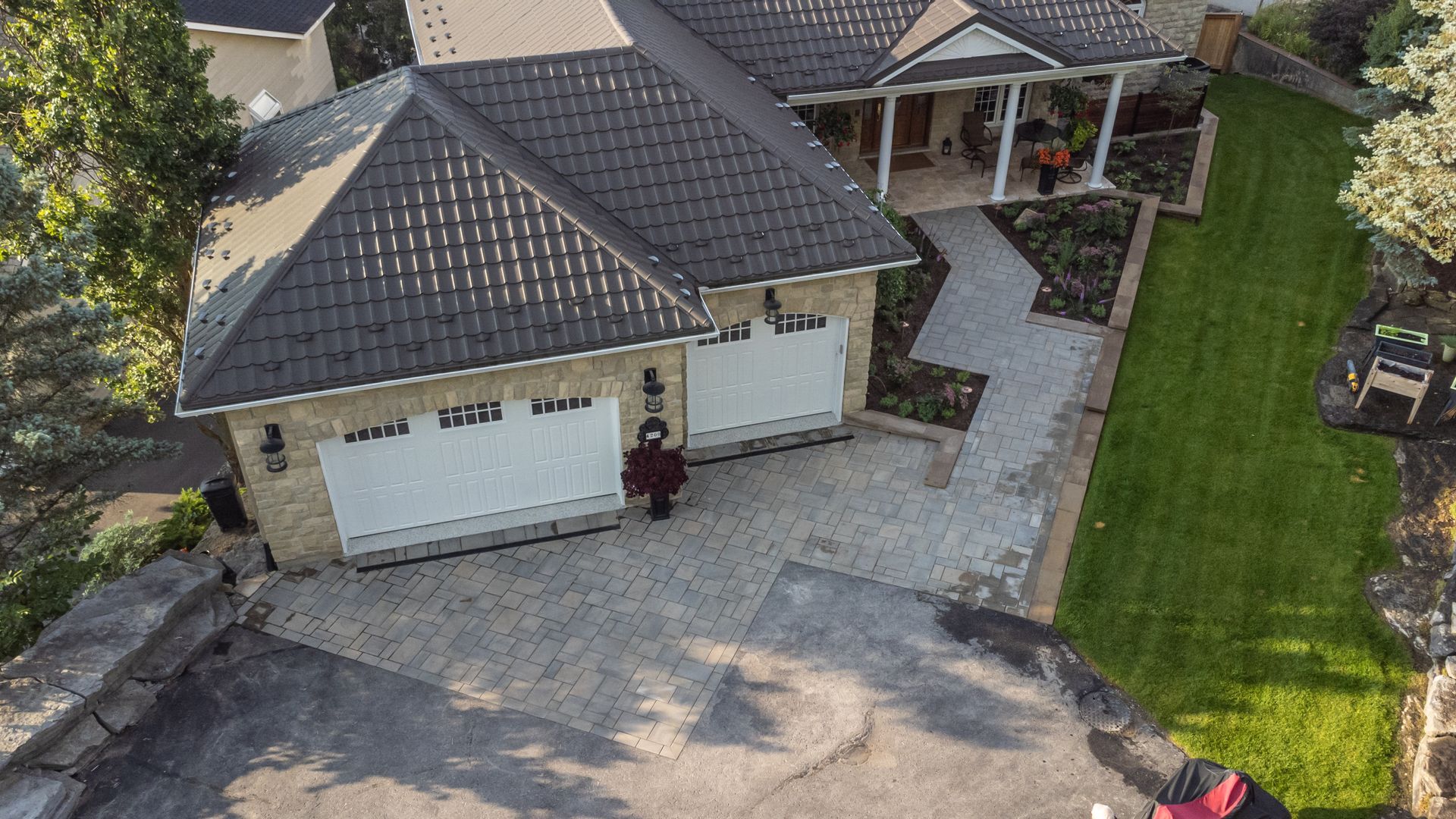
A walkway should feel like a connected part of the yard rather than an add-on. Thoughtful alignment, spacing, and transitions into patios, steps, or garden areas help establish a cohesive flow across the property.
Successful integration considers:
- Natural movement patterns across the terrain
- Visual connection to hardscape and softscape features
- Long-term maintenance and durability
Proper groundwork supports walkways from the base up. Soil preparation, compaction control, and slope shaping are foundational for stability, which reinforces the importance of proper site prep as described in Excavation: The Foundation of Every Successful Landscape Project.
Walkways and pathways greatly influence how outdoor spaces are used, experienced, and maintained. When designed with durable materials, correct grading, and smooth transitions in mind, they improve safety, enhance usability, and support the overall performance of the landscape.
For homeowners planning a landscaping project, investing in a well-designed walkway helps ensure outdoor spaces remain functional, stable, and visually cohesive over time. Mark of Excellence Landscaping can help assess site conditions, recommend appropriate materials, and install walkways that balance durability and design.