Lawn Alternatives: Creating a Low-Maintenance, Functional Yard
Traditional turf lawns can look neat, but they also demand constant care - frequent mowing, heavy watering, and regular fertilizing. For many homeowners, reducing lawn area in favour of more sustainable landscape elements saves time, reduces costs, and enhances both function and ecological value.
Lawn alternatives can transform underused turf into purposeful outdoor space while supporting biodiversity and reducing water use.
Why Homeowners Are Choosing Lawn Alternatives
A large lawn isn’t the only way to define outdoor space. Alternatives like native groundcovers, mixed planting beds, and ornamental grasses can provide visual interest year-round without the constant upkeep of turf grass.
Native groundcovers are designed for local growing conditions and can fill in large areas with texture and resilience. They require less watering and mowing than a traditional lawn and help suppress weeds once established. The City of Guelph lists several attractive groundcover options suited to Ontario climates that thrive in sun or part shade and reduce maintenance demands.
Groundcovers also offer benefits beyond aesthetics. Dense planting can reduce soil compaction, improve habitat for pollinators, and help manage surface water by encouraging infiltration instead of runoff.
Low-Maintenance Planting Options
When converting a traditional lawn, consider planting areas that reflect how the space is used. Some popular low-maintenance options include:
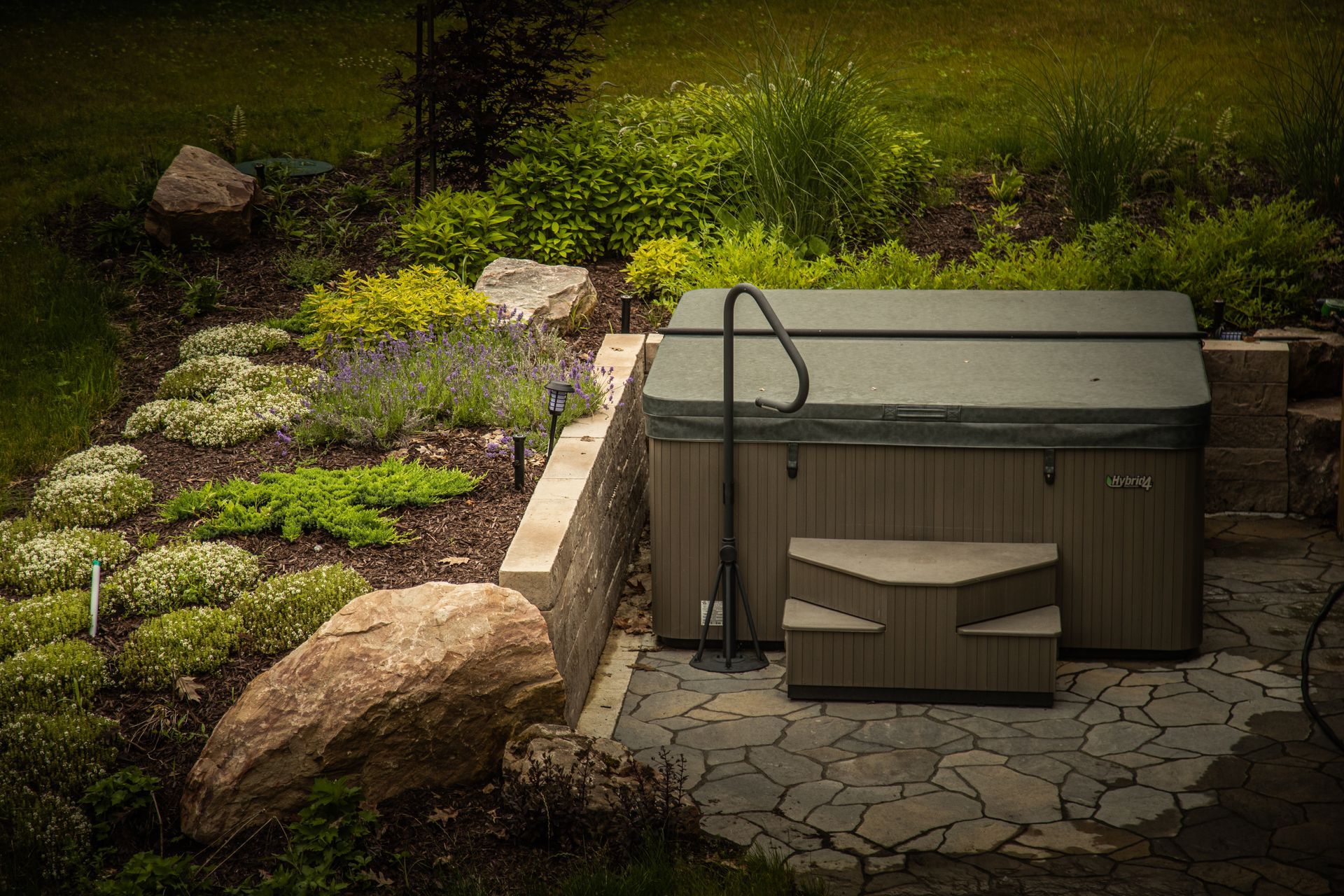
- Native groundcovers: Species like bearberry, chamomile, and sea thrift form attractive, low beds that spread over soil with minimal care.
- Pollinator-friendly beds: Clusters of perennial flowers and grasses can replace turf while providing habitat for bees and butterflies.
- Mixed ornamental grasses: Drought-tolerant grasses add texture and reduce frequent watering needs.
- Mulched garden zones: Mulch suppresses weeds and retains moisture, reducing time spent on weed control.
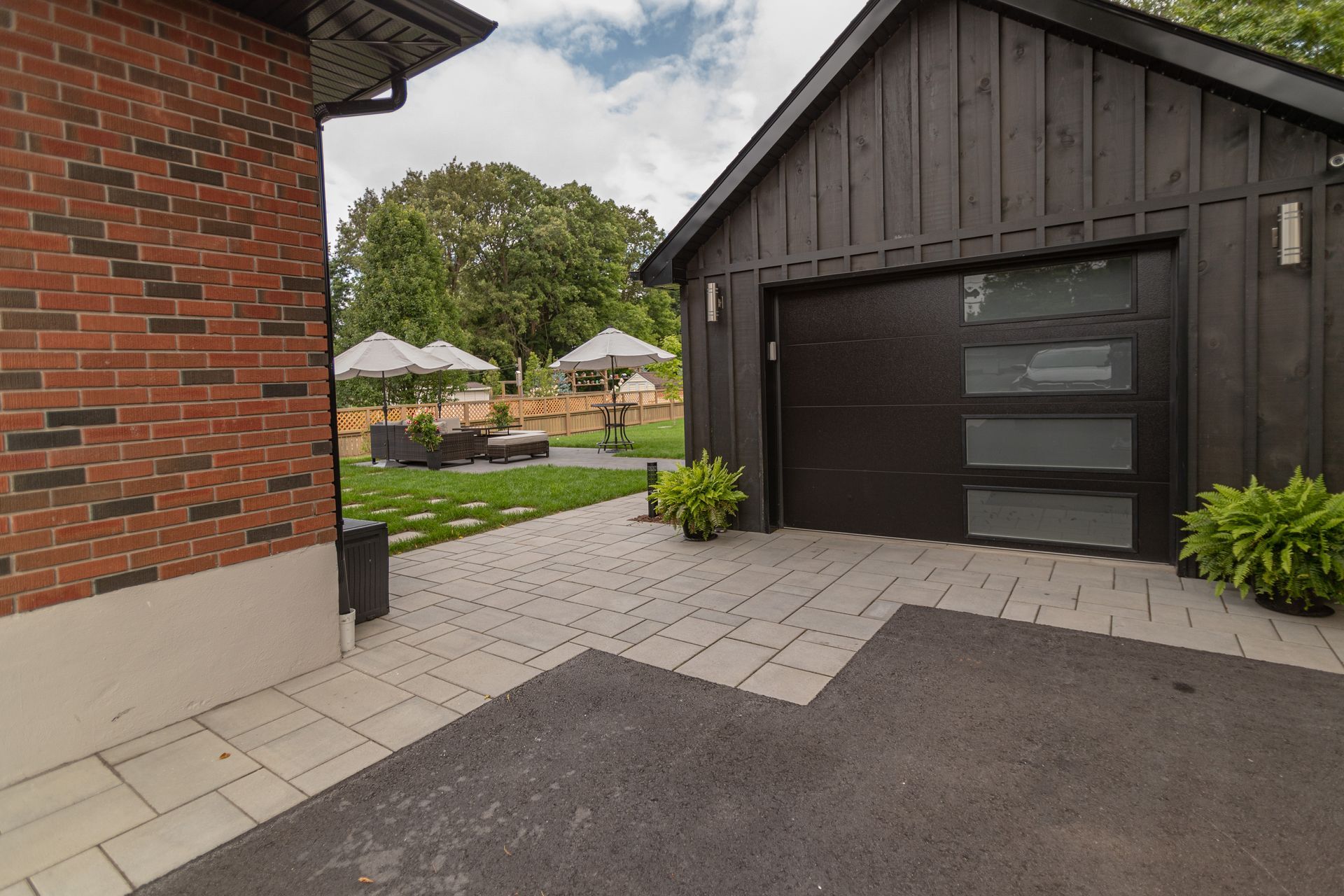
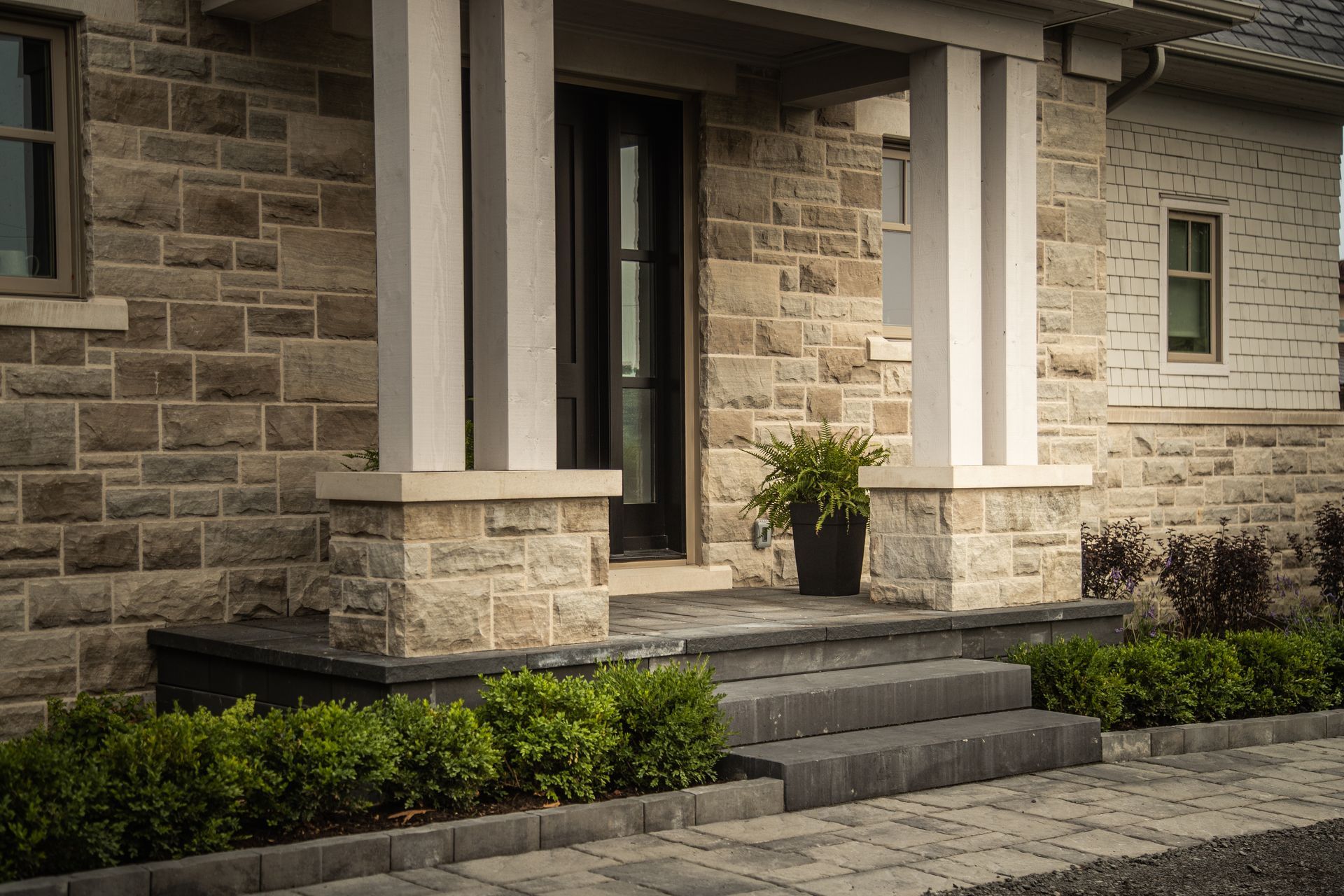
These reduced-lawn planting zones can integrate with other design elements such as patios, pathways, and lighting to support outdoor activity year-round. Thoughtful material choices and planning align with principles found in
Hardscaping in Kingston: Patios, Walkways, and Walls Built to Last, where intentional surface selection enhances performance and cohesion across spaces.
Step-by-Step Lawn Conversion Strategies
Transforming grass into functional landscape requires planning and site preparation. Experts in municipal programs often recommend starting with soil and water considerations:
- Use sheet mulch or natural barriers to suppress existing turf.
- Improve soil with compost before planting.
- Introduce plantings in sections to manage impact and maintain outdoor use.
The City of Guelph’s guidance on replacing grass with new garden areas outlines practical steps for converting turf into planting beds, including trenching the grass edge, adding compost and mulch, and choosing appropriate species for light and soil conditions.
It’s also important to evaluate site conditions — sun exposure, soil type, slope, and water patterns all influence which alternatives will thrive.
Reducing Water Use and Supporting Sustainability
Reducing lawn area often leads to decreased irrigation needs. In many municipalities, watering restrictions aim to protect local water supplies. Incorporating lawn alternatives helps homeowners stay in compliance with water stewardship goals and create landscapes that align with broader environmental priorities.
Using rain capture systems, mulching, and drought-tolerant plantings also contributes to smarter water use. Collecting rainwater in barrels or cisterns can support planting zones while reducing demand on municipal supply. The City of Guelph offers guidance on using rain barrels to conserve water and protect local waterways.
Blending Lawn Alternatives With Hardscape and Softscape
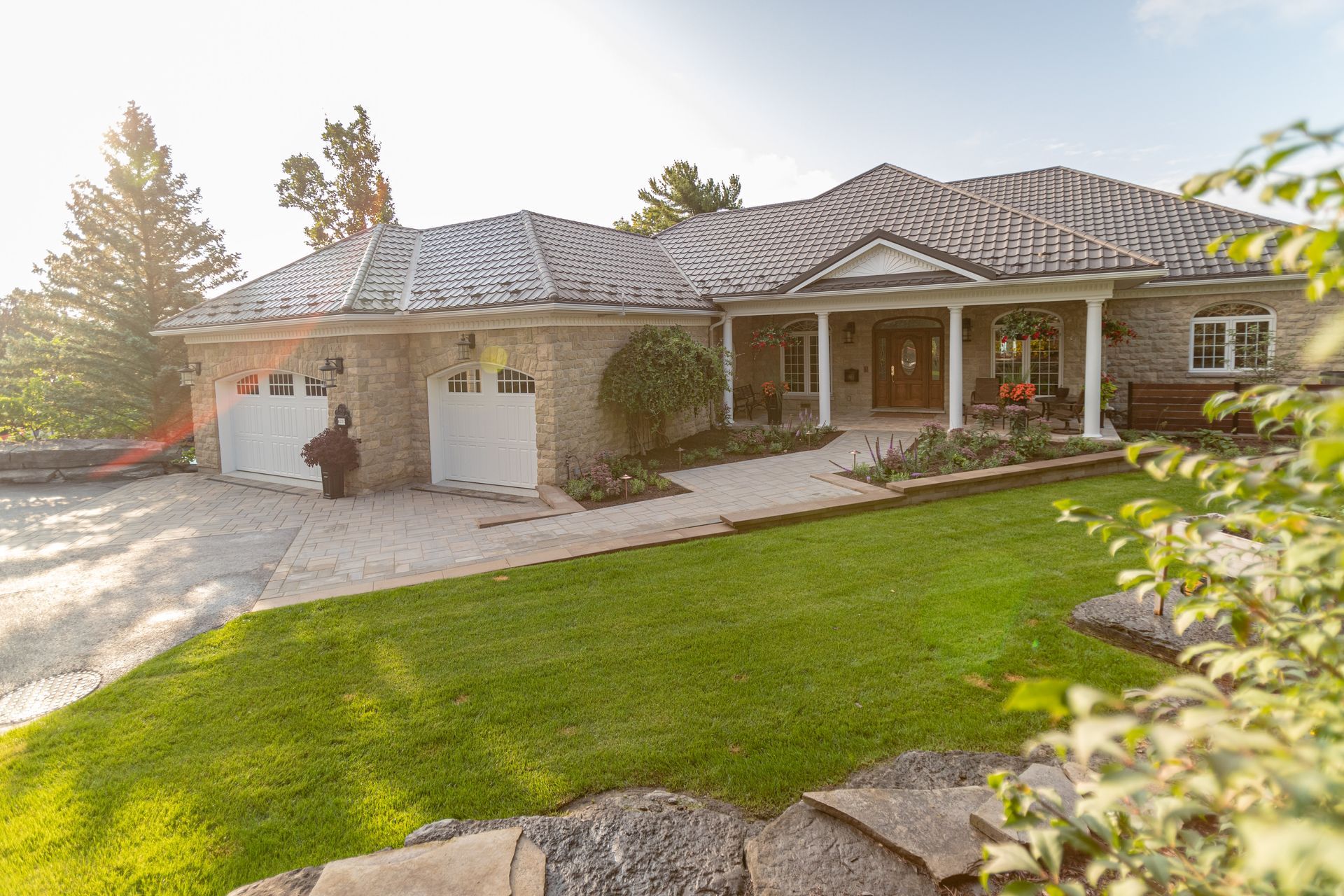
Replacing turf doesn’t mean losing functional space. Many homeowners transition lawn edges into mixed beds that lead into patios, walkways, and seating areas. These shifts not only reduce maintenance but also help define outdoor “rooms” that feel intentional and coherent.
For instance, planting beds can border hardscaped patios to create softer transitions and invite biodiversity, a strategy similar to those seen in Softscaping Essentials: Plants, Beds, Soil, Edging, and Maintenance. Thoughtful integration ensures the landscape performs both aesthetically and functionally.
Choosing a lawn alternative is a way to make outdoor spaces more purposeful and lower maintenance while contributing to environmental health. By aligning plant choices with site conditions and design goals, homeowners can enjoy engaging landscapes that reflect their lifestyle and local climate.