Retaining Wall Bricks vs Blocks: Choosing the Right Material for Your Landscape
When planning a retaining wall, material selection plays a major role in how the wall performs, looks, and holds up over time. Two of the most common options homeowners consider are brick and concrete retaining wall block. While the terms are often used interchangeably, they serve very different purposes and perform differently depending on the conditions of the site.
Understanding the difference between retaining wall bricks and retaining wall blocks helps ensure the finished wall is both structurally sound and visually aligned with the surrounding landscape.
What People Mean by “Retaining Wall Bricks”
In many residential landscapes, the term retaining wall brick typically refers to traditional masonry brick or brick-style units used for decorative garden walls, planters, or low landscape borders. These materials are often chosen for their classic appearance and ability to match existing brick features on a home.
Brick can be a good option for:
- Low garden walls
- Raised planting beds
- Decorative borders
- Areas without significant soil pressure
However, standard brick is not engineered to withstand the lateral pressure created by soil and moisture. Without reinforcement, brick walls are more susceptible to cracking or shifting, particularly in climates with freeze–thaw cycles.
What Retaining Wall Blocks Are Designed For
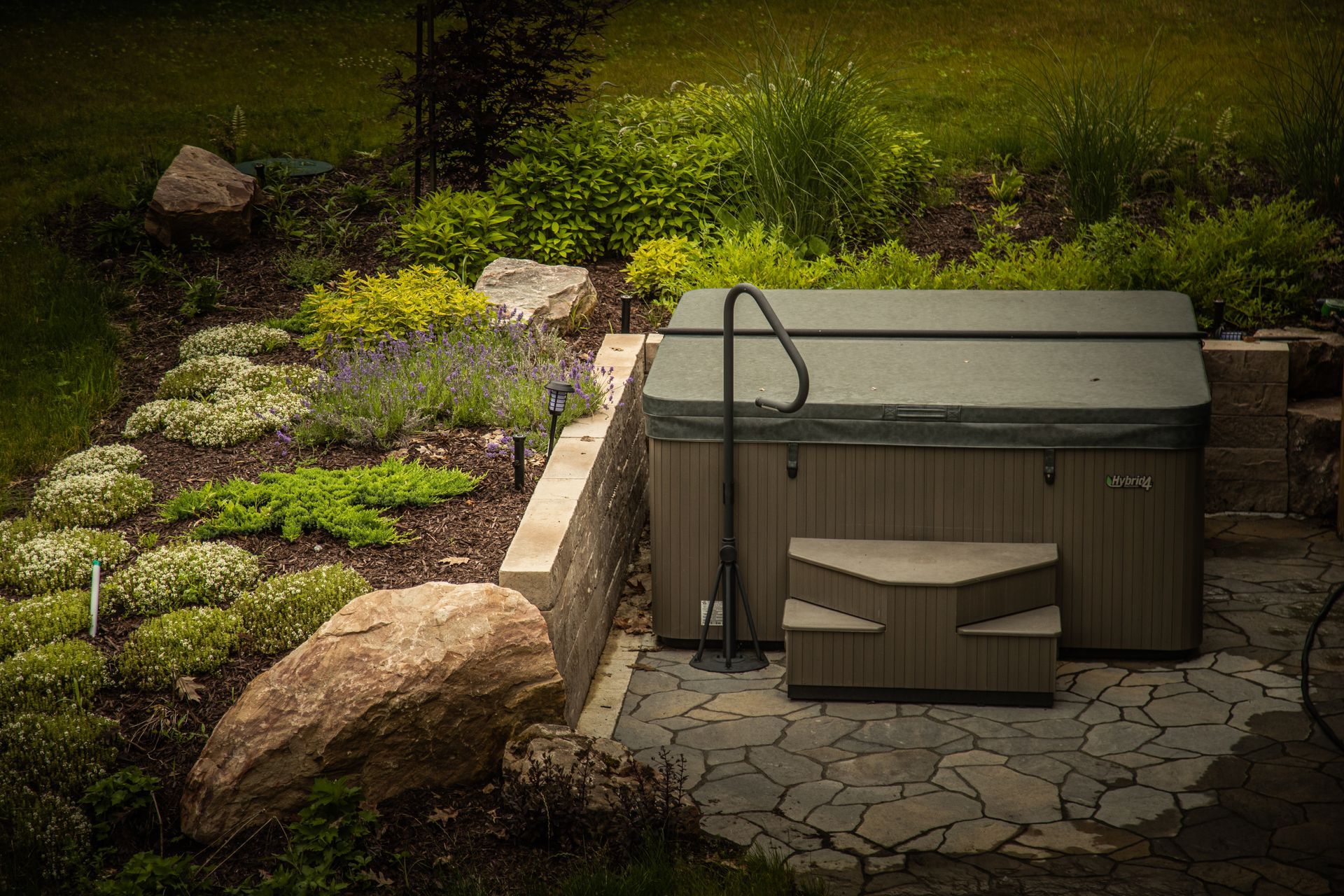
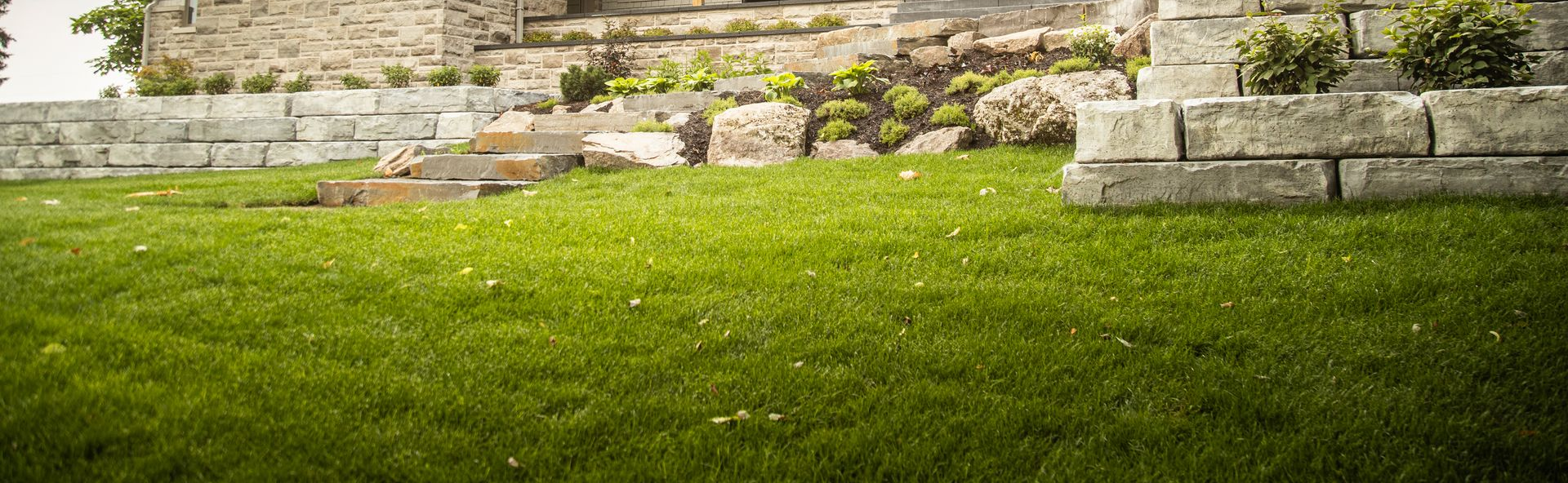
Retaining wall blocks are engineered specifically for structural use. These segmental concrete blocks are manufactured to interlock and distribute pressure evenly, making them suitable for walls that need to hold back soil and manage drainage.
Block systems are commonly used for:
- Structural retaining walls
- Sloped or uneven properties
- Terraced landscapes
- Load-bearing applications
Because these systems are designed with drainage and stability in mind, they are widely used in professionally built retaining walls. Their performance aligns with the same structural principles applied in durable
hardscape construction, where longevity and safety are prioritized.
Key Differences Between Bricks and Retaining Wall Blocks
While both materials can be visually appealing, their functional differences are significant.
Structural Performance
Concrete retaining wall blocks are engineered to resist soil pressure. Their interlocking design and compatibility with drainage systems make them suitable for taller or load-bearing walls. Brick, on the other hand, is best reserved for non-structural applications.
Drainage Compatibility
Proper drainage is essential for any retaining wall. Block systems are designed to work with drainage stone and perforated drain tile, reducing water buildup behind the wall. This compatibility is critical for long-term stability and aligns with the importance of proper site preparation discussed in professional excavation and grading work.
Height Limitations
Brick walls are generally limited to lower heights unless reinforced with additional structural support. Retaining wall blocks are commonly used for taller walls and terraced designs where soil pressure increases with height.
Maintenance and Longevity
Brick walls may require more frequent maintenance, including repointing mortar joints over time. Concrete retaining wall blocks are designed to withstand weather exposure with minimal upkeep.
Performance in Canadian Climate Conditions
Canadian landscapes experience significant seasonal variation, including freeze–thaw cycles, heavy rainfall, and snow accumulation. These conditions place added stress on retaining walls.
Concrete retaining wall blocks perform well under these conditions because they are designed to manage moisture and movement. Brick walls, especially those without proper reinforcement or drainage, are more vulnerable to cracking and shifting as temperatures fluctuate.
Natural Resources Canada highlights how moisture management and material durability play a role in outdoor construction longevity. Selecting a material that accommodates these conditions reduces the risk of premature failure.
Where Each Material Works Best
Best Uses for Brick
- Decorative garden walls
- Raised planting beds
- Low retaining features with minimal soil pressure
- Areas where matching existing brickwork is a priority
Best Uses for Retaining Wall Blocks
- Structural retaining walls
- Sloped or uneven yards
- Multi-level landscapes
- Walls requiring integrated drainage
On properties with elevation changes, block systems are often the safer and more reliable choice. This is especially true in situations similar to those addressed in retaining walls built for sloped yards, where structural performance is critical.
Design Considerations Beyond Structure
Material choice also influences the overall look of the landscape. Retaining wall blocks are available in a range of textures, colours, and finishes, allowing them to complement patios, walkways, and stone features. Brick offers a traditional aesthetic that works well in formal gardens or alongside classic architecture.
When selecting materials, it’s important to consider how the wall will integrate with surrounding hardscape and softscape elements. A cohesive design ensures the wall feels like a natural extension of the landscape rather than a standalone feature.
Landscape Ontario provides guidance on material selection and best practices for landscape construction in Ontario.
Building Code and Installation Standards
Retaining walls may be subject to local building codes depending on height and location.
CSA Group outlines standards related to construction materials and outdoor installations that help ensure safety and durability.
Professional installation ensures the wall meets structural requirements, incorporates proper drainage, and performs as intended over time.
Choosing between retaining wall bricks and blocks comes down to understanding the purpose of the wall, the conditions of the site, and the level of structural support required. While brick can be effective for decorative and low-impact applications, concrete retaining wall blocks are designed to handle the demands of soil pressure, drainage, and long-term performance.
For homeowners planning a new retaining wall or replacing an existing one, careful material selection is essential.
Mark of Excellence Landscaping can help evaluate site conditions, recommend appropriate materials, and ensure the finished wall is built for both durability and visual appeal.