Retaining Walls: It's Not Always the Wall That Fails
A leaning retaining wall or widening crack is easy to spot, but the visible damage is often only part of the story. In many cases, the wall isn't the real problem—it's simply revealing issues happening beneath or behind the surface.
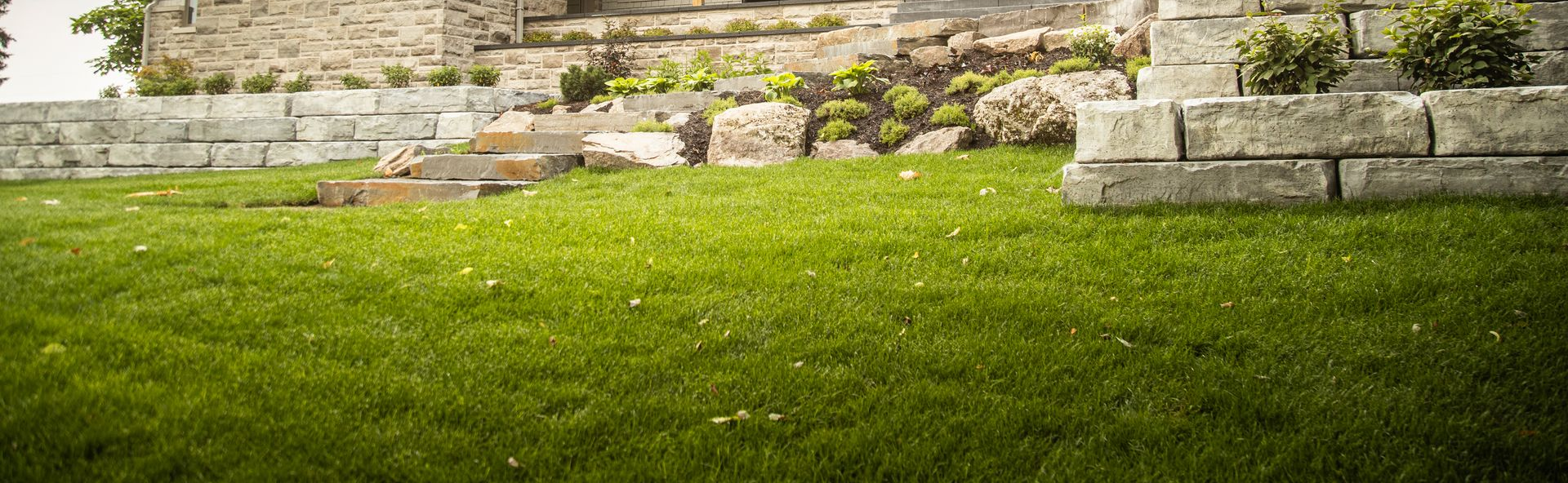
Retaining walls are engineered to hold back soil, manage changes in elevation, and create usable outdoor spaces. When they're designed and built properly, they can provide decades of reliable performance. However, when water, soil movement, or poor site preparation aren't addressed, even a well-built wall can begin to show signs of stress.
Understanding what causes retaining walls to fail helps homeowners make informed decisions, protect their investment, and avoid repairs that only treat the symptoms instead of the underlying issue.
Water Is Often the Biggest Culprit
One of the most common causes of retaining wall problems isn't the wall itself—it's water.
As rain and melting snow move through the landscape, water naturally collects behind retaining walls. Without proper drainage, hydrostatic pressure builds against the structure, creating forces it was never intended to withstand. Over time, that pressure can cause walls to lean, crack, bow, or shift.
The Government of Ontario explains that managing erosion and surface water plays an important role in protecting slopes and maintaining long-term stability.
Proper drainage systems, including granular backfill and drainage pipe where appropriate, help move water away from the wall instead of allowing pressure to build behind it.
A Strong Foundation Starts Below Ground
Retaining walls don't succeed because of the blocks you see—they succeed because of everything underneath them.
A properly prepared base distributes weight evenly and helps prevent settling over time. If the foundation wasn't adequately excavated or compacted during construction, the wall may begin to move long before the materials themselves have reached the end of their lifespan.
Professional retaining wall installation focuses on much more than appearance. Proper site preparation, excavation, drainage, and base construction all contribute to a wall's long-term performance.
While homeowners often notice movement in the wall itself, the real issue may have started below grade years earlier.
Soil Conditions Can Change Over Time
The ground beneath a retaining wall is constantly responding to weather and environmental conditions.
Heavy rainfall can saturate soil, dry periods can cause shrinkage, and Ontario's freeze-thaw cycles create repeated expansion and contraction throughout the year. Over time, these natural processes place additional stress on retaining walls, particularly when drainage or construction methods weren't designed to accommodate changing conditions.
Canadian Home Inspection Services notes that proper drainage behind retaining walls is one of the most important factors in preventing premature movement and structural problems.
Even well-built retaining walls require the surrounding landscape to manage water effectively if they're expected to perform for decades.
Trees Can Help, or Create Challenges
Mature trees add beauty, privacy, and shade to a landscape, but they also influence what's happening underground.
Root systems can extend well beyond the trunk, interacting with soil around retaining walls over many years. While healthy vegetation often helps stabilize slopes and reduce erosion, improperly placed trees or aggressive root growth can contribute to shifting soil conditions depending on the site.
Forests Ontario encourages homeowners to consider planting the right tree in the right place, recognizing how tree selection affects surrounding landscapes over time.
This is one reason retaining walls should never be planned in isolation. Existing trees, future planting plans, grading, and drainage all influence how the landscape performs as a complete system.
Good Design Prevents Problems Before Construction Begins
Every property is different.
Changes in elevation, soil conditions, drainage patterns, and existing landscape features all influence how a retaining wall should be designed. Taking the time to evaluate these factors before construction begins allows potential issues to be addressed long before the first block is installed.
Professional landscape design services consider the property as a whole, ensuring retaining walls work together with surrounding patios, gardens, drainage systems, and planting areas instead of functioning as standalone features.
A thoughtful design doesn't just improve appearance- it creates outdoor spaces that are more durable, functional, and easier to maintain.
Solving the Cause Instead of the Symptom
When a retaining wall begins to lean or crack, replacing the wall isn't always the first—or only—solution.
The underlying cause may involve drainage, unstable soil, inadequate site preparation, or changing conditions throughout the surrounding landscape. Identifying and correcting those issues helps ensure repairs provide lasting results instead of repeating the same problems a few years later.
Understanding why some landscaping projects last for decades also highlights how planning, preparation, and construction quality work together to create landscapes that stand the test of time.
Retaining walls are an investment in both the appearance and functionality of a property. Looking beyond the visible damage and addressing the conditions around the wall is often the key to protecting that investment for years to come.